
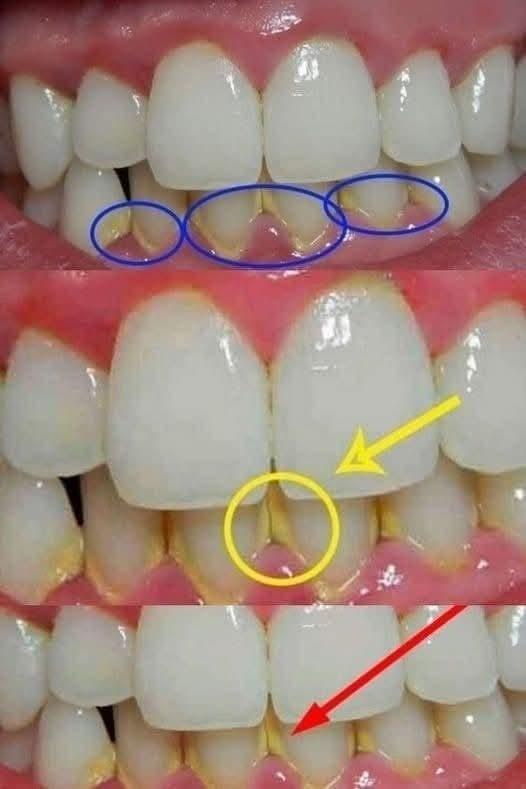
How to Remove Dental Plaque Naturally at Home
Understanding What Dental Plaque Really Is
Dental plaque is a soft, sticky layer that naturally forms on the surface of teeth throughout the day. It develops when bacteria, food particles, sugars, and acids combine inside the mouth.
At first, plaque may seem harmless because it is usually invisible. However, when it is not removed properly, it begins to harden and can eventually turn into tartar, which is much more difficult to eliminate.
This buildup can affect both the appearance and health of teeth. Over time, plaque accumulation may contribute to bad breath, tooth sensitivity, gum irritation, and discoloration.
Regular brushing and flossing are considered the first line of defense against plaque formation. Maintaining a consistent oral hygiene routine helps prevent deposits from becoming more resistant.
Why Plaque Becomes a Problem
The mouth naturally contains bacteria. When sugary or acidic foods are consumed, those bacteria interact with leftover particles and begin producing acids.
These acids can gradually attack tooth enamel while also encouraging plaque to grow thicker along the gumline and between teeth.
If plaque is not cleaned away regularly, it may harden into tartar. Unlike soft plaque, tartar firmly attaches to the teeth and cannot easily be removed with standard brushing alone.
This is why professional cleanings are commonly recommended every six months to one year. Still, many people look for ways to improve their oral hygiene routine at home and reduce buildup naturally.
The Importance of Daily Brushing
One of the simplest and most effective methods for controlling plaque is proper brushing. Brushing helps remove food residue and bacteria before they have time to harden.
Teeth should be brushed carefully along all surfaces, including the front, back, and chewing areas. The gumline also deserves attention because plaque often collects there first.
Short, gentle motions are generally more effective than aggressive scrubbing. Brushing too hard may irritate the gums and wear down enamel over time.
Consistent brushing habits play a major role in preventing plaque from becoming a more stubborn problem.
Creating an At-Home Dental Cleaning Routine
An at-home dental care routine does not need to be complicated. A few consistent habits can help keep teeth cleaner and reduce buildup between professional appointments.
Brushing at least twice a day is one of the foundations of good oral hygiene. Many people also choose to brush after meals when possible.
Flossing is another important step because it reaches areas that toothbrushes may miss. Food particles and plaque often collect between teeth where bacteria can continue growing unnoticed.
Rinsing the mouth regularly can also help reduce lingering sugars and acids after eating.
Natural Approaches to Reducing Plaque
Some people prefer to include natural cleaning methods as part of their oral hygiene routine. While these methods are not replacements for regular dental care, they may support cleaner teeth when used carefully.
Maintaining a balanced routine is important because overly harsh treatments may damage enamel or irritate sensitive gums.
Natural care methods often focus on reducing bacteria, loosening surface buildup, and supporting fresher breath.
Consistency is usually more important than intensity. Gentle daily habits tend to produce better long-term results than aggressive cleaning attempts.
Why Oral Hygiene Should Never Be Ignored
Ignoring plaque buildup can allow bacteria to continue multiplying inside the mouth. As deposits become thicker, they may create additional pressure on the gums and teeth.
Early plaque is soft and easier to remove. Once tartar develops, cleaning becomes more difficult and may require professional tools.
Good oral hygiene is not only about appearance. Clean teeth and healthy gums are important parts of overall health and comfort.
Daily care routines can help reduce the likelihood of long-term dental problems while also improving confidence and freshness.
How Diet Affects Plaque Formation
Food choices can influence how quickly plaque develops. Sugary snacks and acidic drinks may create an environment where bacteria thrive more easily.
Frequent snacking throughout the day can also increase exposure to acids and sugars, giving plaque more opportunities to form.
Drinking water regularly may help rinse away particles left behind after meals. Water can also help maintain moisture inside the mouth, which supports natural cleansing processes.
A balanced diet combined with proper brushing habits can make a noticeable difference in oral cleanliness.
The Role of Consistency in Dental Care
Many people focus on dental care only when discomfort appears, but prevention is often much easier than correction.
Small daily habits repeated consistently can help limit plaque buildup before it becomes severe. Skipping oral care for several days may allow deposits to strengthen and spread.
Creating a steady routine helps protect teeth over time and makes cleaning easier overall.
Even simple habits practiced regularly can contribute to healthier teeth and gums.
Understanding the Difference Between Plaque and Tartar
Plaque and tartar are closely connected, but they are not the same thing.
Plaque is the soft layer that forms naturally on teeth every day. It can usually be removed through brushing and flossing.
Tartar develops when plaque remains on the teeth long enough to harden. Once this happens, the deposits become much more resistant.
This hardened buildup often appears near the gumline and may create a rough surface where even more plaque can collect.
Protecting Teeth Over the Long Term
Healthy oral care habits are most effective when maintained over time. Occasional cleaning efforts are less useful than steady daily maintenance.
Regular brushing, flossing, and attention to oral hygiene can help preserve both the appearance and condition of teeth.
People who stay consistent with their dental routines often find it easier to manage plaque before it becomes severe.
Preventive care remains one of the most practical ways to support long-term oral health.
Why Professional Cleanings Still Matter
Even with careful at-home care, professional cleanings remain an important part of dental maintenance.
Dental professionals use specialized tools designed to remove hardened tartar that ordinary brushing cannot eliminate completely.
Routine cleanings also help identify buildup in areas that may be difficult to reach during everyday care.
Combining home care with periodic professional attention can help maintain cleaner teeth and healthier gums over time.
Building Better Oral Hygiene Habits
Improving oral hygiene does not always require dramatic changes. Small adjustments to daily routines can gradually lead to better results.
Brushing carefully, flossing regularly, and staying aware of plaque buildup are all important parts of long-term dental care.
Keeping teeth clean every day helps reduce the chances of hardened deposits forming later.
With consistent attention and proper hygiene habits, it becomes easier to manage plaque naturally and maintain a healthier smile.