
Princess Diana’s Older Sister Dated King Charles Before Her, but One Controversial Interview Changed Their Relationship
Lady Sarah Spencer Was Once Considered a Possible Royal Bride, but Her Romance With the Future King Ended Before She Helped Bring Charles and Diana Together
Long before Princess Diana became one of the most recognizable women in the world, her older sister had already attracted the attention of the future King Charles III.
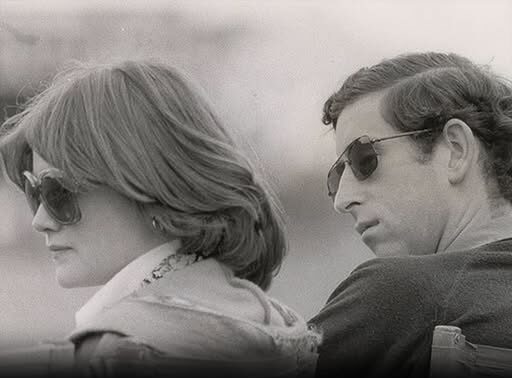
Lady Sarah Spencer, the eldest of the Spencer sisters, dated Prince Charles during the late 1970s, when he was one of Britain’s most eligible bachelors.
The relationship generated considerable interest, and some observers wondered whether Sarah might eventually become the future Princess of Wales.
But the romance came to an end after a controversial newspaper interview in which Sarah spoke openly about her relationship with Charles and made it clear that she had no intention of marrying someone she did not love.
According to royal accounts, the interview upset the prince and contributed to the breakdown of their relationship.
What happened afterward made the story even more remarkable.
Sarah eventually became associated with the introduction of Charles to her younger sister, Diana Spencer, who would marry him in a globally televised royal wedding in 1981.
Years later, the connection between the two sisters and the future king remained one of the more intriguing chapters in the history of the British royal family.
Before Princess Diana, There Was Lady Sarah Spencer
When Prince Charles was a young bachelor, his romantic relationships attracted widespread attention.
As heir to the British throne, he faced expectations concerning marriage, family, and the future of the monarchy.
His choice of a wife was not regarded as an entirely private decision.
The woman he eventually married would be expected to participate in royal duties and occupy an important public position.
During the 1970s, newspapers regularly speculated about which women might become his future bride.
Among those connected to the prince was Lady Sarah Spencer.
Born in 1955, Sarah was the eldest daughter of the Spencer family and the older sister of Lady Diana Spencer.
Her relationship with Charles briefly placed her at the center of royal marriage speculation.
At the time, few could have predicted that her younger sister would eventually marry the same man.
The Spencer Family Had Longstanding Connections to Royal Circles
The Spencer family was already well established within Britain’s aristocratic society before Diana became Princess of Wales.
The family’s connections to the royal household meant that members of the younger generation sometimes moved within the same social circles as the prince.
Sarah was the eldest of the three Spencer daughters.
Her sister Jane was born in 1957, while Diana was born in 1961.
The family also included their brother Charles Spencer, born in 1964, who later became the 9th Earl Spencer.
Growing up in this environment gave the Spencer children a degree of familiarity with aristocratic traditions and social occasions.
Those connections helped explain how Sarah and Prince Charles came into contact.
However, shared social circles did not guarantee that a relationship would develop into marriage.
Sarah’s romance with Charles would demonstrate just how unpredictable such expectations could be.
Prince Charles Was One of Britain’s Most Discussed Bachelors
As the future king, Charles occupied an unusual position in British public life.
His personal decisions were regularly examined for their possible implications for the monarchy.
Marriage was an especially important subject because his future wife would eventually become queen consort if he succeeded to the throne.
Newspapers followed his relationships and frequently discussed potential brides.
Charles had also maintained a connection with Camilla Shand, who married Andrew Parker Bowles in 1973.
Royal accounts have described the relationship between Charles and Camilla as an important part of his personal history.
Yet during the late 1970s, Sarah Spencer became one of the women romantically associated with him.
Her background and familiarity with royal circles made the relationship a natural subject for newspaper speculation.
Sarah and Charles Were Photographed Together in 1977
By 1977, Sarah’s association with Prince Charles was attracting public attention.
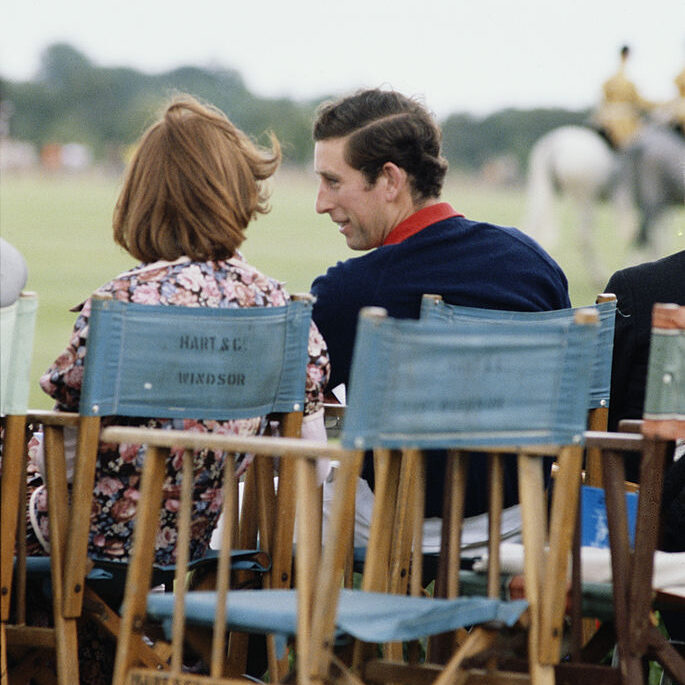
Photographs showed the pair attending social and sporting events, including polo matches.
One image from July 1977 captured Sarah alongside the prince, years before he married her younger sister.
At the time, such appearances contributed to questions about whether the relationship might become serious.
For newspaper readers, an eligible prince spending time with a young aristocratic woman naturally invited speculation.
Sarah was also a recognizable member of a family already connected to the royal household.
However, appearing together at public events did not establish that an engagement was being planned.
The relationship remained a subject of interest rather than a confirmed step toward marriage.

A Skiing Holiday Added to the Romantic Speculation
During their relationship, Sarah and Charles spent time together on a skiing holiday associated with the Swiss resort of Klosters.
The trip became an important part of the story because it preceded the interview that reportedly damaged their romance.
Photographs and reports about their time together increased public curiosity.
For some observers, the holiday appeared to suggest that the relationship was developing.
But Sarah’s own comments would soon challenge those expectations.
After returning from the trip, she spoke with journalists about her association with Charles.
The resulting publicity became one of the most widely discussed episodes of their brief romance.
The Interview That Reportedly Changed Everything
In early 1978, Sarah spoke with journalists Nigel Nelson and James Whitaker during a lunch in London.
Her comments were unusually candid for someone romantically connected to the heir to the throne.
Discussing the skiing holiday, she reportedly described it as a “marvellous holiday but there’s no question of an engagement.”
That statement directly challenged the public speculation surrounding the relationship.
Instead of encouraging expectations of a royal marriage, Sarah emphasized that no engagement was being planned.
But she went further.
Her remarks about love and marriage became particularly memorable because they suggested she would not accept a proposal simply because Charles was a prince.
The interview subsequently attracted significant attention and reportedly damaged the relationship.
Sarah Said She Would Only Marry for Love
Sarah was reportedly 22 when she made the statements that became closely associated with the end of her romance with Charles.
She told the journalists, “There is no chance of my marrying him. I’m not in love with him. And I wouldn’t marry anyone I didn’t love whether he were the dustman or the King of England…If he asked me I would turn him down. I would only marry for love.”
Her words were striking because they rejected the idea that marrying the heir to the throne would automatically be desirable.
For Sarah, at least according to the published remarks, love was a requirement rather than an optional consideration.
That position contrasted with the widespread public fascination surrounding the possibility of a royal wedding.
Yet the interview also exposed details of a private relationship to national attention.
Charles reportedly reacted negatively to the publicity.

Prince Charles Was Reportedly Furious About the Interview
Accounts of the relationship describe Charles as deeply displeased when Sarah’s comments appeared in the press.
The interview reportedly included personal details beyond their romantic connection.
Some accounts referred to Sarah’s earlier experiences with alcohol, school, and an eating disorder.
Those disclosures added another layer of personal publicity to an already closely watched relationship.
According to royal commentary, Charles believed Sarah had exercised poor judgment by speaking so openly.
He was reported to have told her, “You’ve just done something extremely stupid.”
However, that remark comes from later accounts of the episode rather than a publicly documented transcript of a private conversation.
What is clear from the narrative is that the interview became strongly associated with the end of their romance.
Royal Author Tina Brown Discussed Sarah’s Mistake
The episode was later discussed by Tina Brown in her book The Diana Chronicles.
Brown described how Sarah appeared to realize that her remarks had created difficulties.
According to Brown, “Sarah herself realized her mistake as soon as the words were out of her mouth. She muddled things more by trying some damage control, suggesting that Whitaker’s interview had been obtained by foul means. This did not play well.”
The account suggests that Sarah attempted to limit the consequences of the interview after recognizing how her comments had been received.
But the publicity had already spread.
For a relationship involving the future king, statements made to journalists could attract consequences far beyond an ordinary private disagreement.
The episode highlighted the difficulty of navigating a romance that was constantly subject to public scrutiny.
The Romance Ended Before It Became an Engagement
By early 1978, Sarah’s relationship with Prince Charles had come to an end.
Although the controversial interview is often described as a major reason for the breakup, the private circumstances cannot be reconstructed entirely from published accounts.
Relationships may end for several reasons, and neither participant provided a complete public record of every personal decision.
Nevertheless, Sarah’s statements clearly rejected the possibility of marriage at that time.
Despite earlier speculation, the relationship did not lead to an engagement.
Sarah would eventually marry someone else.
But her connection to the prince was far from the last time her name would become part of royal history.
Her younger sister Diana was about to become increasingly important in Charles’s life.

Diana Spencer Had Already Encountered the Prince
Charles and Diana’s family connections existed before their eventual romance.
They first met in 1977, when Diana was 16 and Charles was spending time with Sarah.
At that stage, Diana was not publicly known as the prince’s future bride.
She was Sarah’s younger sister, growing up within an aristocratic family whose social connections included members of the royal household.
The circumstances were far removed from the international attention that would surround her just a few years later.
The early meeting became significant in retrospect because Charles eventually developed a relationship with Diana.
However, the beginning of their later romance should be distinguished from that initial introduction.
Their connection developed over time rather than immediately becoming the courtship that led to marriage.
Lady Sarah Later Claimed Credit for Introducing the Couple
One of the most memorable details of the story is Sarah’s own description of her role in bringing Charles and Diana together.
Before their marriage, she reportedly said, “I introduced them. I’m Cupid,”
The remark reflected her connection to the couple’s early acquaintance.
It also created an extraordinary family connection: the woman who once dated Charles was now celebrating his forthcoming marriage to her younger sister.
Sarah’s earlier relationship had ended without an engagement.
But Diana would go on to become Princess of Wales.
The sequence has fascinated royal observers for decades, partly because it places two sisters within the same chapter of the future king’s romantic history.
Princess Diana’s Early Life Was Different From Her Later Royal Image
Before marrying Charles, Diana was known primarily within aristocratic and royal social circles.
She did not begin her adult life as a famous international figure.
Accounts of her early work include caring for children and undertaking domestic tasks.
She was also reported to have helped with cleaning work for her older sister Sarah.
These details later became part of the public fascination with Diana’s transformation into Princess of Wales.
Her image as a young woman who had performed ordinary jobs contrasted with the elaborate ceremonies and responsibilities that accompanied royal marriage.
Although her family was aristocratic, Diana’s early working life became a frequently repeated element of her personal story.
It contributed to the way audiences came to view her as approachable despite her royal position.
A Conversation About Lord Mountbatten Became Important
Royal biographer Penny Junor has described a conversation between Charles and Diana that reportedly helped deepen their connection.
The discussion concerned Lord Louis Mountbatten, Charles’s great-uncle and an important figure in his life.
Mountbatten was killed in an IRA bombing in August 1979.
According to Junor’s account, Diana expressed sympathy for Charles after seeing the emotional impact of Mountbatten’s death.
The conversation reportedly took place following a polo event.
Junor described Diana’s words as emotionally significant to Charles.
The episode has often been presented as one of the moments that helped develop the relationship between them.
Although private conversations cannot be independently reconstructed in full, the account became part of the widely discussed history of their courtship.
Diana’s Compassion Reportedly Made an Impression on Charles
According to Junor, Diana expressed concern about the loneliness Charles may have experienced after Mountbatten’s death.
She reportedly told him, “My heart bled for you when I watched the funeral; I thought, ‘It’s wrong, you’re lonely–you should be with somebody to look after you.”
Junor later explained, “Diana really touched a nerve in Charles, she said just the right thing to him, at the right moment, and he was moved by her.”
The biographer’s account suggests that Diana’s expression of sympathy played a role in how Charles began to view her.
At the time, the prince was carrying on with his public duties while also navigating personal relationships and family expectations.
For Diana, the conversation became part of the early history of a relationship that would soon attract enormous attention.
The Royal Courtship Quickly Became a National Story
As Charles and Diana’s relationship developed, public interest increased dramatically.
Diana was young, attractive, and connected to a well-known aristocratic family.
Her appearance and demeanor helped make her a favorite subject of newspaper and television coverage.
The possibility of an engagement generated intense speculation.
Unlike Sarah’s earlier romance with Charles, this relationship eventually led to an official marriage announcement.
The courtship became part of a much larger national conversation about the future of the monarchy.
For many viewers, Diana seemed to embody the romantic ideal of a young woman becoming a princess.
Yet the personal realities of the marriage would prove far more complicated than its public image suggested.
Charles and Diana Married on July 29, 1981
On July 29, 1981, Prince Charles and Lady Diana Spencer married at St. Paul’s Cathedral in London.
The ceremony was watched by an enormous international television audience.
For many people, the wedding represented a modern royal fairy tale.
Diana’s elaborate wedding gown, the grand religious ceremony, and the couple’s formal appearance became defining images of the occasion.
The Archbishop of Canterbury, Robert Runcie, captured the romantic public mood when he said, “Here is the stuff of which fairy tales are made – the prince and princess on their wedding day.”
But the marriage would not follow the conventional happy ending associated with fairy tales.
Over time, personal difficulties and public scrutiny placed considerable strain on the relationship.
Sarah’s Younger Sister Became Princess of Wales
The wedding created a remarkable connection between the two Spencer sisters and the British royal family.
Sarah had previously been romantically linked to Charles.
Now Diana was married to him and held the title Princess of Wales.
Sarah’s earlier comment about introducing the couple became part of the story’s enduring appeal.
For royal observers, the sequence was unusual enough to invite repeated retellings.
However, it should not be interpreted as evidence that Sarah had expected or planned for the eventual marriage.
The available accounts establish her earlier relationship with Charles and her later association with Diana’s introduction.
They do not support claims that the entire sequence was arranged as a deliberate strategy.
Lady Sarah Chose a Different Path in Marriage
While Diana became Princess of Wales, Sarah pursued her own family life.
In 1980, she married Neil Edmund McCorquodale.
The marriage took place before Charles and Diana’s royal wedding.
Sarah’s earlier statements about marrying for love became particularly notable in retrospect.
She had publicly rejected the idea of accepting a proposal simply because the prospective husband was a prince.
Her later marriage reflected a different personal path from the one the press had once imagined for her.
Although her romantic relationship with Charles had ended, her connection to the royal family continued through Diana.
Over the following years, Sarah remained part of her sister’s life as Diana took on royal responsibilities.
Diana and Charles Welcomed Two Sons
After their marriage, Charles and Diana became parents to two sons.
Prince William was born in June 1982.
Prince Harry followed in September 1984.
The boys became central figures in the public life of the royal family.
William eventually became heir to the throne when his father succeeded Queen Elizabeth II in 2022.
Harry later established a separate public role while remaining a member of the royal family.
For Diana, motherhood was an important part of her identity and public image.
Her relationship with her sons continued to attract attention throughout her life and after her death.
The boys also maintained family connections with their maternal relatives, including members of the Spencer family.
Lady Sarah Remained Connected to Diana’s Life
Despite the unusual history involving Prince Charles, Sarah maintained a relationship with her younger sister.
She was seen accompanying Diana at certain public and official occasions.
As Diana’s responsibilities increased, family relationships remained an important part of her personal background.
Sarah’s involvement reflected the continuing connection between the Princess of Wales and her relatives.
The Spencer family had been part of Diana’s life before she became a global figure.
Those ties remained significant even as her royal role brought greater public attention.
Sarah’s connection to Charles through their earlier romance became only one aspect of a much broader family history.
The Marriage Between Charles and Diana Faced Difficulties
Although their wedding was celebrated internationally, Charles and Diana’s marriage became increasingly troubled.
Over time, reports about personal disagreements and the deterioration of their relationship attracted significant media attention.
The couple eventually separated in 1992.
Their divorce was finalized in August 1996.
The breakdown of the marriage changed how many people remembered the grand wedding ceremony of 1981.
What had once been celebrated as a fairy-tale romance became a story involving complicated relationships, public expectations, and personal difficulties.
Those developments also reshaped public discussion about Charles’s earlier relationships, including his longstanding connection to Camilla Parker Bowles.
Camilla Parker Bowles Remained an Important Figure
Camilla Shand had known Charles before his marriage to Diana.
She married Andrew Parker Bowles in 1973 and later became known publicly as Camilla Parker Bowles.
Her relationship with Charles became the subject of substantial public attention during the difficulties surrounding his marriage to Diana.
After Charles and Diana divorced, the future king’s relationship with Camilla eventually developed into marriage.
Charles and Camilla wed in April 2005.
When Charles became king in September 2022, Camilla became queen consort and is now styled Queen Camilla.
Her place in royal history adds another layer to the complex story of Charles’s personal relationships before and after his marriage to Diana.
Princess Diana’s Death Devastated People Around the World
On August 31, 1997, Diana died following a car crash in Paris.
She was 36 years old.
Her death came approximately one year after her divorce from Charles was finalized.
The news prompted widespread grief in Britain and internationally.
Diana had become admired for her public presence, charitable work, and approach to engaging with people from different backgrounds.
Her funeral drew enormous public attention and became one of the defining events of the decade.
For her family, including her siblings and two young sons, the loss was deeply personal.
For the wider public, it marked the premature death of a woman whose life had become closely associated with both royal glamour and personal difficulty.
Sarah Took on a Role in Preserving Diana’s Legacy
Following Diana’s death, Lady Sarah became involved in efforts to preserve her sister’s charitable legacy.
She served as president of the Diana, Princess of Wales Memorial Fund.
The fund was established to support charitable causes associated with Diana’s humanitarian interests.
Its work continued for years after Diana’s death, before the fund closed in 2012.
Sarah’s involvement demonstrated the continuing connection between Diana’s family and the causes for which she had become known.
It also showed that Sarah’s public identity extended beyond the romantic history that once connected her to Charles.
As Diana’s older sister, she had a personal stake in how the princess’s memory and charitable contributions were preserved.
The Spencer Sisters Maintained Important Family Ties
Diana’s siblings continued to occupy a place in the wider story of the royal family after her death.
Sarah and her sister Jane Fellowes remained connected to their nephews, William and Harry.
The maternal side of the family represented an important part of the princes’ personal history.
While public attention often focused on the royal household, Diana’s family provided another connection to their mother’s life.
Those relationships carried significance independent of the earlier romance between Sarah and Charles.
The Spencer family remained associated with Diana’s memory, childhood, and charitable legacy.
For Sarah, the decades following the royal wedding involved far more than the brief relationship that had once made her a potential royal bride.
Why Sarah’s Interview Still Attracts Attention
Nearly half a century after Sarah’s romance with Charles, the interview that reportedly contributed to their breakup remains a frequently repeated part of royal history.
Its appeal comes partly from the contrast between the expectations surrounding the prince and Sarah’s outspoken remarks.
At a time when many people imagined marrying the heir to the throne as an extraordinary opportunity, Sarah publicly insisted that love mattered more than royal status.
Her comments challenged the romantic assumptions surrounding the relationship.
The subsequent breakup also created an unexpected connection to Diana’s later marriage.
Without that sequence, Sarah’s short-lived relationship might have remained a relatively minor episode in Charles’s early adult life.
Instead, it became part of a much larger and more complicated family story.
Would Royal History Have Been Different If Sarah Had Married Charles?
The possibility of Sarah becoming Charles’s wife is an intriguing historical question.
Had their relationship developed differently, the public story of the monarchy might have taken another direction.
However, such scenarios cannot establish what would actually have happened.
Sarah explicitly rejected the suggestion that she intended to marry Charles during her controversial interview.
The relationship ended, and both eventually married other people.
Diana’s later marriage, the birth of William and Harry, and the subsequent history of the royal family followed a path that cannot be reconstructed through speculation.
The most useful way to approach the question is to recognize how unexpected personal connections can become important parts of historical events.
Sarah’s role remains interesting without requiring an imagined alternative royal timeline.
The Story Reveals the Pressure Surrounding Royal Relationships
Sarah and Charles’s brief romance illustrates the challenges of pursuing a relationship while facing intense public scrutiny.
Ordinary dating decisions became subjects of national speculation because Charles was the future king.
Statements made during a lunch with journalists could quickly influence how the relationship was perceived.
For Sarah, the experience reportedly demonstrated the consequences of speaking candidly about a relationship that the public considered highly significant.
For Charles, it occurred during a period when questions about marriage and royal succession were already attracting attention.
The later relationship with Diana would involve even greater scrutiny.
Together, these events show how private decisions within a royal family can become closely tied to public expectations and historical narratives.
Lady Sarah’s Place in Royal History Goes Beyond One Romance
Lady Sarah Spencer is often remembered as the older sister who dated Prince Charles before Diana.
That description captures an unusual historical connection, but it does not tell her complete story.
She was a member of the Spencer family with her own personal relationships and life outside royal speculation.
After her romance with Charles ended, she married Neil McCorquodale in 1980.
She remained connected to Diana and later participated in efforts to preserve her sister’s charitable legacy.
Her involvement with the Diana, Princess of Wales Memorial Fund became an important part of her public contributions.
Those aspects of her life provide a broader perspective than the events of 1977 and 1978 alone.
The Unexpected Connection Between Two Sisters and a Future King
The story of Sarah Spencer, Diana Spencer, and Prince Charles remains one of the most unusual personal connections in modern royal history.
Sarah dated Charles during the late 1970s, when speculation about his future marriage was widespread.
But the romance ended following a controversial interview in which she openly stated that she was not in love with him and would only marry for love.
Her comments reportedly upset Charles and contributed to the breakdown of their relationship.
Sarah later became associated with introducing Charles to her younger sister Diana, even describing herself as “Cupid” before the couple’s wedding.
Charles and Diana married on July 29, 1981, and became parents to William and Harry.
Their marriage later ended in divorce, while Diana’s death in 1997 left a lasting impact on the royal family and the public.
Sarah went on to support her sister’s legacy through her involvement with the Diana, Princess of Wales Memorial Fund.
Decades later, the story continues to fascinate because it combines a brief royal romance, an unusually candid interview, and a family connection that eventually became part of British history.
Yet perhaps the most memorable detail is Sarah’s insistence that marriage should be based on love rather than status.
For a woman once considered a possible bride to the future king, that statement became a defining part of a relationship that ended long before another Spencer sister walked down the aisle at St. Paul’s Cathedral.