
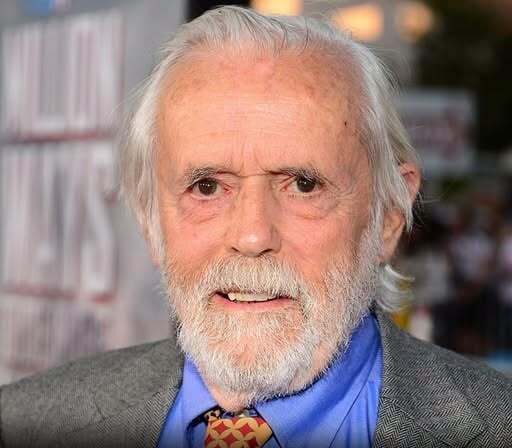
Matt Clark Remembered for a Long and Respected Career in Film and Television
The Life and Legacy of Veteran Character Actor Matt Clark
The film and television world is remembering Matt Clark, a veteran character actor whose steady work helped shape stories across more than five decades.
Clark died at the age of 89, bringing to a close a career defined by discipline, versatility, and a deep commitment to acting. His work reached audiences through both major films and television productions, where he often brought depth to supporting roles that strengthened the stories around him.
He passed away at his home in Austin, Texas. His death followed complications connected to a recent back surgery.
A Familiar Face Across Generations
For many viewers, Clark was the kind of actor they recognized immediately, even when they did not always know his name. His presence carried a grounded quality that made scenes feel more authentic.
He built a career not through celebrity spectacle, but through consistency. In role after role, he became a dependable part of productions that needed believable, carefully shaped characters.
Clark’s screen work extended across generations of audiences. His performances connected different eras of entertainment, from classic Westerns to popular television comedy and widely remembered films.
Over time, he became known as an actor who could enter a scene, understand its purpose, and leave a lasting impression without overpowering the story.
Early Life and Path Into Acting
Born in 1936, Clark developed an interest in performance and storytelling early in life. His path into acting was guided by curiosity about character, narrative, and the shared effort that goes into creating films and television.
He began working during a period when Hollywood was changing. The older studio model was giving way to new approaches, new voices, and new opportunities for actors who could adapt.
That changing environment helped performers like Clark build long careers. He did not depend on one kind of role or one type of production. Instead, he moved through different genres and formats with ease.
His ability to adjust made him valuable to casting directors and filmmakers. He could take on a small role and give it the same care another actor might reserve for a leading part.
A Career Built on More Than 120 Credits
Clark’s filmography included more than 120 credits, a number that reflects both his work ethic and the trust he earned throughout the industry.
Each part added to a career that was not defined by one single performance, but by the accumulation of many carefully delivered roles. Whether a scene was brief or central to a story, Clark approached it with seriousness.
His work demonstrated how important character actors are to film and television. They help create the world around the main story, giving audiences people, places, and moments that feel real.
Clark understood that responsibility. His performances often brought texture to a production, making scenes feel fuller and more lived-in.
Memorable Work in Film and Television
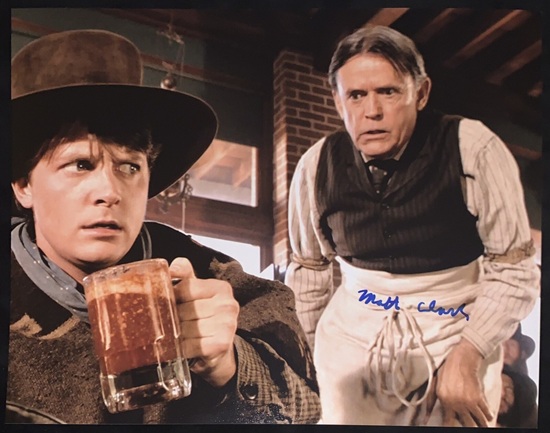
Among his most widely remembered film appearances was his role as a bartender in Back to the Future Part III. The role was brief, but it added to the atmosphere of the film’s Western setting.
His work in that film reflected one of his strongest qualities as an actor. He could make a small moment feel natural and complete, helping the larger story hold together.
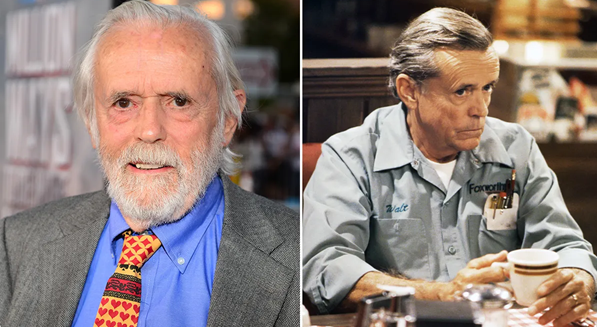
Television audiences also came to know him through his recurring role on Grace Under Fire. His presence on the series added steadiness and helped deepen the relationships among the characters.
Clark moved between film and television without difficulty. He did not treat one medium as more important than the other. For him, the value was in the story and the chance to contribute meaningfully to it.
Connections to Major Hollywood Figures
Throughout his career, Clark worked with some of Hollywood’s most influential figures. His screen career placed him alongside performers and filmmakers whose projects became part of cinema history.
He shared the screen with Clint Eastwood and contributed to projects that remain closely associated with American filmmaking. These collaborations helped place Clark within some of the most recognizable chapters of film culture.
His career also connected him to productions associated with John Wayne. That link further tied Clark’s work to the legacy of Western filmmaking and the long influence of the genre.
He also appeared in projects involving Robert Redford, showing his ability to fit naturally within strong ensembles. Clark’s performances supported the larger story while still maintaining a distinct screen presence.
A Strong Connection to Westerns
Westerns remained a meaningful part of Clark’s career. His roles in the genre helped define much of his screen identity and allowed him to explore stories rooted in frontier settings, moral conflict, and American mythology.
His role in The Outlaw Josey Wales showed his ability to contribute to a complex story shaped by history and personal struggle. The film’s world required performers who could bring authenticity to even the smallest details.
Clark also appeared in Pat Garrett and Billy the Kid, a film centered on legendary figures of the Old West. His involvement added to his association with stories that examined the myths and realities of frontier life.
In The Life and Times of Judge Roy Bean, he again showed the range that made him useful across different storytelling styles. He could adapt to shifting tones while keeping his performances believable.
These roles strengthened his bond with Westerns. Clark brought a natural feel to the genre, helping preserve its spirit during a time when it continued to evolve.
A Lifelong Love for the Genre
Clark often expressed genuine affection for Western storytelling. The landscapes, sense of adventure, and questions of right and wrong held deep meaning for him.
He spoke about the excitement of entering that world as an actor. For Clark, playing characters shaped by rugged environments and moral choices was not simply a job. It was part of what drew him to performance.
That passion came through in his work. His Western roles carried a sense of understanding that made them feel rooted in the stories being told.
Even as the genre changed over the years, Clark remained connected to its traditions. He helped carry forward the tone and atmosphere that made Westerns memorable to generations of viewers.
An Actor Focused on Craft
Despite his long list of credits, Clark did not build his life around fame. He remained focused on the work itself and valued the chance to help tell meaningful stories.
Family members and colleagues described him as an “actor’s actor,” a phrase that reflected his seriousness, preparation, and respect for the process.
On set, he was known for being reliable. Directors valued performers who could arrive prepared, understand the material, and support the needs of the scene.
Clark had that ability. He understood not only his own character, but also how that character fit within the larger structure of a project.
This made his performances especially useful. He could strengthen a scene without pulling attention away from the story’s main direction.
Respect From Directors and Collaborators
Director Gary Rosen reflected on Clark’s career by recognizing his connection to a defining era of filmmaking. Clark represented a tradition rooted in craftsmanship, patience, and attention to detail.
Rosen noted that Clark could make every scene feel important. Even when his screen time was limited, his presence added weight to the moment.
Director Brian Helgeland, who worked with Clark on 42, also praised his dedication. Helgeland recognized Clark as an actor who understood both character and context.
Clark remained involved in the scenes he performed, sometimes improvising while still serving the story. That balance required skill and judgment.
These reflections show the level of respect he earned among those who worked with him. His talent was matched by his professionalism and his care for the integrity of each performance.
A Life Defined by Values and Loyalty
Beyond his acting career, Clark was known for strong personal values. He approached life with practicality, discipline, and a firm sense of right and wrong.
One example of that independence was his decision to build his own home. The hands-on effort reflected his willingness to invest time and energy into things that mattered to him.
He also maintained friendships that lasted for decades, some for more than sixty years. Those long relationships spoke to his loyalty and the trust he inspired in others.
While he could appear reserved, those close to him understood the depth of his character. His care often showed through actions rather than display.
He was also remembered for a quiet sense of humor. That personal warmth remained part of the relationships he carried throughout his life.
Family and Personal Legacy
Family remained central to Clark’s life. Although his career placed demands on his time, he stayed closely connected to the people he loved.
His family described him as someone who stood firmly by his principles. That consistency shaped both his private life and his professional conduct.
Clark is survived by his wife, children, grandchildren, and a great-grandchild. His legacy continues through them, extending beyond his body of work on screen.
In reflecting on his life, his family shared a message that captured the emotional weight of his passing.
“He lived. He lives, forever,” they stated.
The words reflected a belief that his influence remains present through memory, family, friendship, and the performances he left behind.
The Lasting Importance of Character Actors
Clark’s career stands as a reminder of the essential role character actors play in storytelling. They may not always receive the largest headlines, but their work helps make fictional worlds convincing.
His performances brought realism to films and television shows across many decades. Each role, regardless of size, added something to the larger work.
For audiences, Clark became a trusted presence. Seeing him on screen often meant encountering a character who felt grounded, familiar, and fully connected to the story.
His legacy is not measured only through awards or fame. It is also found in the respect of his peers, the trust of filmmakers, and the quiet impact of performances that continue to be seen.
As viewers revisit his films and television appearances, they will continue to find the depth and authenticity he brought to his roles.
Matt Clark’s life and career remain a testament to dedication, humility, and a lifelong commitment to storytelling. His work endures as part of film and television history, ensuring that his presence will continue to be felt for generations.