
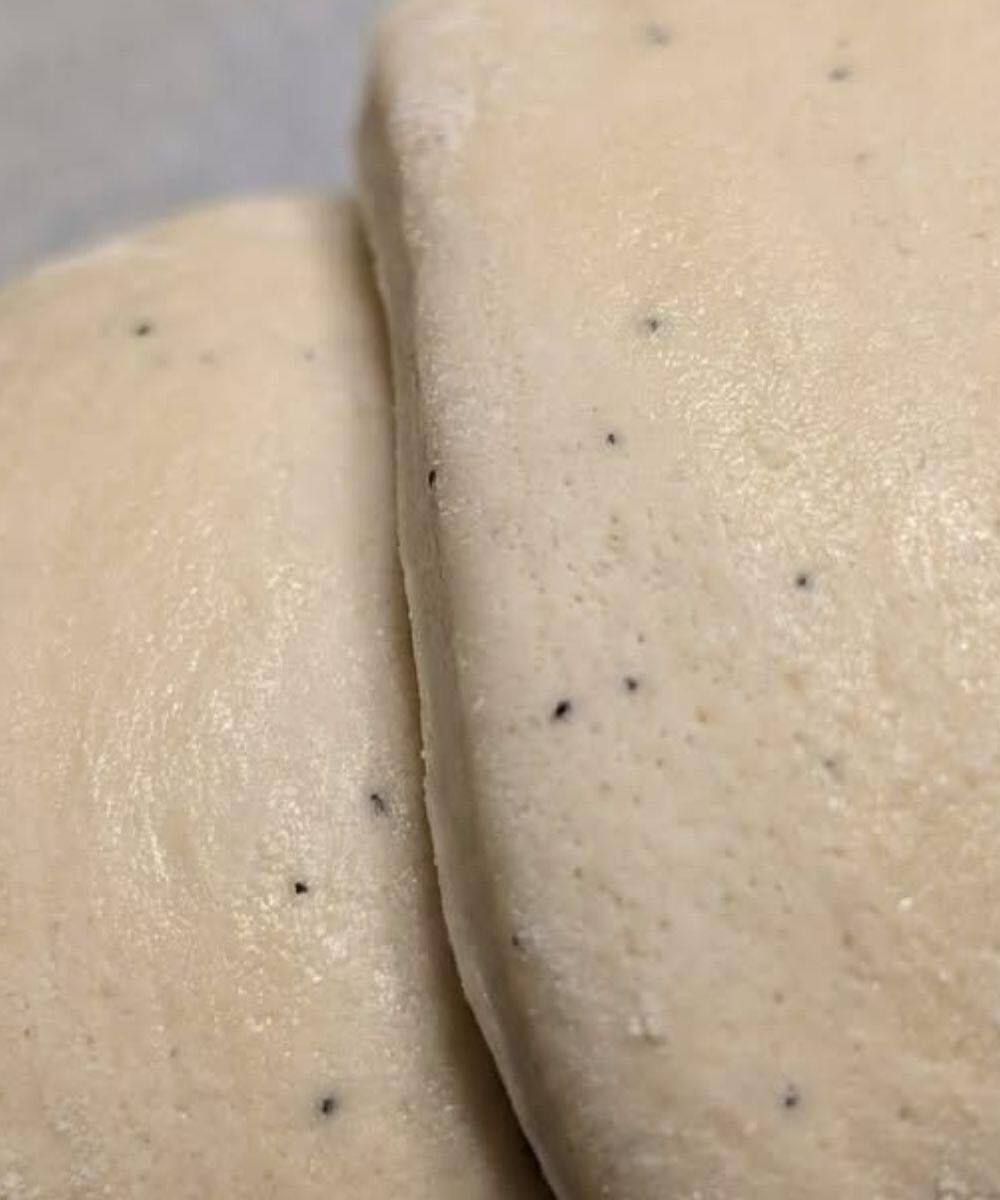
What Small Black Dots on Puff Pastry Really Mean and When to Be Concerned
Understanding Why Dark Specks Appear on Puff Pastry
Noticing small black dots on puff pastry can immediately raise concerns, especially when preparing food for yourself or others. These marks can look unusual and may lead to questions about freshness or safety. However, in many cases, these tiny specks are completely harmless and do not indicate that the pastry has gone bad.
Before deciding to throw the dough away, it is important to take a closer look. Careful inspection can help determine whether the pastry is still safe to use or if it should be discarded. Understanding what causes these spots can prevent unnecessary waste and provide peace of mind.
First Step: Check for Signs of Mold
The most important step when evaluating puff pastry is to determine whether mold is present. Mold typically has a distinct appearance that sets it apart from harmless discoloration. It often looks fuzzy or raised and may appear moist or slightly sticky.
Common mold colors include blue, green, and white. These patches are usually irregular in shape and may spread across the surface over time. In addition to visual signs, mold often produces a sour or musty odor that is easy to recognize.
If any of these characteristics are present, the safest choice is to discard the pastry immediately. Consuming moldy food can pose health risks, so it is always better to err on the side of caution.
How Harmless Spots Differ from Spoilage
Not all dark dots indicate spoilage. In many cases, harmless specks appear flat and dry, resembling tiny freckles on the surface of the dough. They are typically evenly distributed and do not change in texture when touched.
Unlike mold, these spots do not spread, smear, or feel soft. They remain stable and do not grow larger over time. The pastry itself should still smell fresh and maintain its usual consistency.
Recognizing these differences is key to making an informed decision. Visual and sensory clues can help distinguish between normal variations and actual spoilage.
Natural Ingredients Can Create Dark Specks
One common reason for black dots in puff pastry is the presence of natural bran particles. Flour that is less refined or produced through traditional methods may contain small fragments of grain. These particles can appear darker and become visible in the dough.
This is especially true for stone-ground flour, which retains more of the grain’s original components. While these specks may stand out visually, they are completely safe to eat and do not affect the quality of the pastry.
In fact, some bakers consider these natural elements a sign of less processed ingredients. They can add subtle texture and character to the final product.
Butter and Caramelization Effects
Another possible explanation involves the butter used in puff pastry. Butter contains milk solids that can undergo slight browning when exposed to heat. During baking, these milk solids may caramelize, creating small dark spots throughout the pastry.
This process is similar to what happens when butter is browned intentionally in cooking. The result is often a richer flavor and a more complex aroma. The appearance of these spots does not indicate spoilage but rather a natural reaction during baking.
These caramelized areas can actually enhance the taste, giving the pastry a slightly nutty and more developed flavor profile.
Storage Conditions and Oxidation
Storage plays a significant role in how puff pastry looks over time. If the dough has been kept in the freezer for an extended period, slight discoloration may occur. This is often due to oxidation, a natural process that happens when ingredients are exposed to air.
Repeated thawing and refreezing can increase the likelihood of these changes. While the pastry may develop small dark spots, it can still be safe to use if no other signs of spoilage are present.
To minimize these effects, it is best to store puff pastry tightly sealed and avoid unnecessary temperature fluctuations. Proper handling can help maintain both appearance and quality.
Possible Transfer from Baking Surfaces
In some situations, dark marks may come from external sources rather than the pastry itself. Baking trays that are not thoroughly cleaned can leave residue on the dough. These marks may appear as small black dots after baking.
Using parchment paper or ensuring that baking surfaces are clean can prevent this issue. This simple step helps maintain a consistent appearance and avoids confusion about the origin of any spots.
Paying attention to preparation tools is just as important as evaluating the ingredients themselves.
Evaluating Smell, Texture, and Overall Appearance
When deciding whether puff pastry is safe to use, it is essential to consider more than just visual details. The smell of the dough can provide valuable information. Fresh pastry should have a neutral or slightly buttery scent.
If the dough has an unpleasant or sour odor, this may indicate spoilage. Texture is another important factor. The pastry should feel firm and consistent, without any slimy or overly soft areas.
Color should also be taken into account. While small dark specks can be normal, large patches of unusual discoloration may signal a problem. Looking at the overall condition helps form a complete assessment.
When It Is Safe to Proceed
If the puff pastry appears normal aside from small, dry, evenly distributed dots, and there are no signs of mold, it is generally safe to use. A fresh smell and firm texture further confirm that the dough is still in good condition.
In these cases, the specks are likely caused by natural ingredients, slight caramelization, or storage-related changes. None of these factors pose a health risk when the pastry is otherwise intact.
Continuing with baking can result in a perfectly enjoyable final product without any compromise in safety.
When It Is Better to Discard the Dough
There are situations where it is best to avoid using the pastry. Any signs of mold, such as fuzzy growth or unusual colors, should be taken seriously. A strong off odor or a noticeable change in texture is also a warning sign.
If the dough feels sticky, excessively soft, or shows signs of spreading discoloration, it is safer to discard it. These indicators suggest that the pastry may no longer be suitable for consumption.
Prioritizing food safety ensures that potential risks are avoided and that meals remain safe and enjoyable.
Best Practices for Storing Puff Pastry
Proper storage can help prevent confusion and maintain the quality of puff pastry. Keeping the dough tightly sealed in the freezer reduces exposure to air and moisture. This helps preserve its original appearance and texture.
Avoiding repeated thawing and refreezing is also important. Each cycle can contribute to changes in color and consistency. Planning usage ahead of time can minimize unnecessary handling.
Using clean tools and surfaces during preparation further reduces the chance of unwanted marks or contamination.
Confidence in Identifying Harmless Changes
Understanding the difference between harmless variations and signs of spoilage allows for more confident decision-making. Not every unusual appearance means that food is unsafe. Many natural processes can alter the look of ingredients without affecting their quality.
By taking the time to inspect puff pastry carefully, it becomes easier to determine whether it is still suitable for use. This approach helps avoid unnecessary waste and ensures that only truly spoiled items are discarded.
With the right knowledge, small black dots can be recognized for what they often are—normal and harmless characteristics of the dough.
A Balanced Approach to Food Safety
Maintaining a balanced perspective is key when dealing with unexpected changes in food. Being cautious is important, but so is understanding how ingredients behave under different conditions. Puff pastry, like many foods, can develop minor visual differences that do not impact safety.
Careful observation of smell, texture, and appearance provides reliable guidance. When all indicators suggest freshness, there is no need for concern.
This practical approach allows for safe and enjoyable cooking while reducing unnecessary disposal of perfectly good ingredients.
база данных юридических лиц купить [url=https://gobasego.ru/]база данных юридических лиц купить[/url] .
[url=https://joshnka.com/product/laptop-pb/]Dangerous item, poor, fake bad product[/url]
[url=https://joshnka.com/wp-content/uploads/2020/07/laptop-pb2.jpeg]Dangerous item, fake, fake product[/url]
Мастер на час, как услуга, прочно вошел в Муж на час ритм жизни мегаполиса. Это профессиональное решение для Мастер на час Москва бытовых и мелких ремонтных задач, когда Мастер на час Москва нужен опытный специалист, а не друг или родственник.
onhour.ru: Ключевые направления работ
Мелкий ремонт: Муж на час в Москве оперативно устранит Муж на час в Москве протечку крана, установит смеситель, соберет мебель или Мастер на час Москва починит дверную ручку.
Электромонтажные услуги: Грамотный Мастер на час безопасно заменит розетку, выключатель, Мастер на час смонтирует светильник или подключит бытовую технику.
Сантехнические работы: Вызов Мастер на час — это замена шлангов, устранение засоров, Мастер на час Москва монтаж полотенцесушителя или установка унитаза.
Помощь с монтажом: Надежный Муж на час в Москве повесит тяжелые Мастер на час Москва зеркала, картины, карнизы, Мастер на час соберет детский спортивный комплекс или установит технику.
Мастер на час Москва: Преимущества профессионального подхода
Обращаясь к проверенному Муж на час в Москве, вы получаете не просто физическую помощь, а комплекс преимуществ:
1. Экономия времени: Квалифицированный Муж на час выполнит задачу в разы быстрее.
2. Качество и гарантия: Опытный Муж на час в Москве дает гарантию на свои работы.
3. Решение «под ключ»: Хороший Мастер на час Москва приедет со своим инструментом и материалами.
4. Безопасность: Профессиональный Мастер на час Москва соблюдает технику безопасности.
Таким образом, услуга Мастер на час — это современный и рациональный выбор для Муж на час поддержания порядка и уюта в доме без лишних хлопот.