
International Monitoring Intensifies After Suspected Hantavirus Exposure Linked to MV Hondius Cruise
Passengers Evacuated Under Precautionary Measures
A suspected hantavirus exposure connected to the expedition cruise ship MV Hondius has prompted international monitoring efforts after passengers were evacuated from Tenerife under strict health precautions.
Travelers from more than 20 countries were reportedly involved in the coordinated response, with authorities arranging military and government-chartered flights to assist with returning passengers to their home countries.
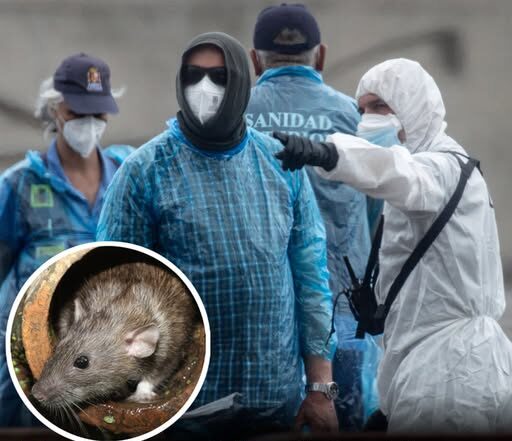
The incident quickly drew attention online after images circulated showing crew members and personnel wearing full protective suits and respirators during evacuation and transport procedures.
Health officials continue to emphasize that the protective measures are precautionary and do not indicate a large-scale outbreak aboard the vessel.
One Confirmed Case Triggers Expanded Tracing Efforts
One reported positive case involves an American passenger who had traveled aboard the ship. The case led authorities to begin expanded contact tracing and medical monitoring for additional passengers and individuals who may have been exposed.
Officials are now following travelers through the incubation period associated with hantavirus infections in order to determine whether any further cases develop.
Monitoring procedures are ongoing across multiple countries as health agencies coordinate passenger outreach, symptom tracking, and medical guidance.
Despite heightened concern online, authorities continue to stress that the situation is being managed as a precautionary public health response rather than an indication of widespread transmission.
Focus Turns to Possible Exposure in Argentina
The investigation is currently centered on a possible exposure event that reportedly occurred in Ushuaia, Argentina, before passengers boarded the cruise vessel.
A Dutch couple connected to the voyage is believed to have visited a landfill area known for significant rodent activity prior to joining the ship.
That location has become a major focus of the ongoing inquiry because hantavirus is commonly associated with rodents and environments contaminated by rodent waste.
Authorities are working to determine whether the suspected exposure may have occurred during that visit and whether other individuals could have encountered similar environmental risks.
Understanding Hantavirus Transmission
Hantavirus is a rare but potentially serious illness primarily linked to rodents.
The virus is most commonly transmitted when people inhale contaminated particles from rodent droppings, urine, or saliva. Enclosed or dusty environments where rodents are present can increase exposure risk.
Health officials continue to emphasize that hantavirus is not considered a pandemic-level threat.
Most infections are connected to direct environmental exposure rather than casual human interaction.
Authorities have also noted that person-to-person transmission is not considered the primary concern in this situation, which is why investigators are focusing heavily on the possible environmental exposure source.
Symptoms Remain a Key Concern During Monitoring Period
Medical monitoring efforts are continuing because symptoms may not appear immediately after exposure.
Health experts are observing passengers through the incubation window to identify any signs of illness that could emerge in the days ahead.
Typical symptoms associated with hantavirus can initially resemble common viral illnesses.
Reported symptoms may include fever, muscle aches, fatigue, headaches, and general flu-like discomfort.
In more severe cases, patients can develop respiratory complications, including shortness of breath.
Officials are encouraging passengers involved in the monitoring process to remain alert to any symptoms and seek medical guidance if health concerns develop.
International Coordination Expands Across Multiple Countries
The multinational nature of the expedition cruise has resulted in a broad international coordination effort involving numerous countries connected to passengers and tracing operations.
Countries reportedly linked to passenger monitoring or health follow-up efforts include Argentina, Spain, the United States, the Netherlands, France, the United Kingdom, Germany, Denmark, Switzerland, South Africa, Singapore, the Philippines, and Cape Verde.
Health authorities across these regions are reportedly sharing information and coordinating procedures as part of the ongoing precautionary response.
The global tracing effort reflects the complexity of managing health concerns connected to international travel, particularly when travelers disperse rapidly across multiple continents following a voyage.
Protective Measures Spark Online Attention
Public concern intensified after photographs and videos showed individuals involved in the response operation wearing respirators and full-body protective gear.
The images circulated widely online and fueled speculation about the seriousness of the incident.
Officials continue to explain that such protective equipment is commonly used during infectious disease precaution procedures and should not automatically be interpreted as evidence of uncontrolled spread.
Authorities have repeatedly urged the public to focus on verified health guidance rather than online speculation.
The emphasis from health agencies remains centered on monitoring, containment precautions, and public awareness.
Cruise Travel and Environmental Exposure Risks
Public health experts involved in discussions surrounding the incident have stressed that the broader issue is connected more closely to environmental exposure risks during travel rather than cruise ships themselves.
Travelers visiting remote regions, rural environments, or areas with visible rodent activity may face increased exposure to illnesses associated with wildlife and environmental contamination.
Experts commonly recommend avoiding locations where rodent infestations are visible or where signs of contamination are present.
Additional precautions often include exercising caution when entering dusty, enclosed, or poorly ventilated spaces that may contain rodent waste.
Travelers are also encouraged to follow local health guidance and remain aware of environmental conditions while visiting unfamiliar destinations.
Health Authorities Continue Advising Calm
Officials involved in the response continue to stress that awareness and precaution are more appropriate than panic.
The current monitoring process is intended to identify any potential additional cases early while allowing health agencies to respond quickly if symptoms emerge among passengers.
Authorities have not described the situation as a widespread outbreak.
Instead, the response remains focused on contact tracing, monitoring during the incubation period, and ensuring travelers receive appropriate medical information and support.
Passengers connected to the voyage are reportedly being advised to remain attentive to any flu-like symptoms that develop after potential rodent exposure.
Medical follow-up procedures remain active as officials continue gathering information and tracking developments linked to the expedition.
Ongoing Investigation Remains Active
The investigation surrounding the suspected hantavirus exposure aboard the MV Hondius remains ongoing as health authorities continue reviewing passenger movements and possible environmental exposure points.
Monitoring efforts are expected to continue through the incubation period associated with hantavirus infections.
International coordination between countries involved in passenger tracing also remains active while officials work to determine whether additional infections emerge.
At this stage, public health agencies continue emphasizing caution, symptom awareness, and preventive measures tied to environmental exposure risks.
The situation remains under close observation as travelers connected to the voyage continue medical follow-up procedures across multiple countries.