
Why Night Driving Feels More Blinding Than Ever
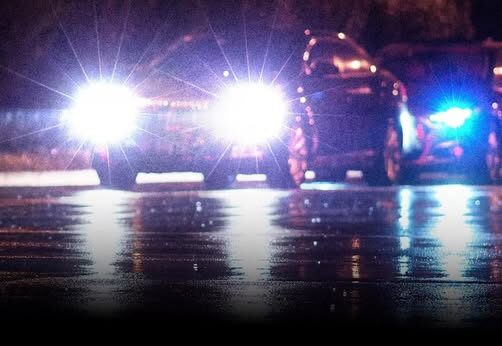
The glare arrives without warning. One moment the road is clear, and the next it vanishes behind a wall of white light.
Your hands grip the steering wheel tighter. For a brief instant, uncertainty takes over. Is it your eyesight failing, or have headlights truly become more intense?
This question echoes across highways and city streets every night. Millions of drivers share the same uneasy experience.
The Shift in Headlight Technology
Modern vehicles increasingly use LED headlights. These lights are engineered to provide stronger illumination and improve nighttime visibility.
Compared to older halogen bulbs, LED lights produce a whiter and more concentrated beam. The clarity can make road signs, lane markings, and obstacles easier to detect.
However, that same brightness can overwhelm the eyes of oncoming drivers. The intensity feels sharper, more piercing, and harder to ignore.
It’s Not Just About Brightness
Many drivers assume the issue is simply stronger light output. In reality, several factors combine to create the blinding effect.
Color temperature plays a significant role. LED headlights emit a cooler, whiter tone compared to the warmer glow of traditional bulbs.
This cooler light scatters differently in the atmosphere. In rain, fog, or mist, it can reflect more aggressively, amplifying glare.
Beam direction also matters. Even the most advanced headlights can become disruptive if improperly aligned.
The Eye-Level Effect
Glare becomes especially intense when headlights strike directly at eye level. This often happens with taller vehicles such as SUVs.
If those headlights are poorly adjusted, the beam may shine directly into the faces of approaching drivers. The result is temporary visual saturation.
For a split second, vision blurs. Details disappear, and hesitation sets in.
That moment of uncertainty can be unsettling. Instinctively, drivers slow down to regain clarity and control.
The Role of Aging Vehicles
It’s not only new technology contributing to the issue. Older vehicles can add to the problem when headlights are misaligned or improperly maintained.
Over time, suspension changes, uneven tire wear, or added vehicle weight can subtly shift beam direction.
Without regular checks, headlights may angle upward rather than toward the road surface. This increases glare for others while reducing effective visibility for the driver.
Weather Makes It Worse
Rain intensifies the glare effect. Wet pavement reflects light upward, multiplying the brightness that reaches your eyes.
Water droplets in the air scatter beams in unpredictable directions. Instead of illuminating the road ahead, light diffuses and creates a hazy wall.
In these conditions, even standard headlights can feel overwhelming. Combined with bright LED beams, the effect can become dramatic.
Fatigue and Eye Sensitivity
Tired eyes struggle more with intense light. After a long day, pupils react more slowly to sudden brightness.
This delay increases discomfort and prolongs the moment of visual disruption. Night driving after extended screen time can heighten the sensitivity even further.
While it may feel like vision is deteriorating, the experience often results from environmental and technological factors working together.
Small Adjustments, Big Difference
The situation may feel unavoidable, but it is not permanent. Several practical actions can significantly reduce glare-related stress.
Regular headlight alignment checks are essential. Ensuring beams are angled correctly protects both you and other drivers.
When carrying heavy loads, using the vehicle’s manual beam adjustment can prevent upward tilt. This simple step keeps light focused on the road rather than into oncoming traffic.
Cleanliness also matters. A spotless windshield—inside and out—minimizes light scattering and streaking.
Where to Focus Your Eyes
Looking directly into oncoming headlights intensifies the blinding effect. Instead, shifting your gaze slightly to the right can help.
By focusing on the edge of the road or lane markings, you preserve spatial awareness without exposing your eyes to direct glare.
This technique allows you to maintain control while protecting your vision during those bright encounters.
Technology Aiming to Solve the Problem
Automotive innovation continues to evolve. Many newer vehicles now include automatically adjusting headlights.
These systems adapt beam direction based on vehicle position and traffic conditions. Some even dim specific sections of the beam to avoid shining directly at oncoming drivers.
As these features become more widespread, nighttime driving may gradually feel less stressful.
A Shared Responsibility
Headlight glare is not solely the responsibility of manufacturers. Drivers also play a role in ensuring safe light usage.
Routine maintenance, proper alignment, and mindful driving habits contribute to a safer environment for everyone on the road.
Even small steps can reduce the cumulative impact of intense lighting across busy highways.
Adapting to the New Normal
Driving conditions continue to change as vehicle technology advances. What once felt normal may now seem harsh or overwhelming.
Recognizing the reasons behind the glare can replace doubt with understanding. It is rarely just about personal eyesight.
Instead, it is a combination of brighter beams, higher vehicle profiles, environmental reflections, and minor mechanical shifts.
Looking Ahead
The future of night driving is likely to bring further refinements. Smarter lighting systems promise improved balance between visibility and comfort.
With thoughtful design and consistent maintenance, roads can become not only clearer but calmer.
Until then, awareness remains the strongest tool. Understanding why headlights feel blinding is the first step toward reducing their impact.
The glare may still catch you by surprise, but it no longer has to leave you questioning your vision. With the right adjustments and habits, night driving can regain its sense of control and confidence.