
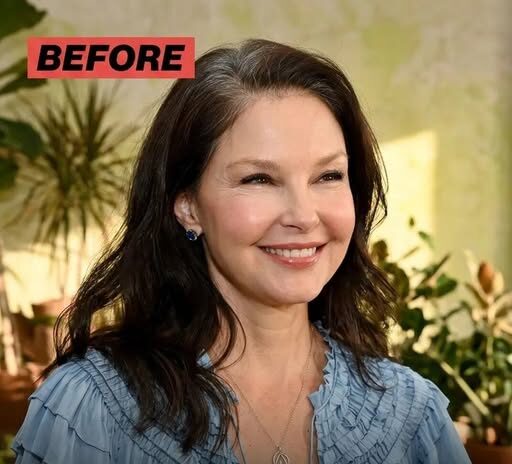
Why These Hollywood Stars Are Letting Their Gray Hair Show
From Silver Curls to Visible Roots, Familiar Faces Are Taking Different Approaches to Hair Color and Aging
A few silver strands can attract remarkable attention when they belong to a familiar Hollywood face. For women whose appearances have been photographed and discussed throughout their careers, allowing natural gray hair to show can become a public conversation almost overnight.
Yet the choices behind those changes are often personal and practical. Some actresses have stopped coloring their hair regularly. Others enjoy blending their natural strands with salon color, while some simply feel comfortable allowing their roots to appear between appointments.
Andie MacDowell, Jamie Lee Curtis, Jane Fonda, and other recognizable women illustrate how varied those decisions can be. Their experiences do not point toward a single rule about growing older. Instead, they show that personal style can continue changing without requiring everyone to follow the same path.
A Familiar Appearance Can Become an Expectation
Audiences often associate a celebrity with a particular hairstyle. A familiar color, cut, or texture can become part of how a performer is recognized, especially when that appearance has remained consistent across films, interviews, and public events.
When the look changes, attention can follow. Silver roots that might pass without comment in everyday life can become the focus of a photograph, a headline, or a long discussion among fans.
Some viewers welcome the change and appreciate seeing natural signs of aging. Others remain attached to the appearance they remember from earlier performances. Those reactions, however, do not explain why the woman herself made the decision.
Her reasons may involve convenience, curiosity, changing tastes, or simply enjoying the reflection she sees in the mirror. A photograph captures the result, but it rarely captures the whole process behind it.
Andie MacDowell Found a New Look During Lockdown
Andie MacDowell’s transition began during the pandemic, when disruptions to familiar routines gave her natural roots time to grow. Rather than immediately returning to her previous color, she discovered that she liked the developing salt-and-pepper appearance.
Her silver curls became a distinctive part of her public style. She also spoke about the discouragement she initially received from her representatives, who questioned the timing of the change.
MacDowell chose to continue. Her comments emphasized that the appearance felt right for her, and she playfully compared her silver-haired look with George Clooney’s.
Her experience offered a useful reminder that a familiar hairstyle does not have to remain permanent. Something that begins as a break from regular appointments can become a deliberate preference.
Jamie Lee Curtis Made Silver Part of Her Signature Style
For Jamie Lee Curtis, the move away from regular coloring began much earlier. Around 2000, she stopped maintaining her previous hair color, and her short silver hairstyle eventually became one of her most recognizable features.
Her example differs from the idea of a sudden transformation. Over time, the look became familiar in its own right, appearing as a consistent part of her public image rather than a temporary departure from it.
The combination of a short cut and silver color also demonstrates how closely different elements of a hairstyle work together. Color is only one part of the finished appearance.
A person can embrace natural gray while remaining attentive to shape, styling, and presentation. Allowing silver strands to show does not automatically mean losing interest in appearance.
Jane Fonda’s Silver Transformation Involved Careful Salon Work
Jane Fonda introduced a striking silver hairstyle at the 2020 Academy Awards. The appearance marked a noticeable change from the warmer shades audiences had become accustomed to seeing.
Her transformation involved a lengthy appointment with colorist Jack Martin. It was a professionally planned transition that worked with the natural roots already growing through her previously colored hair.
That detail complicates the assumption that embracing gray always means abandoning salon treatments. A silver result can involve considerable time, expertise, and styling.
Fonda’s experience shows that natural color and professional beauty work can coexist. The decision concerns the appearance someone wants to achieve, and there are different ways to reach it.
Salma Hayek Takes a Flexible Approach to White Strands
Salma Hayek has discussed her white hairs with humor rather than presenting them as a problem that always requires correction. She has shown visible strands and shared informal ways she sometimes disguises them.
Among those methods is using mascara to temporarily cover a few white hairs when she does not want to use permanent dye. Her remarks describe her own routine rather than a commitment to one unchanging look.
That flexibility is part of what makes her approach relatable. Feeling comfortable with natural strands does not prevent someone from covering them for a particular occasion.
A woman can enjoy visible gray one day and prefer a different finish another day. Neither choice cancels the other or requires a broader statement about beauty.
Christie Brinkley Has Shared the Decision as It Develops
Christie Brinkley has approached the subject by openly considering whether to let her gray roots grow. She asked followers for their thoughts and mentioned that her son liked the change.
Her comments captured a stage that often receives less attention than a completed transformation: deciding what to do next. People do not always know immediately whether they want to return to a familiar color or explore something different.
Family reactions can become part of that conversation, as can personal comfort and curiosity. Public feedback may offer encouragement, but the final choice remains individual.
Brinkley’s example also shows that changing hair color need not become a permanent declaration. Someone can experiment, reconsider, or make a different decision later.
Personal Choice Remains Central
Jennifer Aniston and Sarah Jessica Parker have emphasized the importance of individual decisions rather than rigid expectations about aging. Their inclusion in this conversation broadens it beyond the question of who has stopped coloring completely.
Visible gray can appear alongside other shades. Natural strands may be blended, highlighted, partially covered, or simply allowed to remain visible without becoming the defining feature of a hairstyle.
These possibilities leave room for women who enjoy salon color as well as those who would rather spend less time maintaining it. There is no need to treat the two preferences as competing standards.
The same freedom that allows someone to embrace silver should also allow someone to keep a color she enjoys. Personal choice loses its meaning if one expectation is merely replaced with another.
Silver Hair Appears in Different Settings and Styles
Helen Mirren has explained that her naturally light hair made the move toward white relatively straightforward. Her experience differs from that of someone transitioning from a much darker shade.
Glenn Close has shared relaxed moments with her silver hair moving in the wind, presenting a different setting from the carefully prepared red carpet. Ashley Judd has also encouraged women to enjoy life without allowing expectations about age and appearance to dominate it.
Together, these examples include polished public appearances and ordinary, informal moments. They demonstrate that silver hair belongs to no single personality, setting, or style.
It can be dramatic, understated, meticulously arranged, or casually worn. The variety matters more than the idea of a uniform celebrity trend.

A Hairstyle Does Not Need to Explain a Woman’s Entire Outlook
It is tempting to interpret every visible gray strand as a declaration about confidence, aging, or the entertainment industry. Sometimes those subjects are part of the decision, but sometimes the explanation is much smaller.
A person may be tired of frequent coloring appointments. She may like the emerging shade, want to experiment, or feel no particular urgency about covering her roots.
Likewise, a return to color does not necessarily signal regret. Hairstyles change, preferences develop, and different occasions can inspire different choices.
The most consistent connection among these women is the freedom to decide what suits them. Their photographs show familiar faces evolving, while their own accounts reveal that there is more than one comfortable way to do so.