
Joe’s Crab Shack–Style Crab Cakes: A Coastal Classic Made at Home
A Restaurant-Inspired Crab Cake for Home Kitchens
Crab cakes have long held a special place in American coastal cooking, offering a simple but flavorful way to highlight the natural sweetness of crab meat.
Among the most recognizable versions are crab cakes inspired by Joe’s Crab Shack, known for their rich seafood flavor, soft center, and lightly crisp outside.
This style of crab cake focuses on balance. The crab should remain the star, while the other ingredients support texture, moisture, seasoning, and structure.
Making crab cakes at home also gives cooks more control over freshness, portion size, and the final texture. With the right handling, they can feel special enough for a celebration but easy enough for a relaxed dinner.
The Importance of Choosing the Right Crab Meat
The most important ingredient in any crab cake is the crab meat itself. Lump crab meat is often preferred because it gives the cakes a tender texture and visible pieces of crab throughout.
Claw meat can also be used, especially for cooks who want a deeper, stronger crab flavor. Both options work well when handled gently and paired with the right binder.
The goal is not to hide the crab under heavy seasoning or too much filler. A good crab cake should still taste clearly like crab from the first bite to the last.
When preparing the mixture, the crab meat should be folded in carefully. Overmixing can break down the pieces and create a dense, pasty texture instead of a light, tender cake.
Ingredients That Build Flavor and Texture
Mayonnaise helps keep the crab cakes moist and tender. It adds richness without overpowering the seafood flavor.
Egg works as a binder, helping the mixture hold together during shaping and cooking. Without enough binding, the cakes may fall apart in the pan or on the baking sheet.
Breadcrumbs or crushed crackers provide structure. They absorb some of the moisture and help the patties keep their shape.
Old Bay seasoning gives the crab cakes a classic seafood flavor. Another seafood spice blend can be used, but the seasoning should be added with care so the crab remains the main focus.
Dijon mustard brings a mild tang that cuts through the richness. Worcestershire sauce adds savory depth, while lemon juice brightens the mixture and gives the finished cakes a fresher taste.
Fresh parsley can be added for color and a light herbal note. It should be used sparingly so it does not distract from the crab.
How to Prepare the Crab Cake Mixture
The base of the mixture begins with mayonnaise, egg, Dijon mustard, Worcestershire sauce, and lemon juice. These ingredients should be whisked together until smooth before the crab is added.
Seasonings and breadcrumbs are then stirred into the wet mixture. This step helps distribute flavor evenly before the delicate crab meat goes into the bowl.
Once the crab is added, the mixture should be folded rather than stirred aggressively. Gentle folding keeps larger crab pieces intact and gives the final crab cakes a better texture.
The mixture should feel moist but not loose. If it feels too wet, a small amount of breadcrumbs or crushed crackers can help firm it up.
If it feels dry or overly bready, the balance may have shifted too far away from the crab. The best crab cakes have enough structure to hold together but still remain soft inside.
Shaping the Crab Cakes
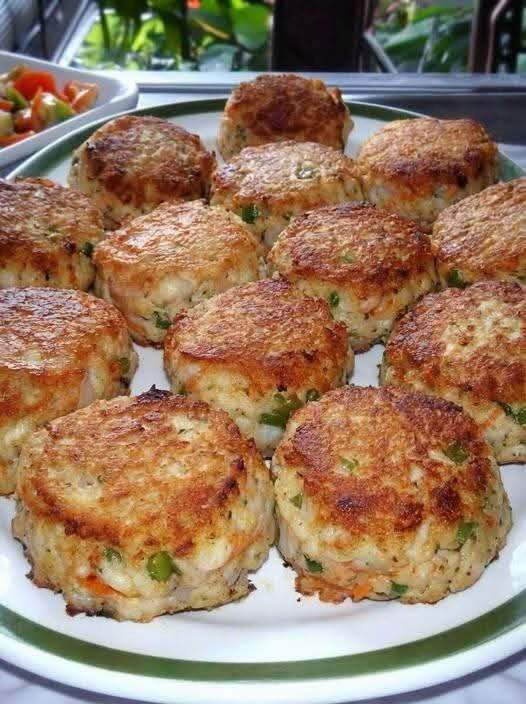
After mixing, the crab mixture can be formed into patties about three inches wide and one inch thick. This size gives each cake enough thickness to stay tender inside while browning on the outside.
The cakes should be placed on a parchment-lined baking sheet after shaping. This keeps them from sticking and makes them easier to move before cooking.
Refrigerating the formed patties for at least 30 minutes is an important step. Chilling helps the mixture firm up and lowers the chance of the cakes breaking apart during cooking.
This resting time also allows the ingredients to settle together. The result is a crab cake that is easier to handle and more likely to cook evenly.
Pan-Frying for a Classic Finish
Pan-frying is the classic restaurant-style method for crab cakes. It creates a golden exterior while keeping the center moist and tender.
A non-stick or cast-iron skillet works well for this method. A small amount of oil should be heated over medium heat before the patties are added.
The crab cakes should cook until golden brown on one side, then be turned carefully and browned on the other side. Gentle handling is important because the cakes are delicate.
The goal is a lightly crisp surface, not a hard crust. Once the crab cakes are golden and heated through, they should be removed from the pan.
Baking as a Lighter Option
Baking is a good choice for cooks who want a lighter preparation. It also makes it easier to cook several crab cakes at once.
The crab cakes can be placed on a greased baking sheet and baked until heated through and lightly browned. This method uses less oil than pan-frying while still producing a satisfying result.
For extra color, the crab cakes can be broiled briefly at the end. This should be done carefully, since the tops can brown quickly.
Baked crab cakes may have a softer exterior than pan-fried ones, but they can still deliver excellent flavor and a tender texture.
How to Get the Perfect Texture
The best crab cakes are moist inside, lightly crisp outside, and filled with visible pieces of crab. Achieving that texture depends on balance.
Too many breadcrumbs can make the cakes dry and heavy. Too few can make them fragile and difficult to cook.
The mixture should hold together when shaped but should not feel stiff. A crab cake that feels overly firm before cooking may turn out dense after heating.
Cooking time also matters. Crab cakes should be removed once they are golden and warmed through.
Overcooking can dry out the interior and reduce the delicate quality that makes crab cakes appealing. Close attention during cooking helps protect both flavor and texture.
Sauces That Pair Well With Crab Cakes
Classic tartar sauce is a familiar pairing for crab cakes. Its creamy texture and tangy flavor work well with the richness of the crab.
Remoulade is another strong choice, especially for those who prefer a bolder sauce. It can add extra seasoning and a more pronounced savory finish.
A lighter option is lemon aioli or a simple squeeze of fresh lemon. Lemon adds brightness and keeps the dish from feeling too heavy.
The sauce should complement the crab cakes rather than cover them. A small amount is usually enough when the cakes are well seasoned.
Side Dishes for a Complete Meal
Crab cakes can be served with several simple sides. Coleslaw adds crunch and freshness, making it a natural match for a rich seafood dish.
Seasoned fries offer a more casual restaurant-style plate. Roasted vegetables create a warmer, heartier meal without competing with the crab.
A crisp salad is another good option, especially when the crab cakes are served as a lighter dinner. The contrast between fresh greens and warm crab cakes gives the plate balance.
Because crab cakes are flavorful on their own, the sides do not need to be complicated. Clean, simple accompaniments often work best.
Easy Flavor Variations
Crab cakes can be adjusted depending on personal taste. A small amount of hot sauce can add heat without changing the basic character of the dish.
Jalapeño can also be mixed in for a sharper, spicier version. It should be added carefully so it does not overpower the crab.
A touch of butter can bring extra richness to the mixture. This can make the crab cakes feel more indulgent, especially when served for a special meal.
Panko breadcrumbs can create a lighter texture, while crushed crackers offer a more traditional feel. Both can work well depending on the final texture desired.
Serving Crab Cakes in Different Ways
Crab cakes can be served as a main course for a dinner that feels elegant but approachable. With a sauce and a simple side, they can become the centerpiece of the meal.
They also work well as appetizers. Smaller crab cakes can be served with dipping sauces for gatherings, parties, or holiday meals.
For a casual twist, crab cakes can be served on a toasted bun with lettuce, tomato, and sauce. This turns them into a seafood sandwich that still keeps the crab flavor at the center.
Whether served plated, bite-sized, or as a sandwich, the same rule applies: the crab cake should be tender, flavorful, and not overwhelmed by extras.
A Coastal Favorite Worth Making at Home
Joe’s Crab Shack–style crab cakes bring together the comfort of a familiar seafood favorite with the satisfaction of home cooking.
The dish depends on simple ingredients, careful mixing, proper chilling, and attentive cooking. None of the steps are complicated, but each one helps create a better result.
By using good crab meat, keeping the binder balanced, and avoiding overmixing, home cooks can prepare crab cakes with a tender center and lightly crisp exterior.
The finished dish can be dressed up for special occasions or kept casual for a weeknight meal. Its flexibility is part of what makes crab cakes such a lasting coastal classic.
With the right preparation, homemade crab cakes can deliver the same kind of rich crab flavor and satisfying texture that make restaurant versions so memorable.