Tyler Perry’s Rise From Hardship to Historic Success
Tyler Perry has built one of the most remarkable careers in modern entertainment. Over the course of several decades, he transformed himself from a struggling playwright into a filmmaker, producer, director, and studio owner whose work has reached audiences across theater, television, and cinema.
His influence extends beyond box office numbers and business achievements. Perry’s story is also defined by endurance, determination, and the ability to build a meaningful legacy despite painful early challenges.
Today, he is widely recognized as one of Hollywood’s most successful creators, with a fortune estimated at around $1 billion. That level of success did not arrive quickly or easily. It was shaped by years of effort, setbacks, and personal growth.
Early Life and the Start of a Creative Vision
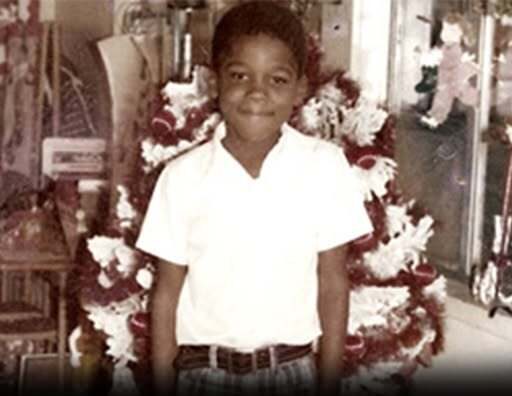
Born in New Orleans in 1969, Perry did not begin his career through the traditional Hollywood system. He was not introduced through major studio backing or immediate mainstream attention. Instead, he built his audience gradually through live stage productions.
Those plays became the foundation of everything that followed. They spoke directly to viewers who saw their own family struggles, personal faith, emotional wounds, and hopes reflected on stage. That connection became one of the defining strengths of Perry’s work.
At a time when many people felt overlooked by the entertainment industry, Perry focused on stories that centered everyday realities. His productions explored themes that audiences understood deeply, and that grassroots connection helped his name spread from one city to another.
What began as touring stage plays eventually became something much larger. Perry’s work expanded into television and film, and he steadily evolved from performer into a creative leader with control over multiple parts of the production process.
Building an Audience Outside the Traditional System
One of the most important parts of Perry’s success was the way he built his career from the ground up. Rather than waiting to be embraced by established industry structures, he created material for audiences who were ready to support stories that felt familiar and emotionally honest.
That early loyalty gave him momentum. As his plays gained recognition, his reach widened, and his work moved into other forms of media. Over time, his creative identity became closely tied to stories about family, resilience, and moral conflict.
His approach proved that a strong relationship with an audience could become the basis for a lasting entertainment empire. Perry did not simply achieve visibility. He created a durable business model around stories that connected with people in a direct and personal way.
That growth would eventually lead to one of the biggest milestones of his career: the creation of Tyler Perry Studios in Atlanta, one of the largest production facilities in the United States.
The Madea Phenomenon and a Defining Creative Signature
Among Perry’s most recognizable accomplishments is the creation of Madea, a fictional character who became central to his stage and screen success. The character developed into a major franchise and helped establish Perry as a powerful commercial force in entertainment.
Madea’s popularity gave Perry a highly visible brand, but it also demonstrated his ability to turn a single creative concept into a wide-reaching series of projects. Across different productions, the franchise generated hundreds of millions of dollars and played a major role in cementing his public profile.
The success of these projects did more than produce financial returns. It showed that Perry had built something unusually durable, with an audience that followed his work across formats and over time.
That level of support gave him the freedom to expand his ambitions and to develop a body of work that reached far beyond one character or one franchise.
A Childhood Shaped by Painful Experiences
Behind Perry’s professional achievements is a personal history marked by hardship. He has spoken publicly about growing up in a home filled with fear and instability, describing a childhood that left lasting emotional effects.
In interviews, including a widely discussed appearance with Oprah Winfrey, Perry reflected on the difficult treatment he experienced from his father. He described an environment that was often harsh and deeply distressing, with incidents that stayed with him long into adulthood.
“To this day, I don’t know why he did it… I remember him cornering me in a room and hitting me with a vacuum cleaner cord… I had to wait for him to go to sleep.”
Perry has also shared that his early years included sexual abuse by multiple adults. These experiences shaped the way he understood safety, trust, and survival as a young person, and they became part of the emotional burden he carried into later life.
Although those memories are painful, Perry has discussed them in the context of healing and recovery. His willingness to speak openly about them has made his story resonate with many people who understand the long-term impact of trauma.
The Long Process of Healing
Perry has often framed healing as a gradual and demanding process. He has spoken about the challenge of separating his identity from the painful events he experienced, and of refusing to let those events define the rest of his life.
“I think that everyone who’s been abused… there is a string to the puppet master… At some point, you have to be responsible for them… I was able to free myself and understand that even though these things happened to me, it was not me.”
That outlook became a key part of his personal transformation. Rather than allowing childhood suffering to remain the central force in his life, Perry focused on reclaiming control over his future. He has described that shift as essential to understanding himself in a new way.
Faith also played an important role in that journey. Perry has credited his mother and her presence in church as one of the few stabilizing influences in his early life. In the middle of chaos and uncertainty, that spiritual foundation gave him something steady to hold onto.
He has acknowledged that there were moments when the weight of those experiences felt overwhelming. Yet what followed was a slow rebuilding of purpose, direction, and emotional strength.
Failure, Financial Struggles, and Homelessness
Perry’s rise to success was not immediate after he began pursuing entertainment. In the early 1990s, he poured his savings into his first stage production, believing in the power of the work he was creating.
The result was a major disappointment. The play failed financially, and the outcome was devastating. But rather than walking away, Perry tried again, determined to keep going even when the results remained discouraging.
Those repeated setbacks eventually left him without stable housing. For a period of time, he was homeless and living out of his car while continuing to rewrite, produce, and perform his plays.
“I spent all my money to put this play up, and it didn’t work… I ended up homeless… For three months, I lived in a Geo Metro.”
That chapter of his life revealed the depth of his persistence. Even when he was facing financial collapse, he continued refining his work and looking for a path forward. It was an extraordinary gamble, and for a time, there was little evidence that it would pay off.

The Turning Point That Changed Everything
Eventually, the tide began to turn. Audiences started returning to his productions, and the word spread more widely. The same stage plays that had once struggled to find support began attracting stronger crowds and building momentum.
That shift changed the direction of Perry’s life. The projects that had produced financial loss became the foundation of real success, and the audience he had worked so hard to reach responded with growing loyalty.
With that support came opportunity. Perry’s career started moving upward at a much faster pace, opening the door to larger productions, television work, film projects, and eventually full-scale studio leadership.
His story from that point forward was no longer just about survival. It became a story about expansion, influence, and the creation of a lasting business and creative legacy.
From Creator to Industry Powerhouse
As Perry’s platform grew, so did his role within the industry. He became known not just as a performer or writer, but as a creator with the ability to oversee projects from conception to completion. That level of control allowed him to shape his own path in a way few people in entertainment achieve.
The creation of Tyler Perry Studios in Atlanta reflected the scale of that achievement. Establishing one of the largest production facilities in the country was not just a business milestone. It was a clear sign that Perry had moved from fighting for space in the industry to building one of his own.
His success also carried symbolic weight. It demonstrated what could happen when someone with a clear vision, a loyal audience, and relentless determination chooses to keep building despite repeated rejection and hardship.
That is part of why Perry’s story continues to stand out. It is not only about fame or wealth. It is about ownership, independence, and the refusal to accept narrow limits on what was possible.
Philanthropy and a Broader Sense of Responsibility
Perry’s impact reaches beyond entertainment. Through The Perry Foundation, he has supported work related to community development, education, and crisis relief. Those efforts reflect a broader sense of obligation that he has repeatedly emphasized.
“When you’ve been given a lot, you have to do a lot.”
That statement captures an important part of how Perry sees success. In his view, achievement is not simply something to enjoy privately. It also carries responsibility toward other people, especially those facing hardship or instability.
His public image, therefore, is shaped not only by creative output but also by the idea of giving back. That added dimension has helped define his legacy as something larger than a list of film and television credits.
A Legacy Defined by More Than Wealth
Tyler Perry’s life story cannot be reduced to one simple category. It includes major financial achievement, but it also includes years of struggle, emotional pain, and repeated setbacks. It is a story of ambition, but also of healing.
What makes his journey especially striking is the contrast between where he began and what he eventually built. From childhood instability to homelessness, and from failed productions to a billion-dollar fortune, the distance is extraordinary.

Even so, the most powerful part of Perry’s story may not be the scale of his success. It may be the fact that he continued moving forward despite experiences that could easily have broken his sense of self and direction.
His career remains a reminder that public achievement often sits on top of private struggle. In Perry’s case, that struggle is part of what gives his legacy such emotional depth and lasting meaning.
An Enduring Story of Survival and Reinvention
Tyler Perry’s place in entertainment history is secure. He changed the business through persistence, audience connection, and a model of creative ownership that reshaped what success could look like.
But his story resonates for another reason as well. It reflects the possibility of rebuilding after pain, of turning setbacks into momentum, and of creating a life that is not controlled by its earliest wounds.
That is why his journey continues to matter far beyond film, television, or financial headlines. It stands as a story about endurance, identity, and the determined effort to reclaim one’s future.
In that sense, Perry’s legacy is not only about what he produced. It is also about what he overcame, and how he turned that difficult history into purpose, achievement, and lasting cultural impact.