
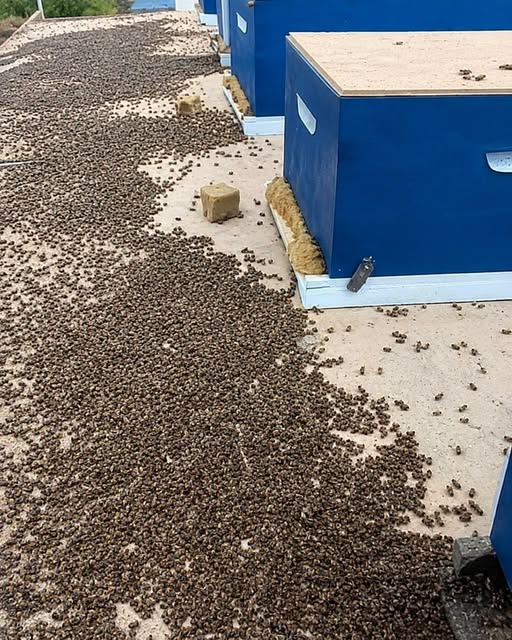
Bees Face Growing Threats as Habitat Loss and Pesticides Put Pollination at Risk
Why the Decline of Bees Matters Far Beyond the Hive
Bees are facing growing pressure from harmful pesticide exposure, disappearing habitats, deforestation, and shrinking supplies of the flowers they depend on for food. The problem extends far beyond individual colonies because bees play an important role in helping flowering plants reproduce.
Healthy pollinator populations support biodiversity and contribute to the growth of many crops that provide variety and nutrition in human diets. When bees struggle, the effects can spread through farms, natural habitats, and the wildlife communities that rely on flowering plants.
The decline of suitable nesting areas and flower-rich environments can make survival increasingly difficult for both managed colonies and wild bee populations. Without reliable places to feed and nest, bees may be forced to survive in landscapes that offer fewer of the resources they need.
The consequences are not limited to honey production. Pollination connects bees with a much larger network of plants, crops, wildlife, farms, and ecosystems.
Bees Support the Reproduction of Flowering Plants
Bees help many flowering plants reproduce by carrying out pollination. That process supports the continued growth of plant communities and contributes to the biodiversity found across natural and agricultural environments.
Many crops also benefit from pollination, helping provide foods that bring greater variety and nutrition to meals. This makes the condition of bee populations closely connected with the health and resilience of food systems.
When pollination becomes weaker, harvests can be affected. The impact can then move beyond farms because wildlife also depends on healthy plant communities for the resources needed to survive.
A decline in bees therefore represents more than a problem for beekeepers. It can become a wider ecological concern involving plants, agricultural production, and the animals that depend on functioning habitats.
Pesticide Exposure Creates Additional Pressure
Harmful pesticide exposure is one of the pressures making survival more difficult for bees. Chemicals used in environments where pollinators feed can create risks for insects already dealing with habitat loss and reduced food availability.
Reducing harmful chemical exposure is therefore an important part of protecting pollinators. Limiting unnecessary risks can help create environments where bees have a better chance of continuing their essential role.
Pollinator-friendly farming methods can also contribute to this effort. Agricultural practices that consider the needs of bees can support both food production and the insects involved in pollinating many plants.
The challenge requires balancing productive farming with protection of the ecological systems that help support agriculture itself. Pollination is part of that relationship.
Habitat Loss Reduces Food and Nesting Opportunities
The disappearance of suitable habitat creates another major challenge. Bees need access to flowers for food and appropriate places where they can nest and survive.
When flower-rich areas are removed, food sources become more limited. When nesting sites disappear, bees face additional difficulty establishing and maintaining populations.
Deforestation contributes to the broader loss of habitats available to pollinators. As landscapes change, areas that once supported diverse plant and insect life can become less suitable for bees.
Restoring habitats can therefore provide an important form of protection. Creating environments with diverse native flowers can give pollinators additional places to find food while contributing to healthier plant communities.
Wild Bees Need Protection Alongside Managed Colonies
Efforts to protect pollinators must include wild bees as well as managed honeybee colonies. Wild bee populations also depend on healthy habitats, food sources, and suitable nesting areas.
Habitat conservation is especially important because wild bees cannot depend on human-managed hives for protection. Their survival remains closely connected to the condition of the environments around them.
Protecting flower-rich landscapes can support these populations by giving them access to the resources necessary for feeding and reproduction. Diverse habitats can also help sustain the wider plant communities that benefit from pollination.
Focusing only on managed hives would leave an important part of the pollinator population vulnerable. A broader approach recognizes the importance of both managed and wild bees.
Restoring Native Flowers Can Make a Difference
One practical step is restoring areas with diverse native flowers. More flowering plants can provide bees with additional feeding opportunities and help replace some of the resources lost when habitats disappear.
Flower-rich environments can support pollinators while also strengthening the plant communities that depend on them. This relationship can create benefits that extend through an ecosystem.
For communities, restoring native flowers can become part of a wider effort to make local environments more supportive of pollinators. For farmers, similar approaches can be incorporated into pollinator-friendly agricultural practices.
The goal is not simply to create more flowers, but to rebuild environments where bees can find dependable food and safer places to survive.
Monitoring Bee Health Can Reveal Emerging Problems
Monitoring bee health is another important part of protecting pollinators. Observing changes in colonies and bee populations can help identify developing problems before they become more difficult to address.
Information about bee health can also help farmers, beekeepers, and communities understand where additional protection may be needed. Changes in survival, feeding conditions, or habitat availability can provide useful warning signs.
Monitoring alone cannot solve the threats facing bees, but it can support better responses. Understanding when and where problems are developing makes it easier to direct conservation and care efforts toward areas of concern.
This type of attention is particularly valuable when bees are already facing several pressures at the same time.
Responsible Beekeepers Can Support Local Pollinator Care
Beekeepers can play an important role in caring for managed bee colonies. Supporting responsible beekeeping can strengthen local efforts to maintain healthy hives and monitor the condition of pollinators.
Well-run hive-adoption programs can also provide support for responsible beekeepers. When properly managed, these programs can contribute to local care efforts and help maintain attention on bee health.
Managed colonies, however, represent only one part of the broader issue. Their protection should work alongside conservation efforts designed to preserve habitats for wild bees.
A strong pollinator strategy therefore combines responsible hive management with actions that protect the natural environments bees depend on.
Farmers Have an Important Role in Pollinator Protection
Farmers operate directly within landscapes where pollinators and food production often intersect. Pollinator-friendly farming methods can reduce unnecessary pressure on bees while supporting environments where flowering plants remain available.
Reducing harmful chemicals is one part of that effort. Maintaining or restoring diverse flowering areas can provide another layer of support.
These actions recognize that pollinators contribute to agricultural systems rather than existing separately from them. Protecting bees can therefore be viewed as part of building more resilient farms and food production systems.
When pollinator health is considered alongside agricultural needs, farms can contribute to protecting the ecological relationships that support many crops.
Communities and Consumers Can Also Contribute
The responsibility for protecting bees does not belong only to farmers or beekeepers. Communities and consumers can also support efforts that improve pollinator habitats and encourage responsible environmental practices.
Restoring native flowers, supporting responsible beekeeping, and recognizing the importance of habitat conservation can all contribute to a larger culture of pollinator protection.
Individual actions may appear small when compared with widespread habitat loss or pesticide exposure, but broader change often depends on many people supporting practices that reduce pressure on vulnerable species.
The continued survival of bees depends on whether landscapes provide enough food, nesting opportunities, and protection from harmful conditions.
The Impact Reaches Wildlife and Entire Ecosystems
Bees form part of a larger ecological network. By helping flowering plants reproduce, they support plant communities that can also provide resources for wildlife.
When pollination is weakened, the effects can move through these relationships. Reduced plant reproduction can influence the health of habitats and the animals that depend on them.
This is why protecting bees should not be treated as an isolated conservation issue. Pollinators contribute to systems that connect plants, animals, agriculture, and human food production.
Maintaining healthy bee populations can help strengthen these interconnected systems and improve their ability to withstand environmental pressure.
Protecting Pollinators Means Protecting the Future of Food Systems
The growing challenges facing bees highlight the importance of practical action. Concern alone cannot replace the habitats that have disappeared or reduce harmful exposure to chemicals.
Protecting pollinators requires reducing harmful pesticides, encouraging bee-friendly agricultural practices, conserving habitats, restoring diverse native flowers, monitoring bee health, and supporting responsible beekeepers.
Wild bees must remain part of those efforts because their survival depends heavily on habitat conservation. Managed colonies can receive direct human care, but wild populations require healthy landscapes in which they can continue feeding and nesting.
For farmers, communities, consumers, and beekeepers, protecting bees represents an investment in stronger ecosystems and more resilient food systems.
The warning signs surrounding pollinator decline extend far beyond the hive. Bees support flowering plants, contribute to biodiversity, assist many crops, and help sustain plant communities that wildlife depends on.
Protecting them means preserving the relationships that connect farms with ecosystems and present-day choices with the resources future generations will inherit.