
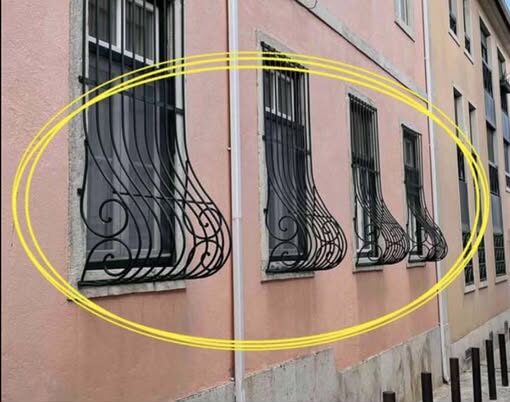
Why Some Window Bars Curve Outward: The Practical Purpose Behind “Potbellied” Designs
A small detail with a big story
At first glance, window bars may seem like a simple security feature. But in many homes, especially in older neighborhoods, some window bars stand out with a distinct outward curve.
These slightly bulging designs, often referred to as “potbellied” window bars, are more than just decorative elements. They serve practical purposes while adding character to a building’s exterior.
What may appear to be a stylistic choice is actually the result of thoughtful design that balances safety, convenience, and visual appeal.
The original purpose of window bars
Window bars were initially created to improve home security. Their primary role is to help prevent unauthorized entry while still allowing windows to remain open for ventilation.
This simple function has made them a common feature in many parts of the world, particularly in urban areas where homes are close together.
Over time, however, these practical structures evolved beyond their original purpose.
Designers and homeowners began to explore ways to make them more useful and visually appealing.
How the “potbelly” shape adds functionality
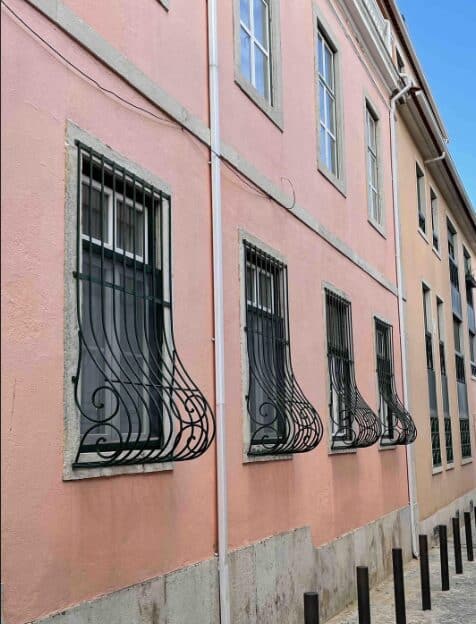
The outward curve in potbellied window bars creates additional space between the window and the bars themselves.
This extra room makes the design more versatile compared to flat, traditional bars.
Instead of sitting tightly against the window, the curved shape allows for added flexibility in how the space is used.
This simple adjustment transforms the bars from a purely protective feature into a multi-purpose addition to the home.
A natural fit for flower boxes
One of the most popular uses for potbellied window bars is supporting flower boxes.
The curved design creates a stable platform where plants can sit securely without interfering with the window.
In many cities, especially those with historic architecture, these bars often hold colorful arrangements of flowers and greenery.
This combination of metalwork and plants adds warmth and charm to building exteriors, creating a welcoming and lively appearance.
It allows homeowners to incorporate natural elements into their space without sacrificing safety.
Supporting practical household needs
Beyond aesthetics, potbellied window bars also offer practical benefits for everyday living.
In homes or apartments without central cooling systems, window-mounted units are often necessary.
The curved design provides extra clearance, allowing these units to fit comfortably without requiring the removal of the bars.
This means residents can maintain airflow and comfort while keeping a layer of protection in place.
The design demonstrates how small adjustments can solve common household challenges in a simple way.
A range of styles and materials
Potbellied window bars are available in a wide variety of designs, making them suitable for different architectural styles.
Some feature clean, modern lines, while others showcase intricate patterns that reflect traditional craftsmanship.
The choice of material also plays an important role. Options such as wrought iron and galvanized steel are often preferred for their durability and resistance to outdoor conditions.
These materials help ensure that the bars remain strong and reliable over time.
Homeowners can select designs that complement their building while still meeting practical needs.
The importance of proper installation
While design and material are important, installation is equally critical.
Properly installed window bars provide security without creating unnecessary risks.
If installed incorrectly, they can reduce effectiveness or create safety concerns, particularly in emergency situations.
Working with experienced professionals can help ensure that the bars are securely fitted and meet safety considerations.
This step is essential for maintaining both protection and peace of mind.
Part of a broader approach to home safety
Although window bars offer an additional layer of security, they are most effective when used as part of a wider safety approach.
Other measures, such as strong doors, adequate lighting, and general awareness, can help create a more secure environment.
Combining multiple elements allows homeowners to build a balanced and reliable system.
In this context, potbellied window bars act as one component within a larger plan.
Their value comes from how they contribute alongside other protective features.
Blending practicality with visual appeal
One of the most notable aspects of potbellied window bars is how they combine function with style.
They demonstrate that practical features do not have to be purely utilitarian.
With thoughtful design, even security elements can enhance the overall look of a home.
The addition of plants, decorative patterns, or carefully chosen materials allows these bars to become part of the building’s identity.
This balance between usefulness and appearance makes them a lasting design choice in many regions.
A closer look at everyday design details
Features like potbellied window bars often go unnoticed, even though they serve multiple purposes.
They reflect how small design decisions can improve daily living in subtle but meaningful ways.
From providing space for plants to accommodating household needs, their benefits extend beyond what is immediately visible.
Understanding these details helps reveal the thought and practicality behind common architectural elements.
It also highlights how design can evolve to meet changing needs while maintaining its original purpose.
Conclusion
Potbellied window bars are a clear example of how function and design can work together.
Originally created for security, they have adapted to offer additional convenience and visual appeal.
Their curved shape provides space, flexibility, and opportunities for creative use without compromising their primary role.
Whether supporting plants or accommodating everyday needs, they show how even small features can make a meaningful difference.
Looking more closely at details like these reveals that practical design often carries both purpose and character.