
Why Chocolate Sometimes Looks Dusty: Understanding Bloom and What It Means
When chocolate doesn’t look quite right
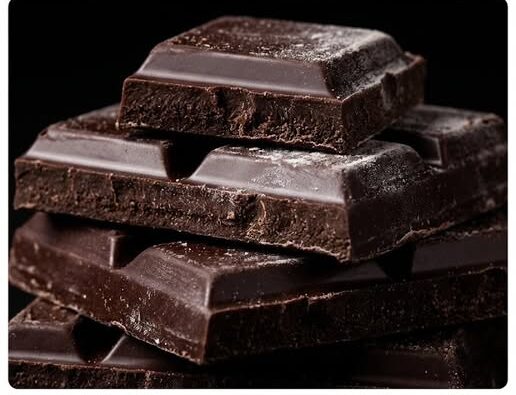
You unwrap a piece of chocolate and notice something unusual. Instead of a smooth, glossy surface, there is a pale coating or grayish layer on top.
At first glance, it can seem like the chocolate has gone bad. The texture may look dry or uneven, and the color may appear slightly off.
This common change often raises concerns, especially if you were expecting a fresh, rich appearance.
In most cases, however, there is no need to worry. What you are seeing is a natural process that affects appearance more than anything else.
What that coating actually is
The white or grayish layer on chocolate is known as “bloom.”
Bloom occurs when certain components inside the chocolate move to the surface over time. This change can happen during storage, especially when conditions are not ideal.
Although it may alter how the chocolate looks, bloom does not mean that the product is unsafe.
Understanding why this happens can help prevent unnecessary waste and confusion.

Two main types of chocolate bloom
There are two common forms of bloom, and each has a different cause. Recognizing the difference can make it easier to identify what has happened to your chocolate.
Sugar bloom: a powdery surface
Sugar bloom usually appears as a white, dusty layer on the chocolate’s surface.
This happens when moisture comes into contact with the chocolate. The sugar dissolves slightly, and when the moisture evaporates, it leaves behind small crystals.
The result is a rough or grainy texture that may feel different from the original smooth finish.
This type of bloom is often linked to humid environments or improper storage conditions.
Fat bloom: a smooth gray coating
Fat bloom looks different from sugar bloom. Instead of a powdery layer, it appears as smooth gray streaks or patches.
This occurs when chocolate is exposed to temperature changes. When it warms and then cools again, the cocoa butter inside can rise to the surface.
As it settles, it creates a dull or uneven appearance.
Fat bloom is one of the most common forms seen when chocolate is stored in fluctuating temperatures.
Is bloomed chocolate safe to eat?
In most cases, the answer is yes. Chocolate that has developed bloom is still safe to consume.
The changes caused by bloom affect the look and sometimes the texture, but they do not make the chocolate harmful.
It may not have the same smooth feel or rich appearance, but it remains usable.
This means that chocolate with bloom does not need to be thrown away simply because it looks different.
When you should avoid eating it
While bloom itself is harmless, there are situations where chocolate should not be consumed.
If the chocolate has an unusual or unpleasant smell, it may no longer be good.
Visible signs of mold are another clear indication that it should be discarded.
If the taste seems off or if fillings inside the chocolate appear spoiled, it is safer to avoid eating it.
These signs are unrelated to bloom and indicate a different issue.
Why appearance matters in stores
Even though bloomed chocolate is generally safe, it is rarely sold in this condition.
Retailers and chocolatiers focus on maintaining a smooth, glossy finish because it represents quality.
A dull or uneven appearance can give the impression that the product is old or poorly stored.
For this reason, chocolate that develops bloom is often removed from display.
However, it may still be used in other ways, particularly in recipes where appearance is less important.
How to prevent chocolate bloom
Proper storage is the best way to reduce the chances of bloom forming.
Chocolate should be kept in a cool, dry place where temperature remains stable.
Avoid exposing it to humidity, as moisture can trigger sugar bloom.
Frequent temperature changes should also be avoided, since they can lead to fat bloom.
Maintaining consistent conditions helps preserve both the texture and appearance.
Ideal storage conditions
Chocolate is best stored at a temperature between 15°C and 18°C (59°F to 64°F).
This range helps maintain its structure and prevents the internal ingredients from separating.
Refrigeration is not always recommended, as it can introduce moisture and cause condensation when the chocolate is removed.
If refrigeration is necessary, careful packaging can help reduce exposure to humidity.
Consistency is key to keeping chocolate in its best condition.
Can bloomed chocolate be restored?
In many cases, bloomed chocolate can be improved through melting.
When melted and allowed to set properly, the ingredients can redistribute evenly.
This process can restore a smoother texture and appearance.
Because of this, bloomed chocolate is often used for baking, cooking, or dessert preparation.
It remains a useful ingredient even if it no longer looks perfect.
Understanding the change
Bloom is simply a natural change in the structure of chocolate over time.
It does not indicate contamination or spoilage on its own.
By understanding what causes it, it becomes easier to recognize when chocolate is still suitable for use.
This knowledge can help reduce unnecessary disposal and make better use of available food.
It also highlights how sensitive chocolate can be to its environment.
Conclusion
Chocolate that develops a dusty or grayish coating may not look as appealing, but it is usually still safe to eat.
The change is caused by either sugar or fat moving to the surface, depending on storage conditions.
While the appearance and texture may be affected, the chocolate itself remains usable in most situations.
With proper storage and handling, bloom can often be avoided.
And when it does happen, it serves as a reminder that even small changes in environment can influence how food looks and feels.
Common questions
Chocolate bloom is a natural process where sugar or fat rises to the surface, creating a visible coating.
The white layer seen on chocolate is usually not mold, but a result of sugar bloom.
Bloom may slightly affect texture, making chocolate feel less smooth, but it does not make it unsafe.
Bloomed chocolate can still be used in cooking or baking without issue.
Storing chocolate in a stable, cool, and dry environment helps prevent these changes.