
The Hidden Meaning Behind a Common Sitting Habit
A Simple Gesture with Deeper Layers
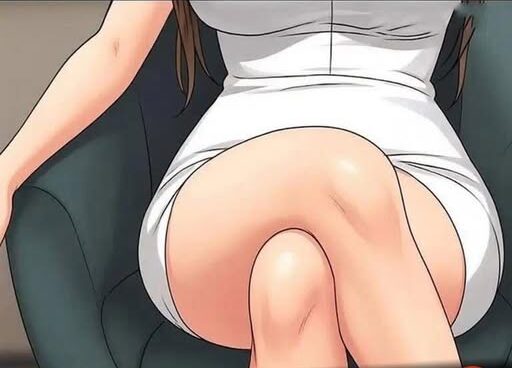
At first glance, crossing one’s legs while seated may seem like an ordinary and automatic action. It is a posture many people adopt without a second thought, often as part of everyday routines. Yet beneath this seemingly simple habit lies a complex mix of comfort, learned behavior, and subtle communication.
This common sitting position is not merely a random choice. It reflects a combination of physical ease, cultural influence, and psychological expression that develops over time. What appears to be a minor gesture often carries deeper significance shaped by both personal experience and broader social expectations.
The Role of Physical Comfort
For many individuals, the habit of crossing legs begins with a search for comfort. Seating arrangements are not always designed to support natural posture, leading people to adjust their positions to feel more at ease. Crossing one leg over the other can provide a sense of balance and relaxation, especially during extended periods of sitting.
Over time, this adjustment becomes familiar. What starts as a conscious effort to find a comfortable position gradually turns into a habitual movement. The body adapts, and the posture becomes second nature, often performed without awareness.
In many cases, the comfort associated with this position reinforces its repetition. As individuals continue to use it, the posture becomes a default choice whenever they sit, whether in formal or casual settings.
Social Conditioning and Early Influence
While comfort plays a role, it does not fully explain why crossing legs is often associated with certain groups more than others. From an early age, many people are influenced by social expectations that shape how they sit and carry themselves.
In particular, young girls are frequently taught to sit in a manner considered “proper.” This often includes keeping legs together or crossed, reinforcing the idea that posture is linked to politeness and decorum. These lessons are not always explicitly stated but are absorbed through observation and repeated guidance.
Family environments, educational settings, and broader cultural messages all contribute to this learning process. Over time, these expectations become internalized, influencing behavior even in the absence of direct instruction.
Cultural Norms and Expectations
Different cultures place varying levels of importance on posture and body language. In many societies, sitting with crossed legs is associated with refinement, modesty, and self-control. These associations are reinforced through media portrayals, social interactions, and longstanding traditions.
Such cultural norms often create a link between physical posture and personal identity. The way a person sits can be interpreted as a reflection of their upbringing, values, and awareness of social expectations.
As a result, individuals may adopt certain postures not only for comfort but also to align with what is considered appropriate within their cultural context. Over time, these behaviors become deeply ingrained and are rarely questioned.
Body Language and Silent Communication
Beyond comfort and social influence, crossing legs serves as a form of nonverbal communication. Body language plays a powerful role in expressing thoughts and emotions without the need for words, and this posture is no exception.
The way a person crosses their legs can convey different meanings depending on the situation. A tightly crossed position may indicate discomfort, tension, or a desire to withdraw. In contrast, a more relaxed posture can suggest ease, openness, and confidence.
Even the direction in which the legs are crossed can provide subtle cues. When oriented toward another person, it may signal interest or engagement in conversation. When angled away, it might suggest detachment or a lack of connection.
These signals often operate on a subconscious level. People may interpret them instinctively, responding to the unspoken messages conveyed through posture.
Creating Personal Space and Boundaries
In certain situations, crossing legs can also serve as a way to establish a sense of personal space. In unfamiliar or crowded environments, this posture can act as a subtle barrier, helping individuals feel more secure.
This sense of protection does not necessarily stem from fear but rather from a natural inclination to maintain personal boundaries. By adjusting their posture, individuals can create a physical and psychological buffer between themselves and their surroundings.
Such behavior highlights how even small gestures can contribute to a sense of comfort and control, particularly in environments where people may feel exposed or uncertain.
The Influence of Clothing Choices
Clothing is another factor that contributes to the habit of crossing legs. Certain types of attire, such as skirts and dresses, often encourage this posture for practical reasons. Crossing legs can provide additional coverage and help maintain comfort in various settings.
This influence further reinforces the behavior, particularly for those who frequently wear such clothing. Over time, the connection between attire and posture becomes automatic, shaping sitting habits in subtle ways.
Even when clothing is no longer a factor, the learned behavior may persist, demonstrating how practical considerations can evolve into long-term habits.
Learned Behavior Versus Biological Factors
Some may wonder whether the tendency to cross legs is influenced by biological differences. While physical structure can play a role in how individuals sit, most experts agree that this particular habit is largely learned rather than innate.
The repeated exposure to social expectations, combined with personal experiences, shapes the way people adopt and maintain certain postures. Over time, these influences become so deeply embedded that they feel natural and instinctive.
This perspective highlights the importance of environment and upbringing in shaping everyday behaviors. What may appear to be an inherent preference is often the result of years of subtle conditioning.
The Evolution of a Habit
As individuals grow and adapt to different environments, their sitting habits may evolve. However, once a posture becomes ingrained, it tends to remain consistent across various situations.
What begins as a conscious effort—whether driven by comfort, instruction, or practicality—gradually transforms into an automatic response. The body adopts the position without deliberate thought, making it a reliable and familiar choice.
This evolution illustrates how small, repeated actions can develop into lasting patterns. Over time, these patterns become part of an individual’s identity and daily routine.
A Reflection of Comfort, Culture, and Communication
Crossing legs while sitting is far more than a simple physical adjustment. It represents a blend of influences that include comfort, cultural expectations, and nonverbal expression.
This everyday habit demonstrates how even the smallest gestures can carry meaning. It reflects the ways in which individuals adapt to their environments, respond to social norms, and communicate without words.
By understanding the layers behind this common posture, it becomes clear that seemingly minor behaviors often have deeper roots. They are shaped by a combination of personal experience and shared cultural influences, revealing the complexity behind everyday actions.
The Subtle Power of Everyday Gestures
In the end, crossing legs is a reminder that human behavior is rarely as simple as it appears. Small habits can hold significant meaning, shaped by years of learning and adaptation.
Whether driven by comfort, influenced by social expectations, or used as a form of silent communication, this posture highlights the intricate relationship between the body and the mind.
It shows that even the most routine actions can offer insight into how people navigate their surroundings and express themselves in subtle, often unnoticed ways.