
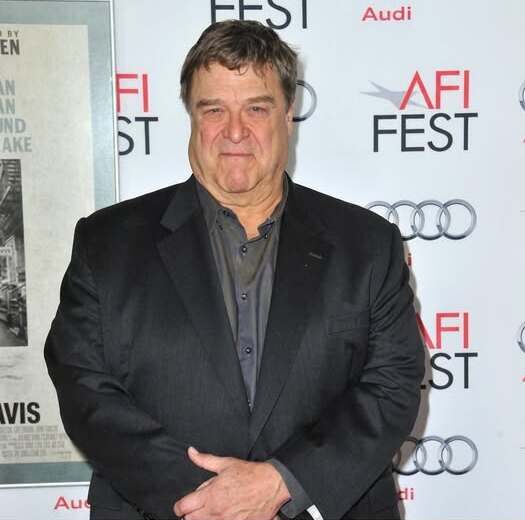
John Goodman’s 200-Pound Weight Loss Came From Years of Sustainable Lifestyle Changes
A Dramatic Transformation Built Over More Than a Decade
John Goodman spent much of his career known for his commanding screen presence and larger-than-life personality. At one point, the actor’s weight climbed to nearly 400 pounds, creating a health challenge that followed him for years.
Today, the 73-year-old looks dramatically different after losing approximately 200 pounds. The change did not come from a brief diet, an extreme fitness program, or a rapid attempt to drop weight.
Instead, Goodman gradually rebuilt his daily habits and committed himself to a healthier routine that he could maintain over the long term.
The actor, recognized for roles in Roseanne, The Big Lebowski, and The Righteous Gemstones, had struggled repeatedly with weight loss before finding a more sustainable approach.
Years of Losing Weight and Gaining It Back
Before beginning his long-term transformation, Goodman experienced a frustrating pattern that will sound familiar to many people who have tried repeated diets.
He would lose a significant amount of weight, sometimes dropping between 60 and 70 pounds during the spring. The progress appeared substantial, but it rarely lasted.
When summer arrived, Goodman would return to many of his previous habits. The weight he had worked to lose would eventually come back, sometimes accompanied by additional pounds.
This cycle continued for years and made it increasingly clear that temporary dieting was not creating lasting results.
Rather than solving the underlying problem, short periods of strict dieting were followed by a return to the same lifestyle that had contributed to his weight gain in the first place.
His Weight Reached 392 Pounds in 2007
By 2007, Goodman had reached his highest recorded weight of 392 pounds. That point became an important turning point in how he approached his health.
He recognized that repeatedly losing large amounts of weight only to regain them was not a strategy he wanted to continue.
The actor began moving away from the idea of dramatic short-term results. Instead of trying to transform himself quickly, he focused on changing the behaviors he followed every day.
The shift required patience because his goal was no longer simply to make the number on the scale fall as quickly as possible. He wanted habits that could continue year after year.
Quitting Alcohol Became One of the First Major Changes
One of Goodman’s most important decisions came in 2007 when he stopped drinking alcohol.
Removing alcohol from his routine helped reduce a major source of unnecessary calories and gave him a more stable foundation for improving other aspects of his lifestyle.
The decision was not treated as a temporary part of a diet. It became part of the broader change in how Goodman approached his health.
By eliminating alcohol, he was able to concentrate more consistently on eating, exercise, and the routines he wanted to maintain.
That first step helped establish the pattern that would define the rest of his transformation: make manageable changes, repeat them consistently, and avoid returning to habits that had repeatedly undermined his previous efforts.
Working With a Fitness Coach Changed His Strategy
Goodman also began working with fitness coach Mackie Shilstone as he developed a more structured approach to his health.
Instead of relying on restrictive crash diets, the focus shifted toward everyday nutrition and movement.
Processed foods were reduced in favor of a Mediterranean-style eating plan centered on simpler foods and controlled portions.
His meals began emphasizing fish, vegetables, fruit, nuts, and olive oil. Refined sugar was also removed from his routine.
Portion control became another major element of the plan. The goal was not only to choose different foods but also to become more disciplined about how much he consumed.
A Mediterranean-Style Eating Pattern Replaced Old Habits
Goodman’s food choices became noticeably different as his transformation progressed.
Rather than approaching nutrition as a temporary restriction, he adopted a style of eating that could realistically remain part of his life.
Fresh fish became one of the foods included in the plan, along with vegetables, fruit, nuts, and olive oil.
At the same time, refined sugar was eliminated. Cutting back on heavily processed options helped simplify his diet and supported the gradual approach he had chosen.
The emphasis on portion control was equally significant. Even foods considered part of a healthier routine can contribute to excess calorie intake when portions become too large.
Goodman’s approach therefore depended on both food selection and quantity rather than relying on a single dietary rule.
Exercise Became Consistent Rather Than Extreme
Physical activity also became a central part of Goodman’s routine, but he did not build his progress around highly aggressive workouts.
His strategy was based on movement that could be repeated consistently without requiring extreme intensity.
Goodman began exercising six days each week, creating a routine that made physical activity a regular part of his schedule.
His workouts focused heavily on equipment such as the treadmill and elliptical bike.
The simplicity of those exercises allowed him to prioritize consistency. Instead of constantly changing programs, he concentrated on staying active and repeating movements that he could sustain.
Daily Walking Became an Important Rule
Outside of structured workouts, Goodman also established a daily step target.
He aimed to complete between 10,000 and 12,000 steps each day, adding a substantial amount of regular movement to his routine.
That goal reinforced the idea that exercise did not have to happen only during a formal workout. Staying active throughout the day became part of the larger strategy.
Daily steps, gym sessions, and improved eating habits worked together rather than functioning as separate short-term efforts.
This combination helped Goodman move away from the pattern that had previously caused him to lose and regain large amounts of weight.
His Goal Became Consistency Instead of Speed
One of the biggest differences between Goodman’s earlier attempts and his later success was the amount of time he allowed himself.
He did not try to lose approximately 200 pounds in a few months. His transformation unfolded over more than a decade.
That slower timeline reflected the lifestyle he had chosen to build. Each part of the process was designed to be maintained rather than abandoned once a certain weight had been reached.
For Goodman, consistency became more important than dramatic short-term progress.
The method stood in sharp contrast to the earlier years when he might lose 60 or 70 pounds and then quickly regain the weight.
Staying Active Also Helped With His Acting Career
Goodman’s health changes were not only about appearance or the number on a scale.
Regular movement helped him maintain the energy required for an active professional schedule.
Film and television work can involve long hours, repeated takes, travel, and physically demanding days. Goodman found that remaining active made it easier to keep pace with those responsibilities.
The benefits of his new routine therefore extended beyond weight management.
Exercise became something that supported his ability to continue working while also helping him maintain the habits that had transformed his health.
The Numbers Behind Goodman’s Transformation
At his heaviest in 2007, Goodman weighed 392 pounds.
Over the years that followed, he lost approximately 200 pounds through a combination of dietary changes, regular exercise, increased daily movement, and the elimination of alcohol.
His eating plan emphasized Mediterranean-style foods while removing refined sugar and paying close attention to portion sizes.
His exercise routine grew to six days a week, with treadmills and elliptical equipment forming a major part of his workouts.
He also committed to walking between 10,000 and 12,000 steps a day.
Together, those habits created the gradual transformation that became visible over more than a decade.
Why His Approach Was Different From His Earlier Diets
Goodman’s earlier attempts had often centered on losing a large amount of weight in a short period.
The problem was not that he could not lose weight. He had already demonstrated that he could drop dozens of pounds when he committed himself to a temporary plan.
The challenge was maintaining the loss after the intense dieting period ended.
His later approach addressed that issue by abandoning the temporary mindset entirely.
Instead of asking how quickly he could lose weight, Goodman focused on whether he could continue following the same behaviors in the future.
That change in perspective became one of the most important elements of the transformation.
A Long-Term Mindset Replaced the Search for Quick Results
Goodman’s experience demonstrates the difference between a short dieting phase and a broader lifestyle change.
When his focus was temporary, the results were temporary as well. Once he returned to his old routines, his weight returned with them.
After 2007, he began building a structure around repeated habits rather than relying on bursts of restriction.
Alcohol was removed, processed foods were reduced, refined sugar was eliminated, portions were controlled, and exercise became consistent.
No single change accounted for the entire 200-pound loss. The transformation came from the cumulative effect of many choices repeated over a long period.
His Story Connects With the Challenge of Aging
Goodman’s transformation has drawn attention not only because of the amount of weight he lost but also because he continued prioritizing his health as he grew older.
At 73, maintaining mobility and activity has become an increasingly important part of his daily life.
Rather than viewing exercise as something reserved for younger years, Goodman continued making movement central to his routine.
His own perspective captures that sense of urgency.
“I’m getting to the age where I can’t afford to sit still anymore,” Goodman admitted, proving that it is never too late to reclaim your health.
A Transformation Rooted in Everyday Discipline
Goodman’s roughly 200-pound weight loss was not built around a dramatic shortcut.
It developed from years of small decisions involving what he ate, how much he ate, whether he exercised, and how active he remained throughout the day.
His experience also shows why his earlier pattern of losing weight quickly never became permanent.
Temporary diets required temporary discipline. Once that period ended, the old habits returned.
The later transformation changed the structure of his everyday life instead.
From 392 Pounds to a Completely Different Lifestyle
When Goodman reached 392 pounds in 2007, he was at the highest weight of his life.
More than a decade later, he had lost roughly half of that amount and dramatically changed his appearance.
The more meaningful change, however, was the routine behind the physical transformation.
He stopped drinking alcohol, removed refined sugar, changed the foods he regularly consumed, practiced portion control, exercised six days a week, and committed to thousands of daily steps.
Those habits replaced a cycle of repeated dieting with a strategy based on long-term consistency.
Why John Goodman’s Weight-Loss Journey Continues to Stand Out
Goodman’s transformation resonates because it was gradual and imperfect rather than immediate.
He spent years struggling with losing and regaining weight before acknowledging that his previous approach was not working.
Once he changed the goal from rapid results to permanent habits, his progress became more sustainable.
His experience reflects the reality that major physical changes often develop through ordinary decisions made repeatedly over time.
For Goodman, those decisions included walking, exercising, changing his meals, controlling portions, removing alcohol, and continuing the routine even after the initial weight began coming off.
The result was a transformation of approximately 200 pounds and a completely different approach to daily health.
A Commitment That Extended Far Beyond the Scale
John Goodman’s journey began with the recognition that repeatedly losing and regaining weight was no longer working for him.
From his peak of 392 pounds, he gradually moved toward a healthier routine without depending on extreme dieting or unsustainable shortcuts.
His weight loss eventually reached approximately 200 pounds, but the number represents only one part of the change.
The larger shift involved replacing old habits with behaviors he could continue as he aged and remained active in his acting career.
After years of struggling with his weight, Goodman’s transformation became an example of what can happen when consistency replaces the desire for instant results.
His experience ultimately centers on a simple idea: lasting change did not come from doing something extreme for a short time. It came from changing what he was willing to do every day.