
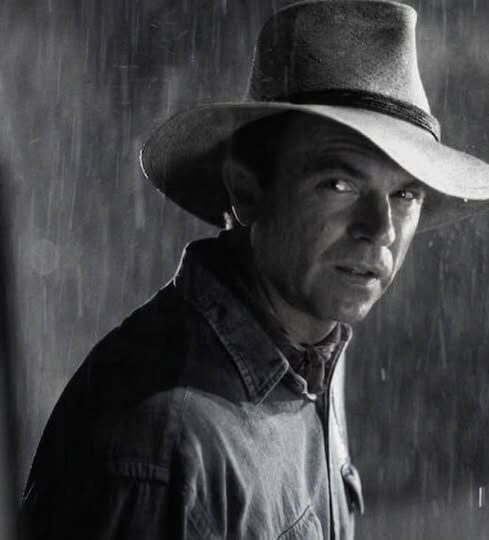
Sam Neill Dies at 78, Leaving Behind a Film Legacy That Spanned Generations
A Beloved Actor Remembered Around the World
Sam Neill, the acclaimed New Zealand actor best known internationally for playing paleontologist Dr. Alan Grant in Jurassic Park, died in Sydney on July 13, 2026, at the age of 78.
His family said his death was sudden and unexpected and that he was surrounded by loved ones. Neill had recently announced that he was cancer-free following treatment for blood cancer. His longtime agent later confirmed that the actor died from pneumonia.
The news brought an outpouring of tributes from audiences who had followed his work across more than five decades.
For millions of viewers, Neill will forever be associated with dinosaurs, a battered fedora and one of the most recognizable adventure films ever made.
But Jurassic Park represented only one chapter in a remarkably varied career.
He Became Famous Far Beyond New Zealand
Neill built a career that moved effortlessly between intimate dramas, major Hollywood productions, television, horror, historical stories and independent films.
He appeared in roughly 150 film and television productions over the course of his career, creating a body of work that reached audiences across generations.
He could play a thoughtful hero, a troubled husband, an intimidating authority figure or a character whose motives remained impossible to predict.
That versatility became one of his defining strengths.
Jurassic Park Changed Everything
For international audiences, the role of Dr. Alan Grant became the performance most closely associated with Neill.
Steven Spielberg’s Jurassic Park turned the fictional paleontologist into one of the most familiar characters of 1990s cinema.
Grant was intelligent, skeptical and far more comfortable studying extinct creatures than dealing with children.
Then the park collapsed into chaos.
Suddenly, the scientist who had spent his career studying fossils was forced to survive among living dinosaurs.
Dr. Alan Grant Became an Icon
Neill brought a calm seriousness to the role.
He never needed to turn Grant into a conventional action hero.
The character felt believable because he reacted with fear, uncertainty and determination.
His knowledge mattered, but so did his humanity.
That balance helped make Grant one of Jurassic Park’s most enduring figures.
The Film Reached an Entire Generation
Jurassic Park became far more than a successful blockbuster.
For many viewers, it became one of the defining movie experiences of their childhood.
The dinosaurs were revolutionary.
The suspense was unforgettable.
And at the center of much of the story stood Neill, guiding audiences through a world that felt simultaneously wondrous and terrifying.
He Returned to the Character Years Later
Neill later reprised Dr. Alan Grant in Jurassic Park III.
Decades after the original film, he again returned to the franchise in Jurassic World Dominion.
Seeing him alongside familiar faces from the original story gave longtime fans a powerful sense of continuity.
By then, Grant had become inseparable from Neill’s public identity.
But He Was Never Only the Jurassic Park Actor
Neill’s career had already been substantial long before dinosaurs made him globally famous.
His work included acclaimed films such as My Brilliant Career, Dead Calm and A Cry in the Dark.
He later appeared in The Hunt for Red October, The Piano, Event Horizon and countless other projects across different genres.
That range made him difficult to categorize.
He Could Move Between Completely Different Worlds
Some actors spend their entire careers perfecting one screen persona.
Neill seemed comfortable doing the opposite.
He could move from restrained drama to psychological horror.
He could appear in a historical production and then enter a massive Hollywood franchise.
He could play sympathetic characters and deeply unsettling ones with equal conviction.
The Piano Added Another Major Film to His Legacy
In The Piano, Neill appeared in a very different kind of story from Jurassic Park.
The acclaimed drama gave him an emotionally complicated role far removed from blockbuster adventure.
The contrast demonstrated the breadth of his abilities.
Audiences who knew him primarily as Dr. Grant could discover a much darker and more difficult performance.
His Career Was Built on Versatility
That ability to shift tone may explain why Neill remained relevant for so long.
He never depended entirely on one genre.
When one part of the industry changed, he could move somewhere else.
Film, television, drama, thrillers and international productions all remained available to him because he never allowed himself to become only one thing.
There Was Also a Quiet Quality to His Acting
Neill rarely seemed interested in overwhelming a scene.
His best performances often relied on restraint.
A small change in expression could suggest fear.
A pause could create tension.
Even when surrounded by spectacle, he had a way of keeping his characters grounded.
That quality helped make the extraordinary circumstances around them feel more believable.
His Voice Became Instantly Recognizable
There was also something distinctive about the way Neill spoke.
His measured delivery could feel warm one moment and unsettling the next.
That made him especially effective in characters who appeared calm while hiding something more complicated beneath the surface.
It became another reason audiences remembered him even when they had not seen a particular film in years.
His Life Began Far From Hollywood
Neill was born Nigel John Dermot Neill in Northern Ireland in 1947.
His family later moved to New Zealand when he was a child, and New Zealand became central to his identity and life.
His eventual journey to international film stardom was therefore anything but obvious.
He built his reputation gradually.
New Zealand Remained Home
Even after achieving global fame, Neill remained closely connected to New Zealand.
He became known not only as an actor but also as a vintner.
His Two Paddocks winery became another important part of his public identity.
His social media presence also gave fans glimpses of his life away from film sets.
Fans Saw a Different Side of Him Online
Neill’s online personality often surprised people who knew him primarily from serious roles.
He shared humor, farm life and affection for animals.
That contrast made him even more likable to many fans.
The actor who could appear deeply intense on screen often seemed playful and self-deprecating away from it.
He Faced a Serious Cancer Diagnosis
In 2022, Neill was diagnosed with angioimmunoblastic T-cell lymphoma, a form of blood cancer.
His illness became public later, and he spoke openly about the experience.
In April 2026, only months before his death, he announced that he was cancer-free after treatment.
That fact made the announcement of his death especially shocking.
His Death Was Not Reported as a Return of Cancer
Neill’s family emphasized that he remained cancer-free when he died.
His longtime agent later clarified that the cause of death was pneumonia.
The distinction mattered because many people initially assumed his previous cancer diagnosis must have been responsible.
According to the information released after his death, that was not the case.
He Had Continued Working
Despite his health challenges, Neill remained professionally active.
His agent said he had filmed four projects back-to-back during the previous year and that those productions were expected to be released after his death.
That meant his career did not fade quietly before the end.
He remained engaged with the work that had defined most of his adult life.
His Final Years Were Not Defined Only by Illness
Neill had spoken about cancer, but he consistently resisted allowing it to become the entire story of his life.
He continued acting.
He maintained his winery.
He remained connected to family, friends and audiences.
That determination became another part of how people remembered him.
Tributes Focused on the Man as Much as the Actor
After his death, tributes came from across the entertainment industry and beyond.
Many people emphasized his warmth, humor and lack of pretension.
Those qualities had become almost as closely associated with Neill as his film roles.
Australia’s prime minister was among the public figures who paid tribute, describing the actor as someone who had earned a special place in Australian hearts.
He Was Claimed by More Than One Country
Neill’s identity was unusually international.
He was born in Northern Ireland.
He grew up in New Zealand.
He became deeply associated with Australian film and television.
Then Hollywood introduced him to the rest of the world.
That broad connection helps explain why the reaction to his death spread so widely.
He Never Seemed Entirely Comfortable With Celebrity
Part of Neill’s appeal was the sense that he never fully behaved like a conventional Hollywood star.
He could be famous without appearing consumed by fame.
He often approached interviews with humor rather than self-importance.
That humility allowed audiences to feel as though the person behind the roles remained approachable.
He Nearly Entered Another Legendary Franchise
Neill was once considered as a potential James Bond.
The role ultimately went elsewhere, leaving fans with one of cinema’s enduring “what if” questions.
Yet his career hardly suffered from missing that opportunity.
He instead built a filmography that was far less predictable.
That May Have Been Better for His Legacy
Playing Bond could have defined him for years.
Instead, Neill remained free to move through vastly different projects.
He became a paleontologist, a husband, a villain, an officer, a farmer, a historical figure and many other characters.
There was no single formula.
His Films Continued Finding New Audiences
Many of Neill’s best-known projects survived far beyond their original releases.
Jurassic Park continued attracting children whose parents had seen it decades earlier.
The Piano remained an important part of 1990s cinema.
Films such as Event Horizon developed passionate followings over time.
Television introduced him to still more viewers.
Each Generation Could Know a Different Sam Neill
Older audiences might remember his early Australian and New Zealand films.
Another generation knew him first from Jurassic Park.
Others encountered him through Peaky Blinders or later television work.
That ability to remain familiar across different periods is one of the clearest measures of the longevity of his career.
He Played Dr. Grant Without Turning Him Into a Superhero
Perhaps that is one reason the Jurassic Park character endured so strongly.
Grant was brave, but he was frightened.
He was knowledgeable, but he did not have every answer.
He survived through experience and judgment rather than impossible physical abilities.
Neill made him feel human inside an extraordinary story.
The Dinosaur Scenes Became Part of Film History
Decades later, moments from Jurassic Park remained instantly recognizable.
The first dinosaur reveal.
The terrifying arrival of the Tyrannosaurus rex.
The velociraptors.
The children trying to survive.
And Grant trying to guide them through an environment that had completely collapsed.
Neill became permanently connected to those memories.
But His Smaller Films Matter Just as Much to Many Fans
For devoted admirers, the blockbuster work was only the beginning.
Many considered his quieter performances equally important.
His ability to disappear into unusual or emotionally difficult roles revealed an actor who was willing to take risks rather than simply repeat whatever had already succeeded.
That Curiosity Kept His Career Alive
Longevity in acting requires more than surviving physically.
An actor also has to remain creatively interested.
Neill continued accepting roles across different genres and formats because he appeared genuinely curious about characters.
That openness protected him from becoming a relic of a single decade.
His Cancer Battle Changed How Fans Saw His Later Years
When Neill revealed his diagnosis, audiences learned that his continued work had been happening alongside an intensely personal medical struggle.
Yet he discussed mortality with characteristic humor and restraint.
He did not present himself as a tragic figure.
He remained focused on living.
Then Came the News No One Expected
Only months after announcing that he was cancer-free, Neill died suddenly in Sydney.
The family statement said he was surrounded by those closest to him.
The timing made the loss particularly difficult for fans who believed he had successfully moved beyond his most dangerous health challenge.
His Family Chose Privacy
Neill’s agent said the family planned a private memorial at his New Zealand farm.
That decision seemed consistent with the personality the public had come to know.
Neill had spent decades famous without appearing eager for spectacle.
A quiet farewell felt appropriate.
His Legacy Cannot Be Reduced to One Character
Dr. Alan Grant will remain the role printed first in countless tributes.
That is understandable.
Jurassic Park reached hundreds of millions of viewers and permanently changed blockbuster filmmaking.
But Neill’s career deserves to be remembered in its full range.
He Was a Character Actor With the Recognition of a Star
That combination is rare.
Neill could carry major productions while retaining the curiosity of an actor willing to take smaller or stranger roles.
He never seemed trapped by the need to remain a conventional leading man.
That freedom gave his filmography unusual variety.
He Made Serious Acting Look Effortless
One of Neill’s greatest strengths was that audiences rarely saw the work happening.
He did not appear to strain for intensity.
He simply inhabited the character.
That natural quality allowed him to hold the screen without demanding attention.
His Death Closes a Distinctive Chapter in Cinema
Neill belonged to a generation of actors whose careers developed before modern celebrity culture became dominated by social media and constant self-promotion.
His reputation was built largely through performances.
Project after project gradually formed the public image.
That slower kind of career can create an especially deep relationship with audiences.
The Work Remains
There will be no new performance from Sam Neill after the projects already completed before his death.
But the enormous body of work remains available.
Audiences can still return to Jurassic Park.
They can rediscover The Piano.
They can watch Dead Calm, The Hunt for Red October, Hunt for the Wilderpeople or any of the many other productions that shaped his career.
Future Generations Will Keep Meeting Dr. Grant
Children who were not born during Neill’s lifetime will eventually watch Jurassic Park for the first time.
They will see Grant stare in disbelief as dinosaurs walk before him.
They will watch him protect the children.
They will experience the same fear and wonder audiences felt in 1993.
For them, Sam Neill will be completely new.
That Is the Strange Permanence of Film
An actor’s life ends.
The performance does not.
The same expression, voice and movement can return whenever a film begins.
That permanence is part of why the loss of a beloved actor feels both final and strangely incomplete.
Neill is gone, but millions of hours of his work remain alive on screens around the world.
A Career Worth Celebrating
Sam Neill died at 78 after a career that stretched across more than five decades and approximately 150 screen productions.
He achieved international fame without losing the qualities that made him distinctive.
He could be serious without becoming distant.
He could be famous without becoming inaccessible.
And he could return repeatedly to the screen without simply repeating himself.
Sam Neill Leaves Behind Much More Than Jurassic Park
For some, he will always be Dr. Alan Grant.
For others, he will be remembered through The Piano, Peaky Blinders, Dead Calm or another performance entirely.
For those who followed his life away from the screen, he will also be remembered for his humor, his New Zealand farm, his winery and the understated way he faced illness and aging.
His death from pneumonia on July 13, 2026, brought an extraordinary career to an end, but it did not end the relationship audiences have with his work.
The next time Jurassic Park begins and Dr. Alan Grant looks up in wonder, Sam Neill will be there again.
And for generations of movie lovers, that may be one of the most fitting ways to remember him.