
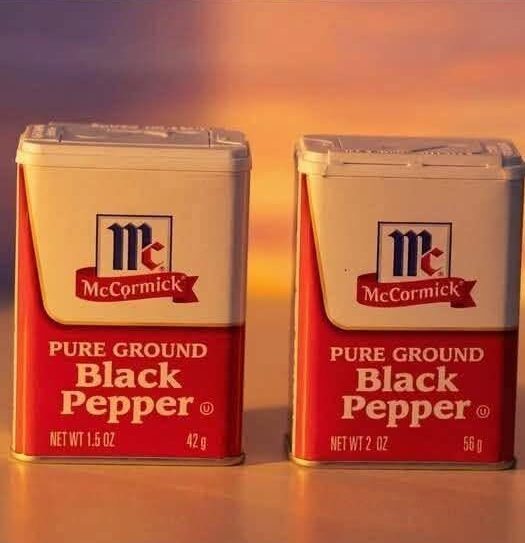
How Packaging Design Shapes What Shoppers Think They Are Buying
Packaging Can Influence a Purchase Before the Label Is Ever Read
For many shoppers, purchasing decisions happen quickly.
A familiar brand, a recognizable container, or a package that appears large enough can be enough to create an immediate impression of value.
That means packaging is doing more than protecting a product. It is also shaping what consumers believe they are getting before they stop to examine the finer details.
Container size, shape, color, familiarity and overall presentation can all influence how much product a shopper assumes is inside.
In busy stores, those visual signals often carry more weight than careful comparisons of measurements or labels.
Shoppers Often Use Shortcuts When Making Decisions
Most people do not study every package in detail before placing an item in their cart.
Instead, they rely on shortcuts.
A bottle that looks the same as the one purchased last month may be assumed to contain the same amount.
A box with familiar dimensions may feel like the same product even if the quantity printed on the label has changed.
This happens because visual recognition is fast.
Reading net weight, comparing unit prices and checking package dimensions requires more attention.
During a quick shopping trip, many consumers simply do not spend that extra time.
Container Size Strongly Affects Perceived Value
One of the most powerful visual cues is the overall size of the package.
Consumers naturally associate a larger container with a larger quantity.
If two products are displayed next to each other, the one with the bigger-looking package may appear to offer better value even when the actual quantities are similar.
This impression can become especially important when shoppers are already familiar with a particular package shape.
Once a certain bottle, box or tub becomes associated with a specific quantity, consumers may stop checking the amount printed on the label every time they buy it.
When the Package Looks the Same but Holds Less
Confusion can arise when the exterior package remains largely unchanged while the amount of product inside is reduced.
If the same container shape and general dimensions remain in use, a shopper may reasonably assume that the quantity has also remained the same.
The actual amount may still be printed correctly on the package.
However, the visual impression created by the container can remain stronger than the written information.
This creates a gap between what the shopper sees immediately and what the detailed label actually says.
Familiarity Can Reduce Careful Checking
Brand familiarity also plays an important role.
A shopper purchasing the same item repeatedly may develop a routine.
They recognize the logo, the package shape and the shelf position, then place the product in their cart without closely reviewing the details.
This is not necessarily carelessness.
It is simply an efficient way of shopping when consumers believe they already know the product.
Problems arise when the product changes but the familiar visual signals remain nearly identical.
Opaque Packaging Makes Quantity Harder to Judge
Opaque containers add another layer to the issue.
When consumers cannot see the contents, they must rely almost entirely on the package itself and the information printed on it.
A transparent container can offer at least some visual indication of how much product is actually present.
An opaque bottle, tub or box removes that possibility.
This makes the size and shape of the package even more influential.
If the container looks full-sized, shoppers may form an expectation about quantity without being able to visually confirm it.
Visual Impressions Can Be Stronger Than Numbers
Written information may be accurate and clearly displayed, but consumers do not always process numbers as quickly as visual information.
A package can communicate an impression almost instantly.
Numbers require interpretation.
A shopper must notice the quantity, understand the measurement and possibly compare it with a previous version or competing product.
That additional effort means the appearance of the package can dominate the decision, particularly when someone is moving quickly through a store.
Shape Can Matter as Much as Size
Packaging shape can also influence how much product people believe they are receiving.
A tall, narrow container may appear larger than a shorter, wider one even when their capacities are similar.
Deep bases, thick walls and unusual internal shapes can also affect how spacious a package appears from the outside.
Consumers rarely calculate internal volume while shopping.
They react to the overall impression.
This makes design choices an important part of how value is perceived.
Brand Recognition Creates Expectations
Well-known packaging can become part of a product’s identity.
Consumers may remember the shape of a container more clearly than the precise number of ounces, grams or milliliters it contains.
That familiarity creates expectations.
If a package looks nearly identical to the one purchased previously, many shoppers will assume the product itself has not meaningfully changed.
This is why even small adjustments in quantity can become controversial when the exterior design remains familiar.
Fast Shopping Encourages Visual Decision-Making
Modern shopping often takes place under time pressure.
Consumers may be buying dozens of items during a single trip.
Checking the detailed specifications of every product would require significant time and concentration.
As a result, people naturally use visual shortcuts.
They recognize products, compare obvious package sizes and make decisions based on experience.
This behavior gives packaging enormous influence over perceived value.
Label Accuracy Does Not Always Prevent Confusion
A company can comply with labeling requirements while consumers still feel confused by the presentation.
The quantity may be printed correctly.
The packaging may meet applicable regulations.
Yet shoppers may still believe they were receiving more than the package actually contained.
This is because legal compliance and consumer perception are not always the same thing.
A technically accurate label does not automatically guarantee that the overall presentation feels clear.
Transparency Plays an Important Role in Consumer Trust
Trust becomes especially important when shoppers discover that a familiar product contains less than they expected.
Consumers generally respond better when changes are easy to understand.
Clear information allows buyers to make decisions with confidence.
When packaging creates uncertainty, that confidence can weaken.
Even if nothing on the package is technically false, customers may feel that the design encouraged an assumption that was no longer accurate.
Perceived Value Is Not Based on Quantity Alone
Consumers do not judge value using a single calculation.
Price matters.
Quantity matters.
Brand reputation, package appearance and previous experience also matter.
A shopper may believe a product is a good value because it looks substantial or because they have purchased the same package for years.
If the quantity changes while those other signals remain familiar, the consumer’s perception of value may not immediately adjust.
Small Design Choices Can Have Large Effects
Packaging designers make decisions about dimensions, materials, labels and container shapes for many practical reasons.
Those choices can affect transportation, storage, shelf placement and product protection.
But they also influence psychology.
A slightly taller box can feel more substantial.
A wider lid can make a container appear larger.
An opaque wall can prevent shoppers from noticing unused interior space.
These effects may seem minor individually, but together they can strongly shape purchasing decisions.
Consumers Often Compare With Memory Instead of Measuring
When shoppers evaluate a familiar item, they frequently compare it with what they remember rather than with exact historical measurements.
They remember the general look of the product.
They remember where it sits on the shelf.
They may remember roughly what it cost.
They are less likely to remember the exact quantity printed on the previous package.
This makes visual continuity extremely powerful.
Unclear Presentation Can Create Lasting Frustration
Once shoppers feel that packaging has created a misleading impression, the effect can extend beyond a single purchase.
They may begin examining that brand more carefully.
They may compare competitors more closely.
Some may decide that the product no longer offers the value they expected.
Trust, once weakened, can be difficult to rebuild.
Clear Communication Benefits Both Buyers and Brands
Transparency can help reduce these problems.
When consumers can easily understand what they are purchasing, they are less likely to feel surprised later.
Clear presentation supports better comparison and gives shoppers more confidence in their decisions.
It can also benefit companies by strengthening the relationship between the brand and its customers.
A buyer who feels informed is more likely to view changes as understandable rather than deceptive.
Why Detailed Labels Are Still Important
Visual impressions may dominate quick decisions, but labels remain the most reliable source of precise information.
Consumers who want to know exactly how much they are purchasing need to look beyond the appearance of the container.
Net quantity, unit pricing and other printed details provide information that package size alone cannot guarantee.
This becomes particularly useful when comparing products with very different shapes.
Two containers can look dramatically different while holding nearly the same amount.
Packaging Design Carries a Responsibility
Because design can influence assumptions so strongly, packaging carries a responsibility beyond simply being attractive.
It communicates.
Consumers interpret size, shape and visibility as information even when those features are not technically part of the written label.
This makes clarity especially important when the amount of product changes.
The closer the visual design remains to an older version, the more likely shoppers are to rely on previous expectations.
Regulations and Perception Can Tell Different Stories
Packaging rules generally focus on measurable requirements such as accurate labeling and required disclosures.
Consumer perception is more subjective.
A company may satisfy every formal requirement while still encountering criticism from shoppers who feel the package gives the wrong impression.
That difference explains why packaging debates often continue even when no labeling rule has been broken.
The issue becomes one of trust rather than simple compliance.
Shoppers Can Protect Themselves by Comparing More Carefully
Consumers can reduce confusion by paying closer attention to the quantity printed on the package rather than relying only on appearance.
Comparing unit prices can also make differences easier to understand.
This is especially useful when two products use containers with different shapes or dimensions.
A quick glance at quantity information can reveal changes that are not obvious from the package itself.
The Broader Lesson Is About Trust
The larger issue surrounding packaging design is not simply whether a container looks bigger or smaller.
It is about the relationship between appearance, expectation and trust.
Consumers make countless purchasing decisions based partly on visual information.
When that information aligns with what they receive, confidence is reinforced.
When appearance and quantity seem disconnected, confusion can follow.
Transparency Can Be More Valuable Than Clever Design
Attractive packaging will always remain important in competitive retail environments.
Brands need products that stand out and communicate identity quickly.
But design works best when it supports understanding rather than creating uncertainty.
Consumers may forgive changes in size, quantity or price more easily when those changes are clear.
What damages confidence is the feeling that important information was technically present but visually easy to overlook.
What Shoppers See Often Shapes What They Believe
Packaging influences consumer behavior because people naturally respond to what they can see first.
Container size, shape and brand familiarity create immediate assumptions about quantity and value.
Opaque materials can strengthen those assumptions because the contents remain hidden.
During fast shopping trips, these impressions can easily outweigh detailed comparisons.
The result is a simple but important lesson.
Packaging is not merely decoration.
It is part of the information consumers use to decide what something is worth.
When that information feels transparent, trust grows.
When it becomes unclear, even technically compliant packaging can leave shoppers questioning whether they received what they believed they were buying.