
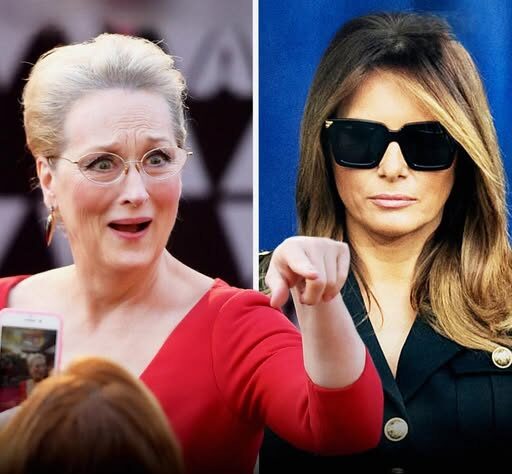
Meryl Streep Reflects on Melania Trump’s 2018 Jacket Controversy in New Interview
A Conversation That Shifted in Tone
What began as a discussion about fashion and personal style developed into a broader reflection on public messaging when Meryl Streep revisited one of Melania Trump’s most talked-about wardrobe choices.
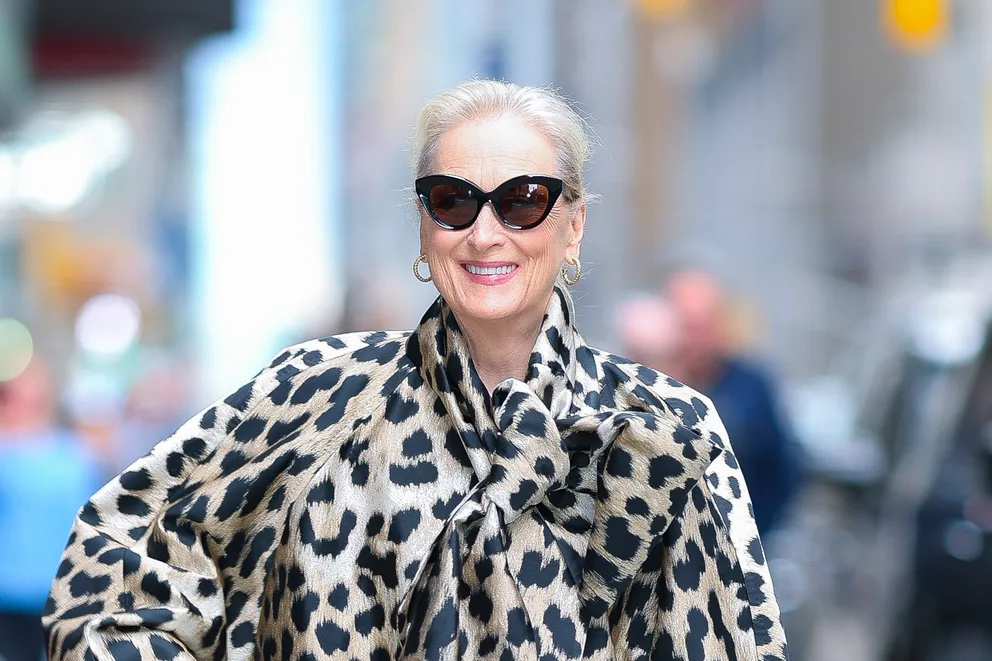
During a recent interview with Anna Wintour for Vogue, the conversation initially focused on how public figures express identity through clothing.
Wintour highlighted women known for maintaining a consistent and recognizable sense of style, mentioning Michelle Obama and New York City first lady Rama Duwaji as examples.
She also noted that Melania Trump has often presented a clear and consistent personal image through her fashion choices.
At that point, Streep redirected the discussion toward a specific moment that continues to draw attention years later.
The Jacket That Sparked Debate
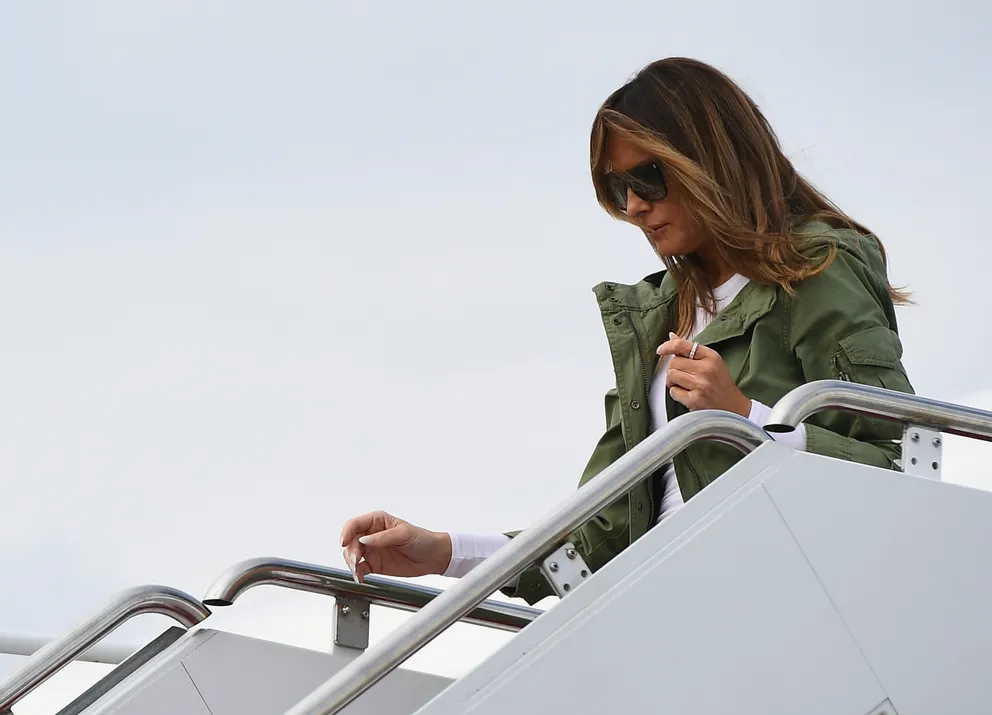
Streep pointed to the jacket Melania Trump wore in June 2018 during a visit to a facility housing migrant children near the U.S.-Mexico border.
The jacket displayed the phrase, “I Really Don’t Care, Do U?” which quickly became the subject of widespread public discussion at the time.
According to Streep, the moment stood out not only because of the clothing itself but because of the message it appeared to convey.
She described the choice as “destabilizing,” suggesting that in political settings, clothing can carry meanings that go beyond appearance.
The comment reflected a broader view that style decisions, especially in high-profile roles, are often interpreted as forms of communication.
Public Reaction and Interpretation
When the jacket first appeared in 2018, images spread rapidly across media platforms and prompted strong reactions.
Criticism at the time centered on the wording and the timing of the outfit, given the context of the visit.
Melania Trump later addressed the situation, explaining that the message on the jacket was intended as a response to critics rather than directed at the children she was visiting.
She also emphasized that attention should remain on her actions rather than her clothing.
Despite that clarification, the moment continued to be discussed and revisited in the years that followed.
Connecting Past Statements to Present Views
Streep’s recent comments also echoed concerns she had previously expressed about the influence of public figures.
During her 2017 Golden Globes speech, while accepting the Cecil B. DeMille Award, she spoke about the impact of behavior displayed by those in positions of power.
She referenced a 2015 incident involving Donald Trump and New York Times reporter Serge Kovaleski, who has arthrogryposis.
At the time, she argued that actions perceived as humiliating or dismissive could influence broader public behavior.
In her current remarks, that perspective appeared to connect with her interpretation of the jacket, framing it as part of a larger conversation about messaging and influence.

Symbols and Public Meaning
In discussing the jacket, Streep emphasized the idea that symbols can carry lasting meaning, particularly when associated with well-known individuals.
Her comments suggested that clothing, in certain contexts, may be interpreted as reflecting attitudes or perspectives beyond the immediate moment.
This viewpoint places greater significance on how public figures present themselves, especially in situations that attract widespread attention.
For Streep, the focus was not solely on the garment itself, but on what it appeared to represent within a broader social and political landscape.
Such interpretations often extend beyond fashion, becoming part of ongoing public dialogue.

Renewed Attention in a Current Context
The renewed discussion comes shortly after Melania Trump appeared at the White House Easter Egg Roll alongside Donald Trump.
The event drew attention across social media, where images and videos from the South Lawn prompted fresh commentary.
During the gathering, Donald Trump publicly praised Melania, referring to her as a “movie star” in front of attendees.
At the same time, online discussions focused on her appearance and presence, continuing a pattern of public interest surrounding her role and image.
This recent attention has contributed to the resurfacing of earlier moments, including the 2018 jacket incident.
Fashion as a Form of Expression
Streep’s perspective highlights a broader idea that fashion, particularly for public figures, is often interpreted as a form of expression.
In this view, clothing choices can signal identity, intention, or perspective, especially when seen by large audiences.
For individuals in highly visible roles, these interpretations can carry additional weight.
The discussion reflects how style can move beyond aesthetics and become part of wider conversations about communication and influence.
This approach does not treat fashion as superficial, but as something capable of conveying meaning in specific contexts.
An Image That Continues to Resonate
Although the jacket moment occurred several years ago, it remains a reference point in discussions about public image and messaging.
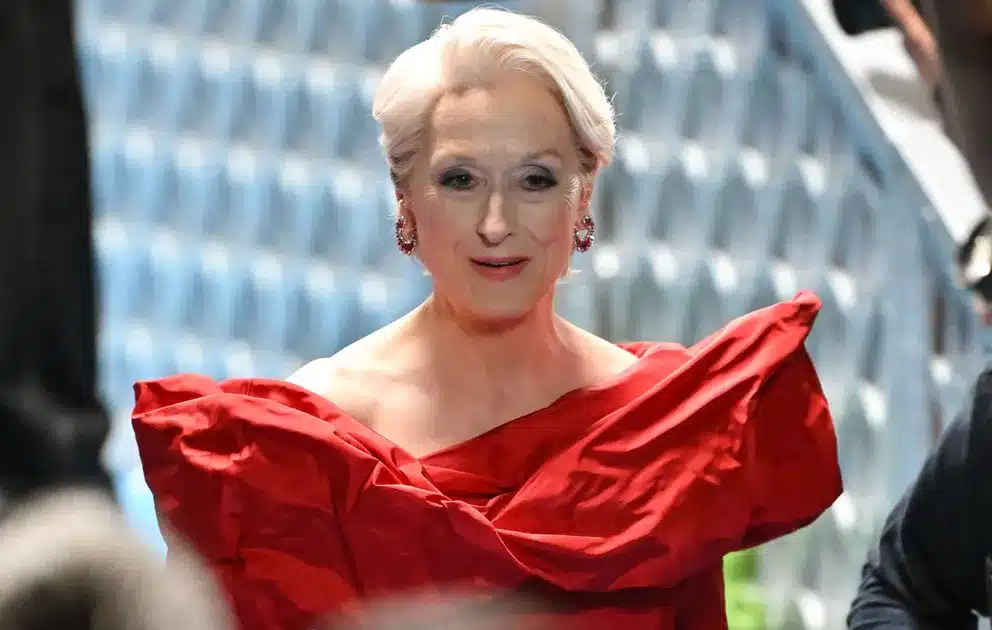
Streep’s recent remarks brought renewed attention to that image, highlighting how certain moments continue to resonate over time.
The continued interest suggests that the interpretation of such events evolves alongside ongoing public conversations.
For some, the focus remains on the original context, while for others, it reflects broader themes about communication and perception.
In either case, the moment has maintained a presence in public discourse.
A Continuing Conversation
The exchange between Streep and Wintour illustrates how discussions about fashion can extend into larger reflections on identity and influence.
While the initial topic centered on personal style, it ultimately opened a dialogue about how public figures are perceived and how their choices are interpreted.
The jacket, once a single moment in time, has become part of a continuing conversation about symbolism and meaning.
Streep’s comments did not revisit the moment as a simple fashion critique, but as an example of how visual messages can carry lasting impact.
As a result, the discussion remains relevant, demonstrating how certain images continue to shape public dialogue long after they first appear.