
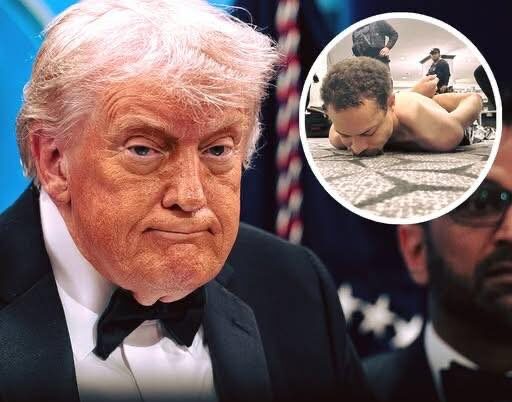
White House Correspondents’ Dinner Incident Sparks Wave of Online Speculation
A Security Scare Unfolds During High-Profile Event
A tense situation developed during the White House Correspondents’ Dinner when an armed individual approached a secured area near the venue. The event, known for gathering political figures, journalists, and public officials, was disrupted by the sudden appearance of a potential threat.
The suspect reportedly moved toward a security checkpoint located near a staircase leading to the main event space. The presence of weapons raised immediate concern among security personnel and prompted a rapid response.
The incident occurred at approximately 8:36 pm, a time when the venue was active with attendees. Security teams quickly engaged, preventing further escalation.
Rapid Intervention by Security Personnel
Officials responded swiftly once the situation was identified. The suspect, later named as 31-year-old Cole Tomas Allen, was stopped before reaching deeper into the secured area.
Security agents confronted the individual and brought him under control. The response involved physically restraining him, after which he was taken into custody.
The quick action ensured that the situation did not develop into a larger threat. Attendees were protected, and the event’s broader safety protocols were activated.
Details of the Suspect and Weapons
Information released about the suspect indicated that he was carrying multiple weapons at the time of the incident. These reportedly included a shotgun, a handgun, and several knives.
The presence of multiple weapons heightened the seriousness of the situation. Security personnel treated the encounter as a credible threat, prompting decisive intervention.
Authorities have confirmed that an investigation is ongoing. The case is being examined as part of a broader inquiry into a potential assassination attempt.
Social Media Reaction and Rapid Spread of Claims
Shortly after the incident, online platforms became flooded with speculation. Alongside factual accounts, a parallel narrative began to circulate among social media users.
Some individuals quickly labeled the event as staged, describing it as a “false flag.” These claims appeared before complete information about the situation had been released.
The speed at which these theories spread reflected the current dynamics of digital communication. Posts and comments multiplied rapidly, amplifying unverified interpretations.
Misinterpretation of Public Statements
One point of focus for online speculation involved a statement made prior to the event. Press Secretary Karoline Leavitt was quoted in an interview saying that “there will be some shots fired tonight in the room.”
This phrase drew attention online, with some interpreting it as a sign of foreknowledge. However, available transcripts indicated that the remark referred to the anticipated comedic “roast” during the dinner.
The context of the statement became a central point of debate. The difference between literal and figurative interpretation fueled ongoing discussion.
Political Reactions Add to the Narrative
Following the incident, public statements from political figures contributed to the evolving conversation. President Donald Trump addressed the situation on social media, sharing commentary about the event.
Posts highlighted the need for enhanced security measures, including the concept of a “Militarily Top Secret Ballroom” valued at $400 million. The proposal had reportedly faced delays due to legal considerations.
Some critics suggested that the timing of these remarks added to suspicions. They argued that the sequence of events appeared unusually convenient.
Video Footage and Conflicting Interpretations
Early video clips from the scene also played a significant role in shaping public perception. A particularly unclear recording showed the evacuation of Vice President JD Vance.
The footage, described as blurry and incomplete, left room for multiple interpretations. Viewers analyzed small details, attempting to draw conclusions about the nature of the response.
One recurring claim was that security personnel appeared “too calm.” This observation was used by some as supposed evidence that the situation had been prearranged.
The Role of Incomplete Information
Experts who study misinformation note that such reactions are not unusual. When information is incomplete or still developing, people often attempt to fill gaps with assumptions.
In highly polarized environments, uncertainty can quickly be interpreted as evidence of hidden motives. Rather than seeing missing details as part of an ongoing investigation, some individuals view them as suspicious.
This pattern contributes to the rapid formation and spread of conspiracy theories. Once established, these narratives can persist even as more information becomes available.
Understanding the Appeal of Conspiracy Theories
Theories suggesting that events are staged often gain traction during moments of crisis. They provide simplified explanations for complex situations and can offer a sense of certainty.
In this case, the combination of a high-profile setting, dramatic circumstances, and partial information created conditions that allowed speculation to flourish.
The persistence of these theories highlights broader challenges in the modern information landscape. Digital platforms allow ideas to circulate widely, regardless of their accuracy.
Ongoing Investigation and Confirmed Facts
Authorities have confirmed several key elements of the incident. There was a legitimate security threat involving an armed individual who was stopped by security personnel.
The suspect was identified, detained, and is now part of an ongoing investigation. Officials have also acknowledged the existence of a manifesto connected to the case.
These confirmed details provide a clearer understanding of what occurred, even as speculation continues to circulate online.
The Broader Impact on Public Trust
The reaction to the incident reflects deeper issues related to trust and information. In an environment where skepticism is common, official explanations are sometimes questioned immediately.
This skepticism can lead to the rapid spread of alternative narratives. Even without supporting evidence, these interpretations can gain significant attention.
The situation demonstrates how quickly public perception can diverge from confirmed facts. It also shows how challenging it can be to correct misinformation once it has taken hold.
A Reflection of the Current Information Environment
The continued discussion surrounding the incident is less about new developments and more about how people process events. The resilience of the “staging” narrative reveals ongoing tensions in how information is consumed and shared.
Moments like this highlight the importance of clear communication and careful interpretation. They also underscore the need for patience as investigations unfold.
As more details emerge, the focus remains on understanding what happened and ensuring that accurate information is available. The incident serves as a reminder of the complexities involved in both security and public discourse.
Conclusion
The White House Correspondents’ Dinner incident stands as both a security event and a case study in modern information dynamics. While authorities continue their investigation, the public conversation reflects a mix of fact, interpretation, and speculation.
With confirmed details establishing the presence of a real threat, the situation remains under official review. At the same time, the widespread discussion highlights the challenges of navigating information in a rapidly connected world.
The unfolding narrative will likely continue to evolve, shaped by both verified updates and ongoing public reaction.