
Don McLean’s Journey From Childhood Pain to Lasting Musical Legacy
A Life Shaped by Early Struggles
Don McLean’s story is not a simple tale of fame, success, and applause. It is a life marked by hardship, loss, persistence, and the long search for meaning through music.
Before he became known around the world, McLean lived through a childhood filled with emotional weight. His early years were shaped by instability, fear, and painful family experiences that left a lasting mark on him.
He has spoken about growing up in an environment where conflict and physical punishment were part of life. Home, which is often expected to feel safe, did not always provide comfort or peace.
Another difficult part of his early life involved his older sister’s struggles with addiction. McLean later described that part of his family history as a “dreadful, ugly secret” that stayed with him for years.
The Loss That Changed Everything
As painful as those childhood experiences were, the most devastating moment came when McLean was fifteen years old. His father suddenly collapsed and died in front of him.
For a teenager already carrying emotional wounds, the loss was overwhelming. His father had represented stability, and his sudden death left McLean shaken in a way that would follow him for years.
He later said, “I cried for two years,” describing the depth of the grief that consumed him after that moment.
Alongside sorrow, he also carried guilt. Though irrational, he felt as if he had somehow sensed what was coming and had failed to stop it.
That kind of grief did not simply fade. It became part of how he understood life, memory, loss, and art.
Finding Music as an Outlet
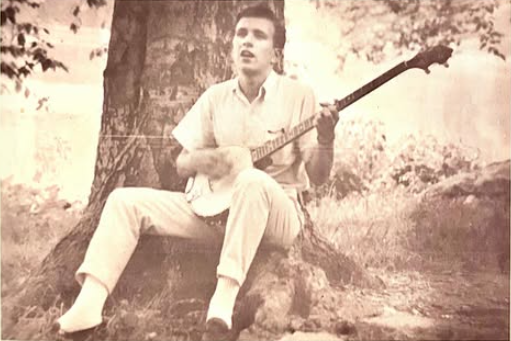
Music became the place where McLean could place emotions that were difficult to explain. Because of asthma, he spent long periods away from ordinary school routines and turned inward.
During that time, he learned guitar, developed his voice, and built a strong sense of discipline. His control over breath later became one of the recognizable qualities of his singing style.
That ability allowed him to deliver long, emotional phrases with calm precision. It helped give his songs a reflective and deeply personal sound.
Still, talent did not bring immediate success. Before reaching a wider audience, McLean faced more than seventy rejections from labels and industry figures.
Many artists might have stopped after so many closed doors. McLean continued, treating rejection as another part of the path he had to survive.
The Breakthrough of American Pie
His debut album Tapestry was released in 1969. It gained attention, but it did not immediately transform his career.
The major turning point came two years later with American Pie. The song became far more than a popular single; it became a cultural landmark.
Inspired in part by the death of Buddy Holly, American Pie expanded into a layered reflection on memory, loss, change, and a country moving through uncertainty.
McLean described it as a “rock’n’roll dream sequence,” a phrase that captured its unusual structure and symbolic power.
Listeners did not simply enjoy the song. They studied it, debated it, and searched for meaning in its images and references.
The song reached number one, sold millions of copies, and made McLean a global name. Almost overnight, the private songwriter became a public figure.

Success, Complexity, and Contradiction
Even with major success, McLean’s life remained complicated. His personal relationships were often strained, and his marriages ended in divorce.
Later controversies and accusations added further complexity to how the public viewed him. His legacy became connected not only to his music, but also to difficult questions about his personal life.
McLean has pushed back against some of those narratives and has spoken about trying to break the cycle of pain he experienced growing up.
Others, including family members, have shared different perspectives. The result is a life story that remains layered, unresolved, and deeply human.
The Emotional Power of His Songs
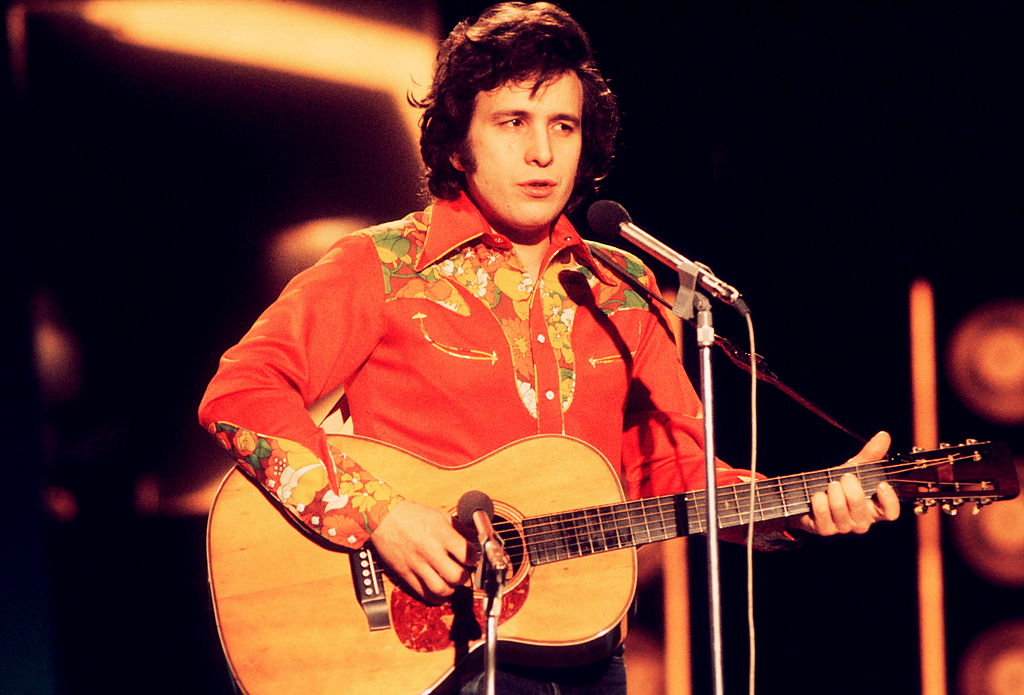
What remains clear is the lasting effect of McLean’s music. Songs such as “Vincent,” inspired by Vincent van Gogh, show his ability to express another person’s pain with tenderness and depth.
His best work carries emotion in a way that feels personal rather than distant. It gives listeners the sense that the pain behind the songs was lived, not imagined.
That may be one reason his music continues to endure. It speaks to grief, longing, memory, and the search for understanding.
The boy who once felt hurt and unseen became an artist who helped millions of people feel understood.

A Legacy That Endures
Don McLean’s life cannot be reduced to one simple label. It contains triumph, pain, contradiction, and artistic achievement.
His past was not erased by success, but it became part of the emotional foundation of his work. Through music, he transformed private suffering into songs that reached across generations.
His legacy remains powerful because it is not polished into perfection. It is complicated, emotional, and human.
Inside the songs, there is still the echo of a fifteen-year-old boy grieving a sudden loss and trying to understand a world that changed too quickly.
Through that pain, McLean found a voice. Through that voice, his music continues to last.