
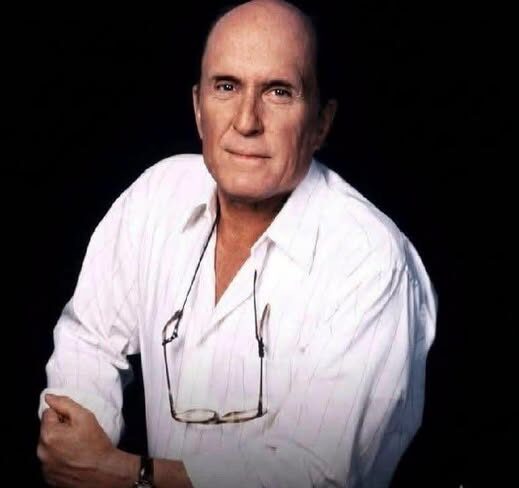
Hollywood Mourns Robert Duvall: Legendary Oscar-Winning Actor Dies at 95, Leaving Behind an Unforgettable Legacy
The Acclaimed Star of The Godfather, Apocalypse Now, and Tender Mercies Is Remembered for More Than Six Decades of Remarkable Performances
Hollywood is mourning the loss of one of its most respected performers. Robert Duvall, the Academy Award-winning actor whose extraordinary career spanned more than six decades, has died at the age of 95.
His family announced that he passed away peacefully at his home in Middleburg, Virginia, surrounded by his wife and loved ones.
For generations of moviegoers, Duvall represented a rare kind of screen presence. He could command attention without raising his voice, convey complicated emotions through the smallest expressions, and transform supporting characters into unforgettable parts of cinematic history.
From his portrayal of Tom Hagen in The Godfather films to his memorable performance as Lieutenant Colonel Bill Kilgore in Apocalypse Now, Duvall demonstrated an extraordinary ability to bring different personalities to life.
His death marks the end of a remarkable personal and professional journey, but the characters he created remain an enduring part of American cinema.
Robert Duvall’s Family Announces His Peaceful Passing
Duvall’s family shared the news of his death, confirming that the actor passed away at home in Middleburg, Virginia.
He was 95 years old, having spent much of his adult life building a career that earned him recognition as one of Hollywood’s most accomplished dramatic actors.
His wife and other loved ones were beside him during his final moments, providing a private family setting for his passing.
The announcement prompted a period of remembrance for a performer whose work had connected with audiences across several generations.
While many actors become associated with a particular role or period of filmmaking, Duvall’s achievements extended across decades and included characters with strikingly different personalities.
His performances ranged from restrained and thoughtful to forceful and commanding, reflecting the versatility that became one of the defining characteristics of his career.
For those who admired his work, the news represents the loss of an actor whose influence cannot be measured by awards alone.
From San Diego to a Life Dedicated to Acting
Robert Duvall was born in San Diego in 1931, long before his name became associated with some of the most memorable films in American cinema.
His path toward acting included service in the United States Army, an experience that preceded his decision to pursue a professional career in performance.
After his military service, Duvall committed himself to the craft that would ultimately define his public life.
Acting became more than a profession. Over the following decades, it provided the foundation for an extraordinary body of work involving complex characters, emotional storytelling, and an unmistakable personal style.
His development as a performer eventually brought him into major film productions, where he established a reputation for bringing authenticity and depth to his roles.
Rather than relying exclusively on dramatic gestures, Duvall became particularly effective at portraying characters whose emotions were often expressed through restraint.
That approach allowed him to create performances that felt natural while still carrying considerable dramatic weight.
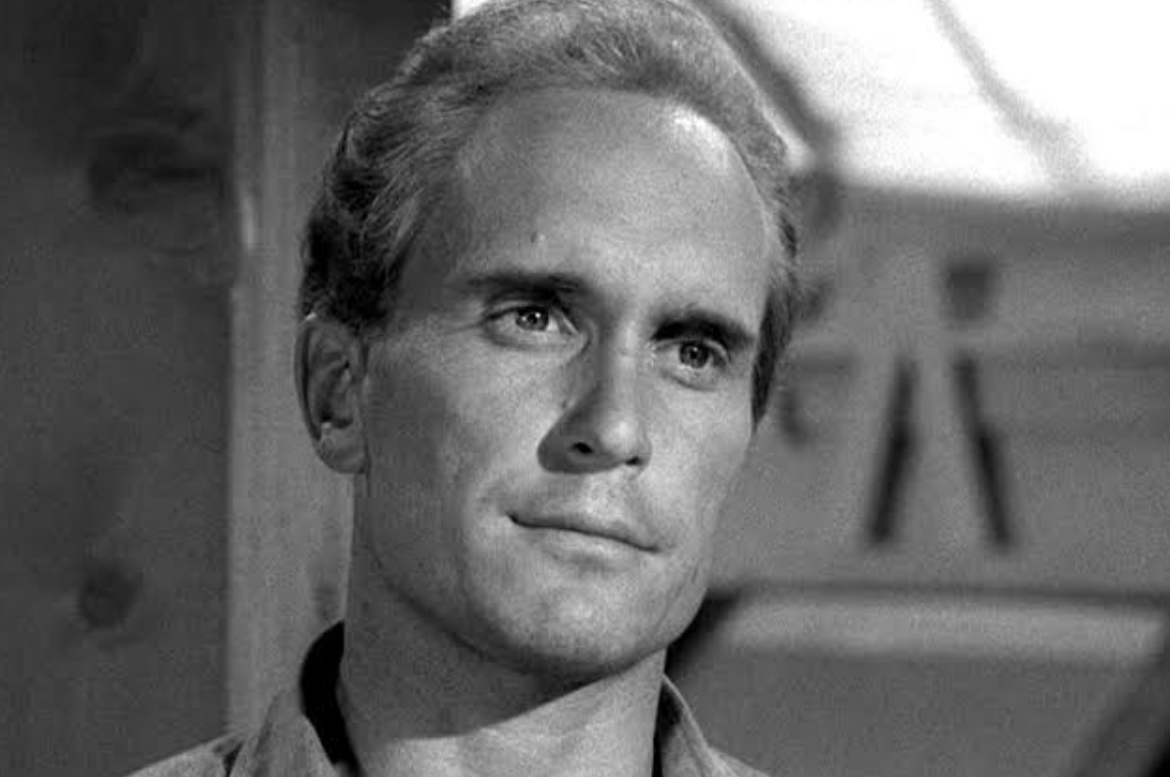
His Unforgettable Performance as Tom Hagen in The Godfather
Among Duvall’s most recognizable achievements was his portrayal of Tom Hagen in The Godfather films.
The character required a careful balance of intelligence, composure, loyalty, and emotional control.
Duvall brought those qualities together in a performance that became an essential part of the films’ enduring appeal.
Tom Hagen was not defined by constant displays of emotion or an overwhelming physical presence. Much of the character’s authority came from his measured behavior and ability to remain composed in difficult circumstances.
Duvall’s understated performance demonstrated how an actor could create a powerful impression without dominating every scene through dialogue or movement.
His portrayal also highlighted his ability to communicate a character’s internal conflicts through subtle expressions and controlled reactions.
For audiences familiar with The Godfather films, Tom Hagen remains one of the clearest examples of Duvall’s distinctive approach to acting.
The role helped establish him as a performer capable of giving supporting characters the same emotional importance as leading figures.
A Completely Different Character in Apocalypse Now
Duvall’s versatility became especially apparent in Apocalypse Now, where he portrayed Lieutenant Colonel Bill Kilgore.
The role offered a striking contrast to the composed and restrained Tom Hagen.
As Kilgore, Duvall brought an intense and commanding personality to the screen, demonstrating his ability to move between dramatically different character types.
The performance became one of the most recognizable parts of his filmography.
Where Tom Hagen relied on calm authority, Kilgore was defined by a far more forceful presence.
Both portrayals required the actor to establish a convincing personality, but they achieved that goal through different emotional and physical approaches.
This contrast became an important illustration of Duvall’s range.
He was not confined to a single style of character or performance. Instead, he adapted his approach to the particular demands of each story.
His work in Apocalypse Now reinforced his reputation as an actor who could make even the most unusual or complicated characters memorable.
The Role That Earned Him an Academy Award
One of the defining achievements of Duvall’s career came with his performance in Tender Mercies.
His work in the film earned him the Academy Award for Best Actor in 1984, recognizing the emotional depth and authenticity he brought to the role.
The achievement represented a major milestone in a career already distinguished by memorable performances.
It also highlighted the effectiveness of the acting style that had become closely associated with him.
Duvall’s strength was not limited to delivering dramatic dialogue. He had a remarkable ability to make quiet moments feel meaningful.
In Tender Mercies, that ability became central to the emotional impact of his performance.
The Academy Award confirmed the esteem in which his work was held and remains one of the most significant honors of his professional life.
Yet the award was only one part of a much broader record of achievement.
Across his career, Duvall received seven Oscar nominations, reflecting the consistency and range of his contributions to film.
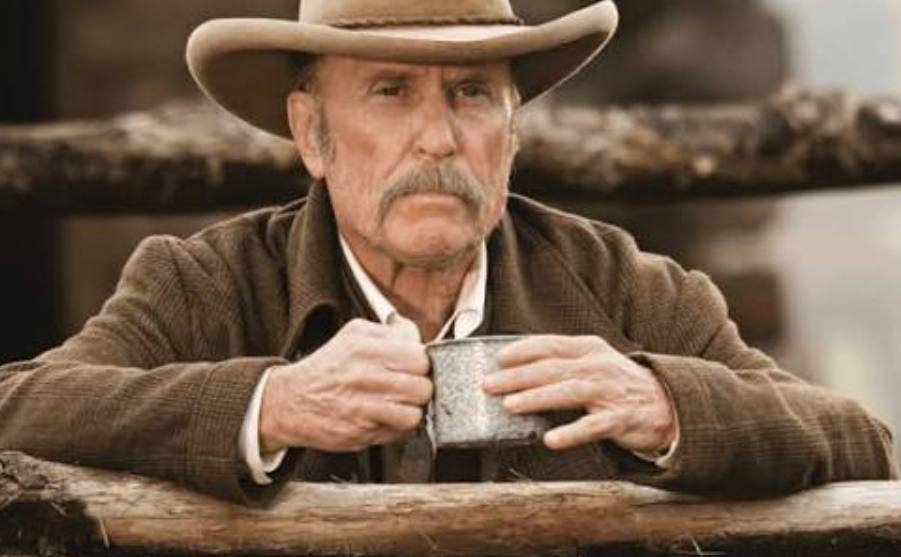
Seven Oscar Nominations Across an Extraordinary Career
Receiving seven Academy Award nominations is a remarkable achievement, particularly for an actor whose work extended across such a long period.
For Duvall, those nominations reflected recognition of performances that explored different personalities, circumstances, and emotional experiences.
His career was not built around repeating one successful character type.
Instead, he demonstrated a willingness to inhabit roles that required different approaches to storytelling.
Some of his characters were defined by quiet reflection, while others displayed strong personalities and commanding behavior.
What connected these performances was the sense of authenticity he brought to them.
Even when portraying complicated men, Duvall found ways to reveal human qualities that made the characters compelling.
His recognition by the Academy reflected an enduring commitment to the craft of acting rather than a single celebrated performance.
The seven nominations and his Best Actor victory stand as lasting markers of that accomplishment.
Lonesome Dove, The Apostle, and Open Range Expanded His Legacy
Beyond his most widely recognized film roles, Duvall continued demonstrating his abilities through projects including Lonesome Dove, The Apostle, and Open Range.
These productions contributed to the breadth of a career that encompassed different storytelling styles and character experiences.
Each offered another opportunity for Duvall to explore the emotional complexity that had become central to his performances.
His work showed that a character did not need to be entirely admirable or easily understood to become meaningful to an audience.
Instead, he frequently portrayed men whose personalities contained contradictions, vulnerabilities, and difficult choices.
That willingness to embrace complexity helped distinguish his performances from simpler character portrayals.
In Lonesome Dove, The Apostle, and Open Range, his involvement added further depth to an already substantial body of work.
These projects also demonstrated the longevity of his career, showing that his commitment to acting continued well beyond the period of his earliest celebrated films.
Why Robert Duvall’s Acting Style Was So Distinctive
One of Duvall’s greatest strengths was his ability to communicate emotion without relying on exaggerated performances.
He often allowed a character’s behavior, expressions, and moments of silence to carry the emotional weight of a scene.
This restrained approach made his portrayals feel believable, even when the characters themselves were involved in extraordinary circumstances.
His performances frequently invited audiences to consider what a character was thinking rather than simply responding to what the character said.
That distinction helped create a sense of psychological depth.
In some roles, Duvall’s authority came from his composure. In others, it emerged through intensity and determination.
He could portray strength without eliminating vulnerability and reveal uncertainty without weakening a character’s presence.
This balance was especially important when he played complicated men whose motivations could not be reduced to simple explanations.
His work demonstrated that powerful acting does not always require an obvious display of emotion.
Sometimes, the most memorable performance is the one that allows audiences to recognize feelings that remain largely unspoken.
Colleagues Remember His Dedication and Generosity
Following his death, tributes to Duvall emphasized not only his achievements on screen but also the qualities he brought to his professional relationships.
Colleagues remembered his dedication to acting and the generosity he demonstrated throughout his career.
These qualities contributed to a legacy that extended beyond his individual performances.
Acting involves collaboration, and Duvall’s long career placed him within countless creative environments where commitment to the work was essential.
His professional reputation reflected the seriousness with which he approached his roles.
For audiences, that dedication was visible in the finished performances.
For those who worked alongside him, it was also part of the experience of creating those performances.
The tributes therefore recognized both the public figure familiar to moviegoers and the colleague remembered by people who shared his professional journey.
More Than Six Decades of Storytelling
Few acting careers remain meaningful across so many different periods of filmmaking.
Duvall’s professional journey lasted more than six decades, allowing his work to become familiar to audiences of different ages.
Some viewers first encountered him through The Godfather films, while others came to appreciate his abilities through Apocalypse Now, Tender Mercies, or later projects.
This breadth helped establish a filmography that could be revisited and rediscovered.
His performances also demonstrated how storytelling can remain powerful without depending entirely on spectacle.
Through careful attention to character, Duvall made personal conflicts, difficult decisions, and quiet emotional moments central to the viewing experience.
His ability to bring humanity to complicated characters remained one of the qualities most closely associated with his work.
Across decades of changing film styles, that commitment to believable characterization provided continuity throughout his career.
A Final Farewell to One of Hollywood’s Most Respected Actors
Robert Duvall’s death at 95 closes an extraordinary chapter in American film history.
From his early life in San Diego and his military service to his rise as an Academy Award-winning performer, his journey was defined by a sustained dedication to acting.
His portrayals of Tom Hagen and Bill Kilgore demonstrated dramatically different sides of his abilities, while Tender Mercies brought him the industry’s highest acting honor.
Other projects, including Lonesome Dove, The Apostle, and Open Range, further strengthened his reputation for bringing authenticity to the screen.
Seven Oscar nominations and a career spanning more than six decades provide one measure of his achievements.
But the emotional connection audiences developed with his characters offers another.
Duvall’s greatest contribution was his ability to make fictional people feel recognizable, complicated, and deeply human.
His family and loved ones now mourn a personal loss, while admirers remember the performances that made him an enduring figure in cinema.
Although his life has come to an end, his work remains available to audiences who have followed his career for decades and to those encountering his films for the first time.
Robert Duvall leaves behind more than a collection of celebrated roles. He leaves a body of work that demonstrates how restraint, emotional honesty, and dedication can transform a performance into something unforgettable.
For generations of viewers, the characters he brought to life will remain a lasting reminder of his extraordinary talent.