
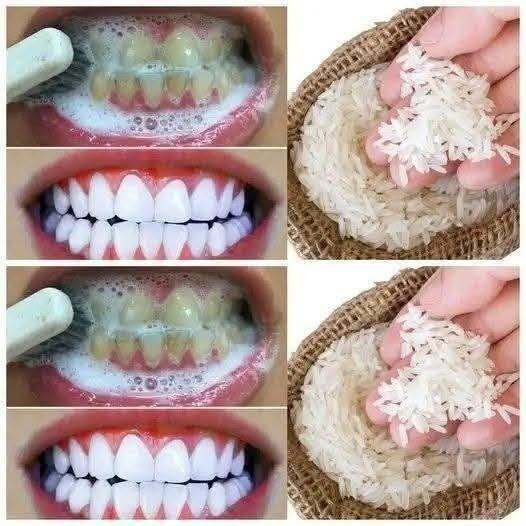
The Viral 60-Second Teeth Whitening Trick Could Put Your Enamel at Risk
A Simple-Looking Mixture With a Hidden Cost
The ingredients appear ordinary enough: rice flour, lemon juice, oil, and toothpaste. Combined in a small bowl, they are promoted online as a quick homemade treatment capable of producing dramatically whiter teeth in only 60 seconds.
The promise is easy to understand. Mix a few inexpensive household products, scrub the paste across the teeth for one minute, rinse, and supposedly reveal a brighter smile without purchasing a whitening kit or visiting a dental professional.
However, the temporary brightness created by this mixture may come at the expense of the tooth’s natural protective surface. Instead of safely changing the color of the teeth, the combination can rely on aggressive polishing and acidity to create a short-lived cosmetic effect.
That distinction matters because the outer layer of a tooth is not something the body can simply replace after it has been worn away. Once enamel becomes thinner, the resulting changes may be permanent.
Why the Teeth May Look Brighter at First
The apparent whitening effect can be misleading. Scrubbing the surface may remove some material or temporarily change how light reflects from the teeth, creating the impression of a cleaner and brighter smile.
Temporary dehydration may also influence the way the teeth look immediately after treatment. A tooth that appears lighter for a brief period has not necessarily become healthier or undergone safe, lasting whitening.
The effect can resemble aggressive polishing rather than controlled stain removal. While a person may notice a visible change after rinsing, the underlying tooth structure may have experienced unnecessary stress.
This is one reason dramatic before-and-after videos should be viewed cautiously. A quick visual difference does not reveal whether the enamel has been softened, scratched, or gradually thinned.
Rice Flour Adds More Abrasion
Rice flour may feel soft when handled, but in a homemade dental mixture it functions as an abrasive material. As it is rubbed against the teeth, its particles can contribute to the physical polishing of the enamel surface.
Toothpaste already contains ingredients intended to help remove debris and surface discoloration during normal brushing. Adding rice flour increases the amount of scrubbing material being applied at the same time.
The danger is not necessarily obvious after a single use. Damage associated with excessive abrasion can develop gradually, especially when a viral technique is repeated because the first application appeared successful.
A person may begin by using the mixture once, then apply it more frequently in an attempt to maintain or intensify the result. Repeated scrubbing can make the tooth surface rougher and more vulnerable rather than stronger or cleaner.
Lemon Juice Creates an Acidic Environment
Lemon juice is often included because it is associated with freshness, cleaning, and natural brightness. On teeth, however, its acidity changes the mixture from a simple abrasive paste into a potentially harsher combination.
Acid can soften the enamel surface. Scrubbing softened enamel with rice flour and toothpaste may increase the possibility of wearing away part of the tooth’s protective outer layer.
This creates a damaging sequence. The lemon juice weakens the surface while the abrasive ingredients rub against it, combining chemical exposure with physical friction.
The process may not produce immediate pain, which can make it seem harmless. Enamel loss can continue quietly until sensitivity, surface changes, or darker-looking teeth become noticeable.
Toothpaste Does Not Make the Mixture Safe
Because toothpaste is designed for oral care, its presence may make the recipe seem more trustworthy. Yet toothpaste is formulated to be used in a specific way, generally with a soft-bristled toothbrush and normal brushing pressure.
Mixing it with acidic lemon juice and additional abrasive powder changes the conditions under which it is being used. The familiar ingredient does not neutralize the acidity or guarantee protection from excessive polishing.
More scrubbing power does not automatically mean better whitening. When the surface is repeatedly rubbed with several abrasive ingredients, the treatment may remove more than ordinary stains.
A safe-looking tube of toothpaste cannot protect enamel from every homemade combination. The complete mixture and the way it is applied determine the level of risk.
Oil Does Not Provide a Protective Barrier
A small amount of oil is sometimes added to make the paste smoother and easier to spread. It may also create the impression that the teeth are being coated or protected during the treatment.
That impression can be deceptive. Olive oil does not provide a meaningful shield capable of preventing the abrasive and acidic ingredients from affecting the enamel.
The oil may improve the texture of the mixture, but a smoother paste is not necessarily a safer paste. The rice flour, toothpaste, and lemon juice still come into direct contact with the tooth surface.
As a result, the presence of oil should not be treated as evidence that the recipe has been balanced or made gentle enough for repeated use.
Enamel Loss Can Make Teeth Look More Yellow
The most troubling part of aggressive homemade whitening is that it may eventually produce the opposite of the desired result. Enamel helps give teeth their smooth, protected appearance.
As that outer layer becomes thinner, the naturally warmer color beneath it can become more visible. Teeth may then appear increasingly yellow even though the person continues trying to whiten them.
This can lead to a harmful cycle. A person notices yellowing, scrubs harder or uses the mixture more often, and unintentionally removes additional enamel.
Unlike an ordinary surface stain, enamel loss cannot be brushed away. Chasing a brighter shade through stronger abrasion may deepen the cosmetic problem while also weakening the teeth.
Sensitivity May Be an Early Warning Sign
Increased sensitivity can develop when the tooth’s protective surface is compromised. Cold drinks, hot foods, sweet items, or even cool air may begin to cause discomfort.
At first, the sensation may be brief and easy to ignore. Over time, however, repeated exposure to abrasive and acidic mixtures can make sensitivity more noticeable.
A rougher surface can also feel different to the tongue. The teeth may no longer feel as smooth as they did before the homemade treatment was introduced.
These changes should not be dismissed as proof that the mixture is working. Discomfort and roughness can signal that the treatment is affecting more than superficial discoloration.
Social Media Rewards Dramatic Results
Short videos are designed to attract attention quickly. A claim that teeth can become dramatically whiter in one minute is more likely to receive clicks and shares than a gradual routine focused on protecting enamel.
The format also makes it difficult to show long-term consequences. A creator can display an immediate result, but viewers rarely see how the same teeth look after weeks or months of repeated use.
Lighting, camera settings, dehydration, and aggressive polishing may all influence the appearance of a viral transformation. None of these factors confirms that the technique is safe.
The popularity of a method should not be confused with evidence that it protects dental health. A widely repeated recipe can still expose users to irreversible damage.
Gentler Whitening Choices
A brighter smile does not require harsh experimentation with acidic kitchen ingredients. Whitening methods should focus on lifting stains while preserving the enamel that protects the teeth.
ADA-approved whitening toothpaste offers a more controlled option for regular use. It is designed specifically for the mouth rather than assembled from ingredients intended for unrelated household purposes.
Occasional baking soda paste may also be used as a gentler approach when it is not applied aggressively. The goal should be careful surface cleaning, not forceful scrubbing in search of an instant transformation.
Oil pulling is another option some people choose as part of their oral-care routine. It should not be viewed as a replacement for brushing, but it avoids combining direct acid exposure with abrasive polishing.
Professional whitening treatments provide another path for people seeking a more noticeable change. These treatments can address discoloration while taking the condition of the teeth and enamel into consideration.
Daily Habits Matter More Than a One-Minute Trick
Protecting enamel begins with ordinary habits rather than dramatic remedies. Fluoride toothpaste and a soft-bristled toothbrush can clean the teeth without relying on excessive force.
Gentle brushing is important because pressure does not automatically improve cleaning. Scrubbing harder may increase wear without producing a healthier result.
Consistency also matters more than a viral shortcut. A careful routine performed regularly is less dramatic on camera, but it is more respectful of the tooth structure that must last for a lifetime.
Whitening should never require sacrificing comfort or protection. A cosmetic result that creates sensitivity or permanent erosion is not a successful result.
A Healthy Smile Does Not Need to Be Filter-White
Natural teeth are not always perfectly white. Their shade can vary, and a slightly warmer color does not mean they are dirty, damaged, or unhealthy.
Online filters and edited images can create unrealistic expectations about how a normal smile should look. Trying to match those images may encourage people to use increasingly harsh methods.
An intact tooth with a natural shade is healthier than a brittle tooth that has been repeatedly polished in pursuit of an artificial level of whiteness. Enamel protection should remain more important than a momentary visual effect.
The rice flour, lemon, oil, and toothpaste mixture may look harmless, but its combination of abrasion and acidity can place permanent tooth structure at risk. The brightest choice is not the one that changes a smile in 60 seconds, but the one that protects it for years.