
Rosie O’Donnell Shares Emotional Reflection on Daughter Chelsea’s Time in Prison
Rosie O’Donnell Opens Up About Daughter Chelsea’s Prison Struggles and a Mother’s Unconditional Love
Rosie O’Donnell has shared a deeply personal reflection about her daughter Chelsea’s time in prison, offering a painful and intimate look at what her family has been facing behind the scenes.
The comedian opened up through an emotional poem posted on June 12, describing the worry, uncertainty, and complicated love that have surrounded her daughter’s incarceration. The piece gives a raw account of a mother trying to stay connected to her child while navigating strict prison rules, silence, fear, and hope for the future.
At the center of the reflection is Chelsea, who is 28 years old and has been behind bars since October after her probation was revoked. She had faced multiple arrests in 2024 connected to child neglect and drug possession charges.
A Silence That Felt Different
Rosie began the poem by writing about a stretch of time that immediately felt unusual to her. More than a week had passed without hearing from Chelsea, and that silence troubled her because her daughter had recently been moved from jail to prison.
“Been over a week I haven’t heard from her not normal she was moved to prison from jail,” the poem starts.
Those opening words set the tone for the entire piece. Rather than presenting the situation from a distance, Rosie writes from the emotional center of it, as a mother who knows the rhythm of her daughter’s calls and understands when something feels wrong.
The lack of contact was not simply an inconvenience. It became a source of worry, especially because Chelsea’s move from jail to prison marked a serious change in her circumstances.
For any parent, silence from a child during a difficult moment can become overwhelming. In Rosie’s case, that silence unfolded while her daughter was facing the reality of prison life, leaving her to imagine what Chelsea might be experiencing without being able to hear directly from her.

Chelsea’s Life Behind Bars
Rosie’s poem also describes the harsh conditions Chelsea has been enduring while incarcerated. She wrote about months of lockdown, with Chelsea kept inside for 23 hours a day and given only 45 minutes outside in the sun.
That detail gives a clearer picture of the environment Chelsea has been living in. The restricted movement, limited outdoor time, and long hours confined indoors appear to have weighed heavily on Rosie as she tried to process what her daughter was going through.
The poem does not soften the reality of the situation. Instead, Rosie describes the experience with a sense of pain and helplessness, showing how difficult it can be for a parent to know a child is living under severe restrictions.
Chelsea’s incarceration also comes at a time when she is separated from her children. She is a mother of four, with three daughters and one son, and Rosie made clear that the impact of that separation is part of the family’s ongoing heartbreak.
The children have not yet been able to visit Chelsea, and that absence remains one of the most painful elements in Rosie’s reflection. The distance between a mother and her children adds another layer to an already complicated family situation.
A Complicated Mother-Daughter Bond
Rosie and Chelsea’s relationship has had difficult chapters over the years, but the poem reveals that this painful period has also brought them closer. Rosie described their improved connection as a silver lining in an otherwise heartbreaking experience.
That statement carries emotional weight because it acknowledges both the hardship and the unexpected tenderness that can exist at the same time. The circumstances are painful, but within them, Rosie has found a renewed bond with her daughter.
The poem speaks about daily phone calls and the gratitude Rosie feels that Chelsea is still alive. Those calls appear to have become a meaningful part of their connection, giving both mother and daughter a way to remain present in each other’s lives despite the prison walls between them.
For Rosie, the calls are not described as routine. They are presented as something precious, a fragile line of communication that brings comfort during a frightening and uncertain time.
Her gratitude that Chelsea is still here is one of the most powerful emotional threads in the poem. It shows a mother focusing not only on what has gone wrong, but also on the fact that her daughter still has a chance to move forward.

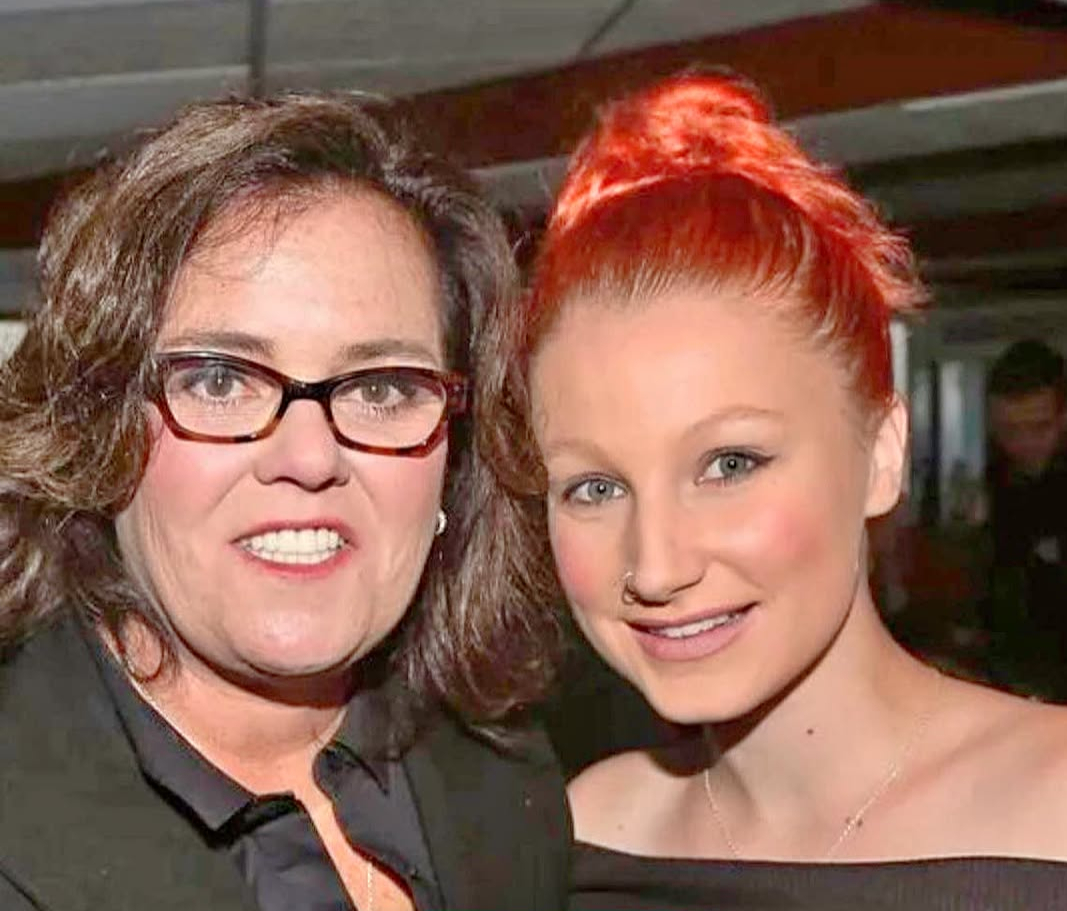
📷 Rosie O’Donnell and Chelsea Belle O’Donnell in 2016.
Credit: Getty Images
Hope for a Fresh Start
Even while describing the difficulty of Chelsea’s current situation, Rosie also looks ahead. She writes about imagining her daughter’s release and the possibility of a new beginning.
That future, as Rosie describes it, is centered on a life free from drugs and focused on reconnecting with Chelsea’s children. The vision is not one of instant repair, but of recovery, rebuilding, and the possibility of healing after a painful chapter.
Rosie’s words suggest that she is trying to hold on to hope without ignoring the seriousness of what has happened. She recognizes the damage, the legal consequences, and the family pain, while still believing that Chelsea can find a different path.
The idea of a fresh start carries deep meaning in the poem because it is tied not only to Chelsea’s freedom, but also to her role as a mother. Reconnecting with her children appears to be one of the hopes Rosie is holding closest.
That hope is described in personal and emotional terms, not as a guarantee. It is the hope of a mother who has seen her child struggle and still believes that change remains possible.
The Prison Visit
Rosie also wrote about visiting Chelsea in person, describing the strict rules that shaped the encounter. The visit allowed only one hug at the beginning and one hug at the end.
There could be no exchanging money. Hands had to remain visible on the table at all times. Voices could not be raised.
These rules created a controlled and tense setting for a meeting that was already filled with emotion. For Rosie, seeing Chelsea under those circumstances was overwhelming.
When she first saw her daughter, Rosie wrote that her heart skipped a beat. Chelsea appeared healthy and calm, with clear skin and rested eyes, dressed in her green prison uniform.
That image seems to have affected Rosie deeply. After worrying about her daughter and going through a period of silence, seeing Chelsea looking physically well brought a complicated kind of relief.
The description is tender but restrained. Rosie does not present the visit as easy. Instead, she shows how powerful it was simply to see her daughter in person and recognize signs of health and calmness in her appearance.
A Visit Cut Short
The visit did not end in the way Rosie may have hoped. It was cut short because of a tornado warning, forcing the emotional meeting to end earlier than expected.
Afterward, Rosie drove through the storm, carrying the weight of everything she had just experienced. The weather became part of the emotional landscape of the day, matching the intensity of the visit itself.
She described it as a big day for both of them, a phrase that captures how much meaning was contained in that brief, regulated encounter.
The visit was not only about seeing Chelsea. It was about confronting the reality of her daughter’s life in prison, the limits placed on their contact, and the pain of leaving again after only a short time together.
For Rosie, the day seemed to hold many emotions at once: fear, relief, sadness, love, and a cautious sense of hope. The storm afterward only added to the feeling of a mother trying to process something too large to neatly explain.

The Pain of Separation From Chelsea’s Children
One of the most difficult parts of Rosie’s reflection involves Chelsea’s four children. Chelsea is a mother to three girls and a boy, and Rosie wrote about how hard it has been that they have not yet been able to visit her.
That detail gives the story a broader emotional impact. Chelsea’s incarceration affects not only Rosie and Chelsea, but also the children who are separated from their mother.
Rosie’s poem does not present easy answers about that separation. Instead, it allows the pain of the situation to stand on its own.
The absence of the children from visits appears to weigh heavily on the family. Their inability to see Chelsea adds another source of grief to a situation already marked by legal trouble, confinement, and emotional strain.
For Rosie, this part of the story seems especially painful because it connects directly to motherhood. She is reflecting not only as Chelsea’s mother, but also as someone watching Chelsea experience separation from her own children.
Unconditional Love and Forgiveness
Near the end of the poem, Rosie turns toward a broader reflection on motherhood. She writes about unconditional love as the only path through being a mother, especially when circumstances become painful and complicated.
Her words focus on forgiveness, even when forgiveness feels difficult. The poem does not suggest that forgiveness erases consequences or removes pain, but it presents forgiveness as necessary for moving through motherhood with love intact.
Rosie’s reflection is not written from a place of perfection or certainty. It comes across as the voice of someone still learning, still hurting, and still trying to understand how to love through disappointment and fear.
“We live we learn we grow even at 64,” she concludes.
That final line gives the piece a sense of humility. Rosie presents herself not as someone with all the answers, but as a mother still growing through one of the most painful experiences a parent can face.
A Public Glimpse Into a Private Family Struggle
Rosie also shared a photo that appeared to come from the recent visit, showing Chelsea in her prison uniform. The image offered a public glimpse into a deeply private chapter for the family.
While the poem is emotional, it remains focused on the bond between a mother and daughter. It shows the hardship of incarceration, the pain of family separation, and the complicated hope that can remain even after serious mistakes and legal consequences.
The reflection also shows how family relationships can shift during crisis. Rosie and Chelsea have experienced difficult times, but this period has brought daily communication, deeper closeness, and a renewed focus on Chelsea’s future.
At the same time, the poem does not ignore the seriousness of Chelsea’s situation. She remains behind bars after her probation was revoked, following arrests in 2024 related to child neglect and drug possession charges.
Rosie’s writing holds those facts alongside a mother’s love. It does not excuse the pain, but it does not abandon hope either.
A Mother Holding on to Hope
Rosie’s poem stands as an emotional portrait of a mother facing fear, grief, and uncertainty while still choosing love. Her words reveal how difficult it has been to watch Chelsea endure prison life, especially during periods of silence and strict confinement.
They also show the importance of small signs of connection. A phone call, a visit, a hug at the beginning and end of a meeting, and the sight of Chelsea looking calm and healthy all become deeply meaningful.
For Rosie, the experience has forced reflection on what motherhood demands when life becomes painful. Her conclusion centers on unconditional love, forgiveness, and the belief that growth can continue at any age.
Through her poem, she presents a story filled with sorrow but not without hope. Chelsea’s present circumstances remain difficult, but Rosie is already imagining a future built around sobriety, healing, and reconnecting with her children.
It is a painful chapter for the family, but Rosie’s words make clear that she is still standing beside her daughter, still hoping for change, and still learning what it means to love through hardship.