
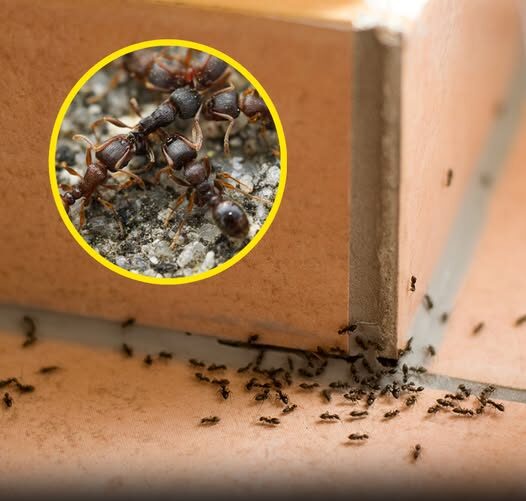
Simple Natural Ways to Keep Ants Out of Your Home
Why Ants Appear When the Weather Gets Warmer
As warmer weather arrives, many homeowners begin to notice more activity from insects around their homes. Spring and early summer bring sunshine, outdoor activities, and longer evenings, but they can also bring small household challenges.
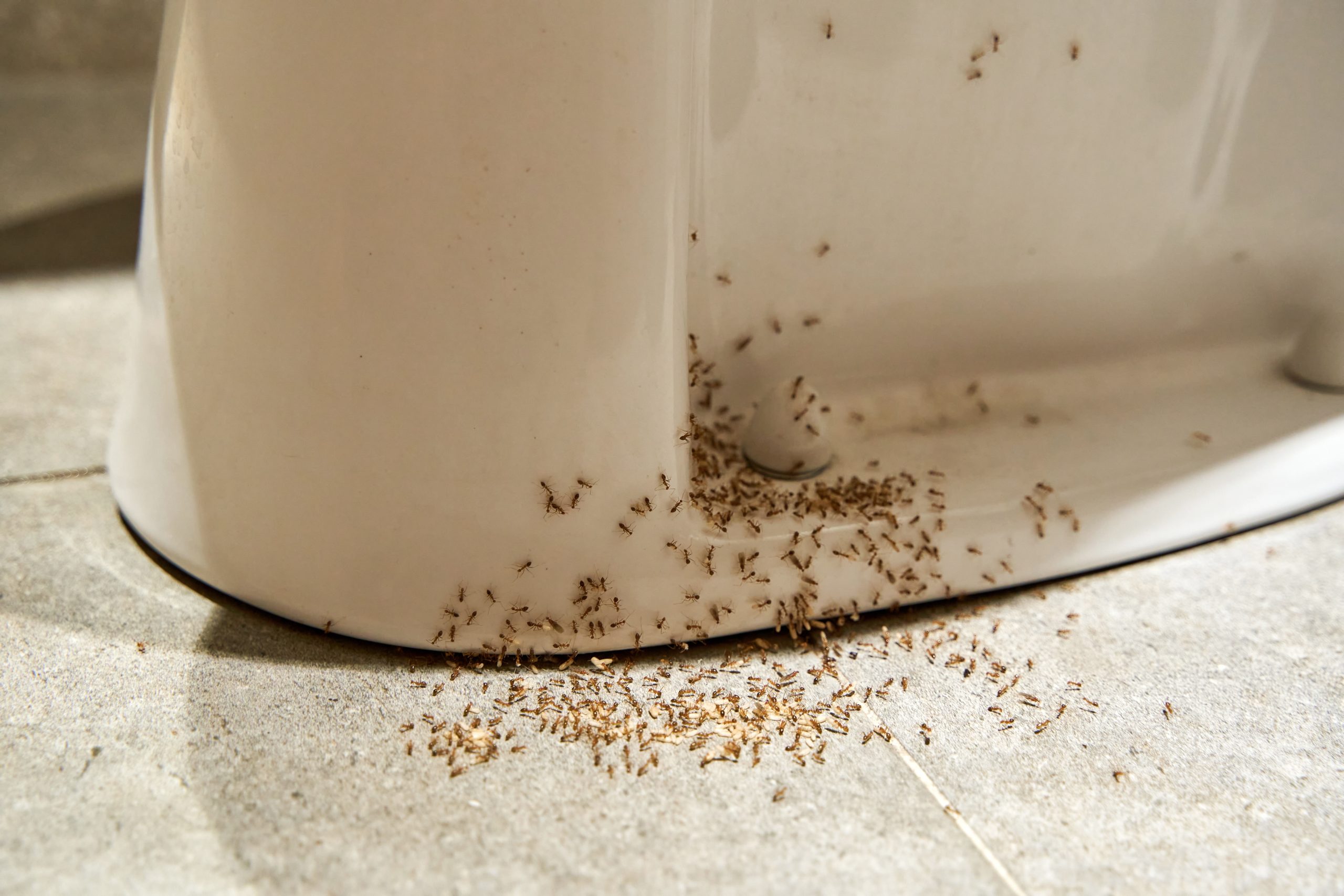
One of the most common issues during this season is the appearance of ants indoors.
When temperatures rise, ants become more active as they search for food sources. Early in the season, flowers and plants may not yet provide enough nourishment, so ants often look elsewhere for something sweet or easy to gather.
Homes can quickly become attractive targets because kitchens and dining areas frequently contain crumbs, sugar, and other food traces.
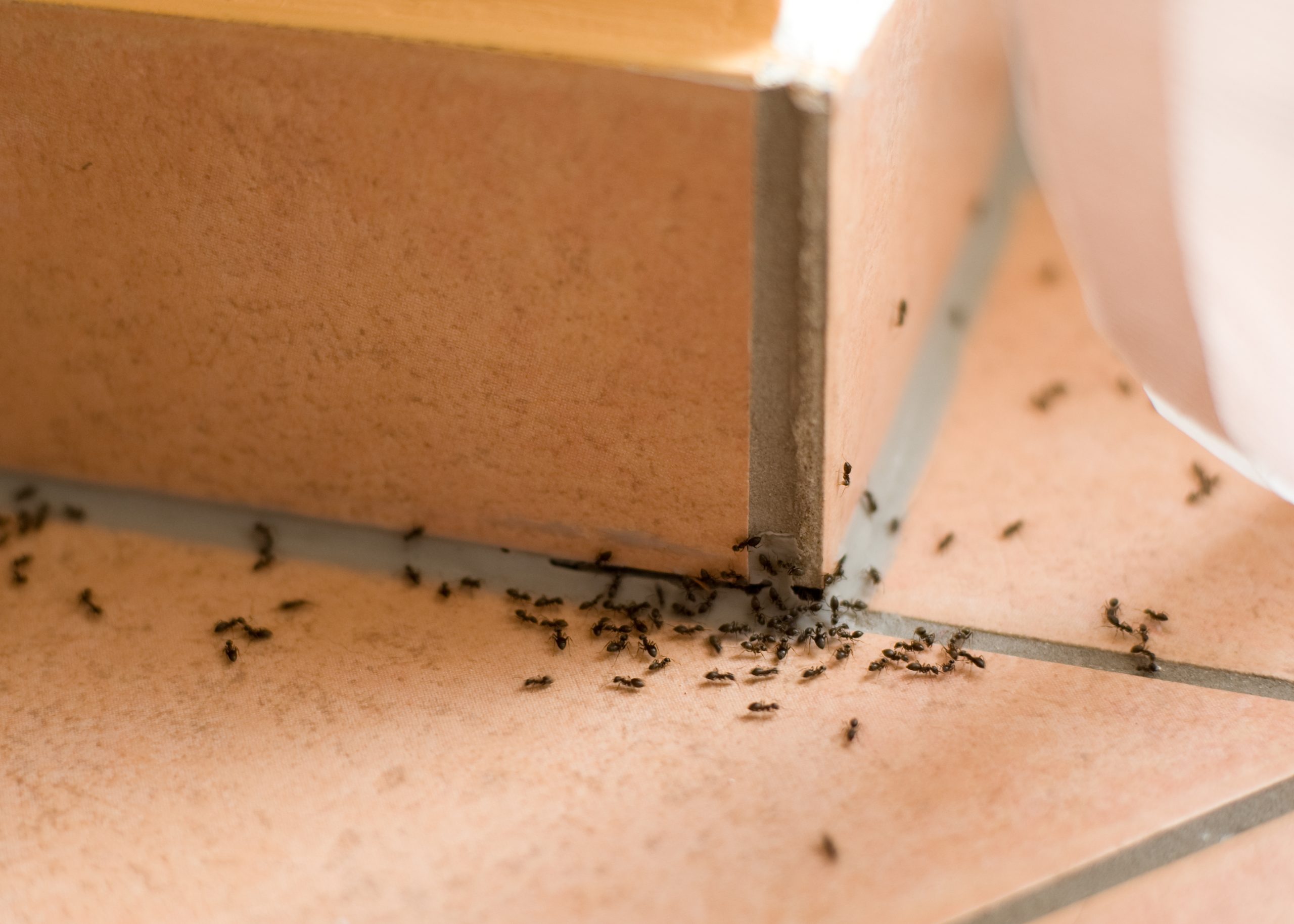
Once ants discover a food source, they leave a scent trail behind them so other ants can follow. This is why a few ants can quickly turn into many if the source of attraction is not addressed.
Why Many People Prefer Natural Solutions
While commercial insect sprays and pesticides are available, many homeowners prefer to start with simple, natural solutions.
This is especially true for households with children or pets where people want to avoid using strong chemicals indoors.
Fortunately, there are several household methods that can help discourage ants without the need for harsh products.
These approaches focus on removing food sources, disrupting scent trails, and making areas less appealing for ants to travel through.
Start With Prevention
The most effective way to deal with ants is to prevent them from entering your home in the first place.
Keeping surfaces clean is one of the most important steps.
Ants are especially attracted to sweet substances. Even a small drop of juice or a tiny crumb can be enough to attract them.
Regularly wiping counters, tables, and kitchen surfaces can help remove food residue before ants detect it.
It is also helpful to sweep and vacuum frequently to remove crumbs from floors and corners.
Another useful habit is storing food in sealed containers rather than leaving it exposed.
Pet food bowls can also attract ants, so removing leftover food and cleaning the surrounding area can help reduce interest from insects.

Reduce Moisture Around the Home
Ants are often attracted to areas with moisture as well as food.
Checking for small leaks around sinks, pipes, or outdoor foundations can help remove another reason ants may be drawn to your home.
Repairing leaks and keeping areas dry reduces the chances that ants will settle nearby.
Sealing small cracks around doors, windows, and walls can also prevent ants from entering through tiny openings.
Soap and Water Cleaning Method
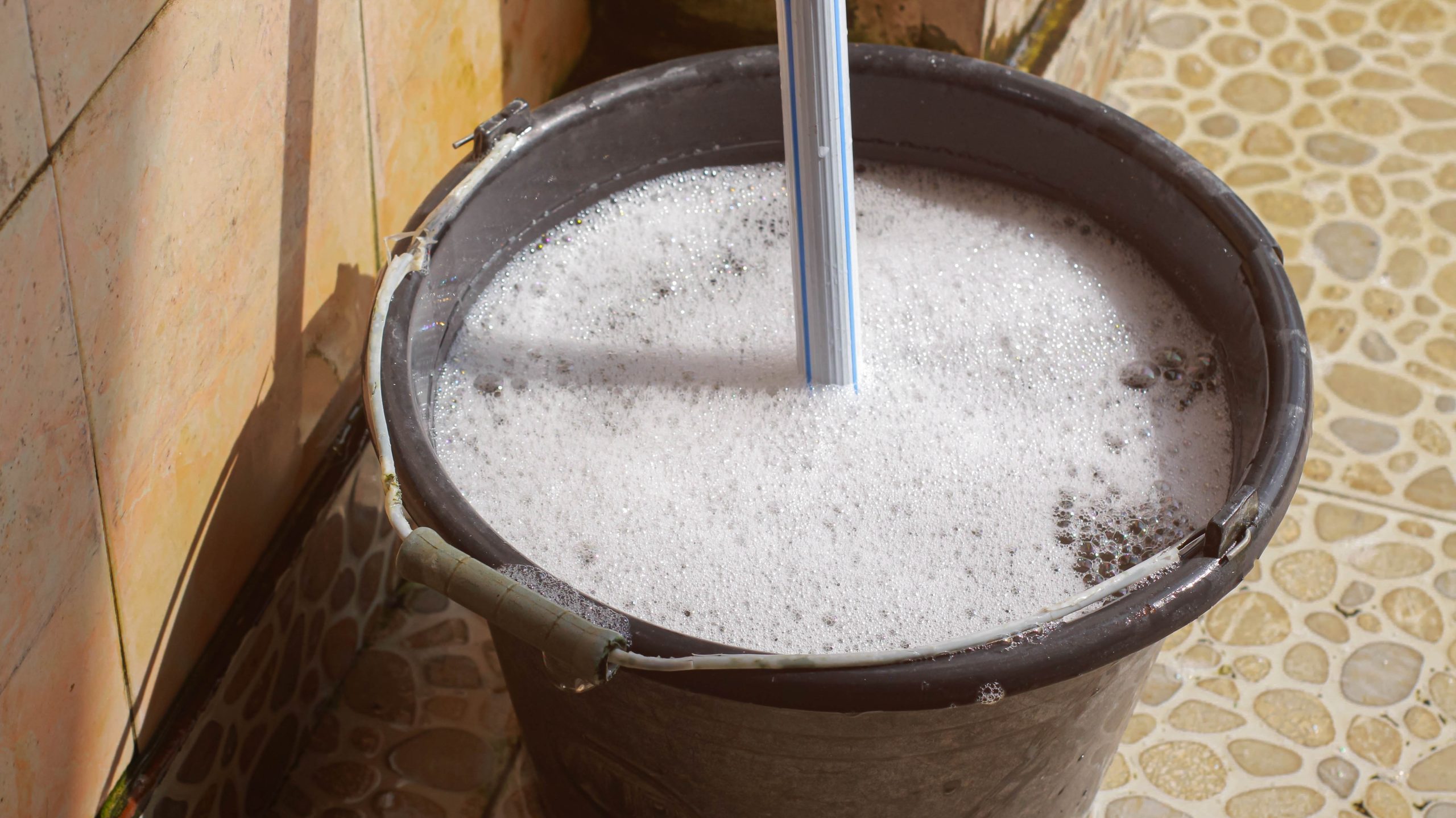
If ants have already appeared indoors, one of the simplest methods involves using soap and water.
The first step is to identify where the ants are entering your home.
Once the entry point is located, cleaning the area thoroughly with soapy water can help remove the scent trail that ants use to guide others.
This scent trail is how scout ants signal the path to food sources.
By washing the surface, the trail disappears and other ants may have difficulty following the route.
Applying soapy water along entry points such as doorways, corners, or small cracks may encourage ants to move elsewhere.
Using Cinnamon as a Natural Repellent
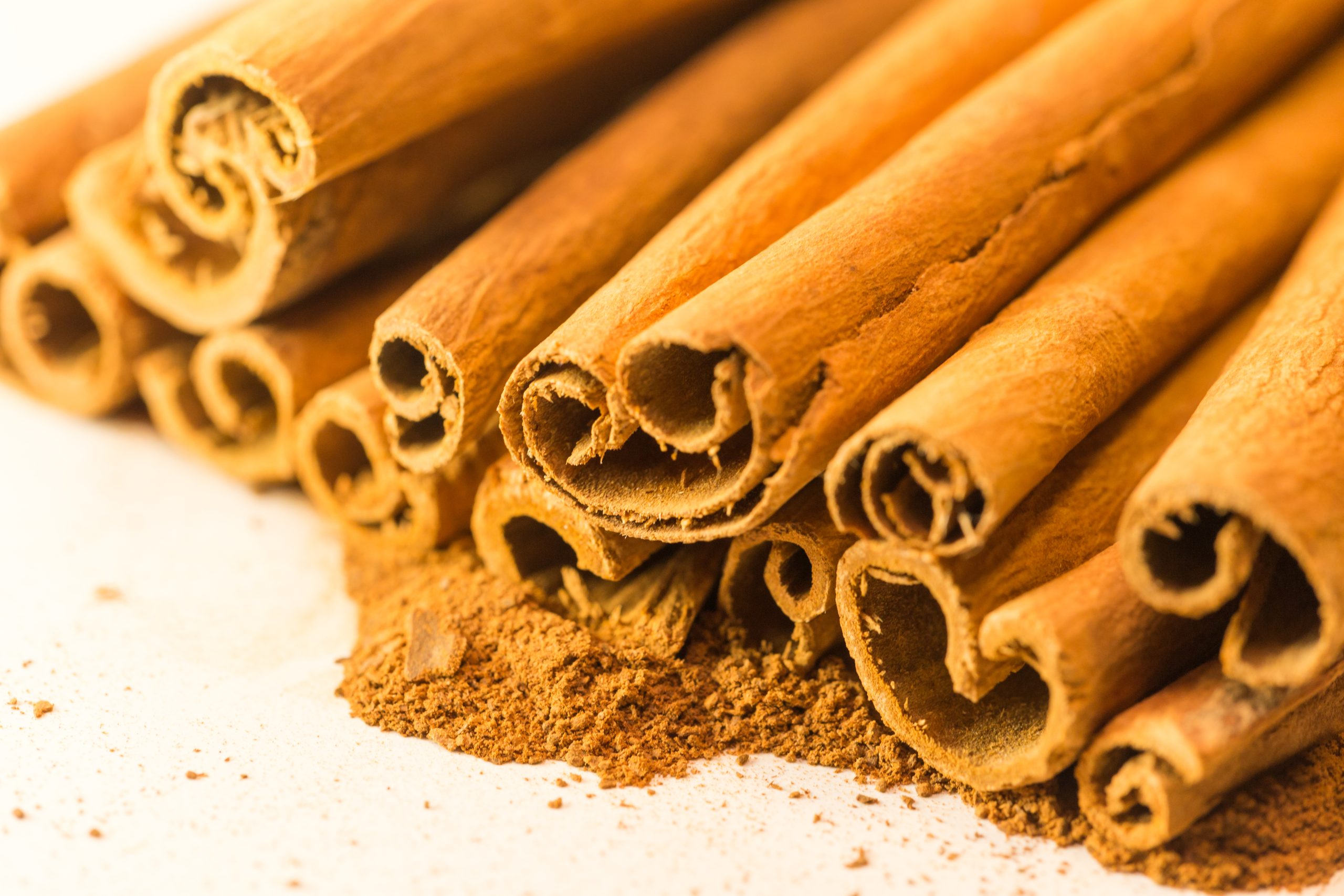
Cinnamon is another household ingredient that some people use to discourage ants.
The strong scent of cinnamon can make certain areas less appealing for ants to travel through.
To try this method, a small amount of cinnamon can be mixed with water and applied with a cotton ball along areas where ants are commonly seen.
Repeating the process regularly may help keep the scent noticeable enough to discourage activity.
Many people choose this option because it uses a familiar kitchen ingredient and requires minimal preparation.
Vinegar for Outdoor Areas
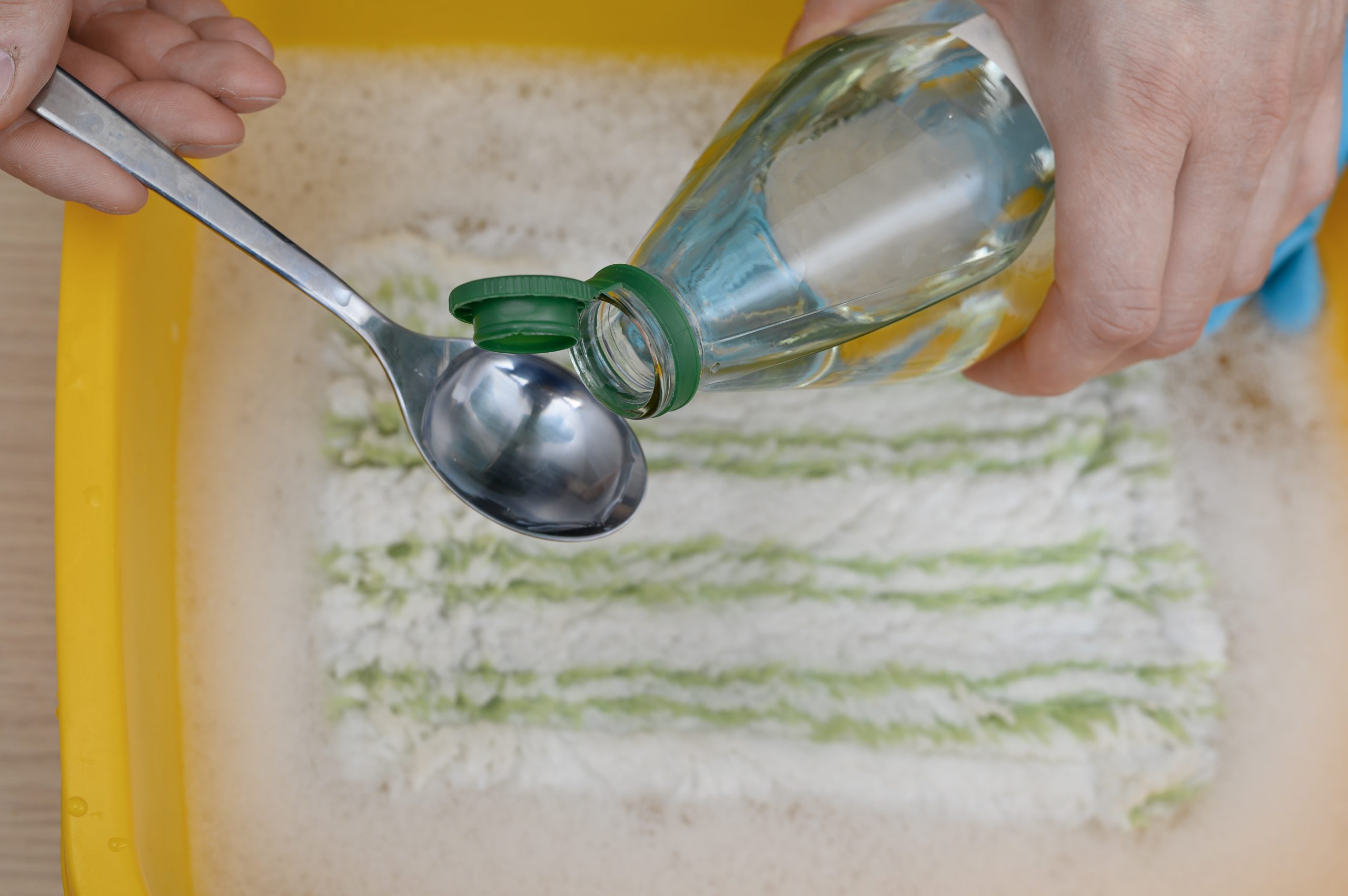
Vinegar is another commonly mentioned household solution.
The strong smell can temporarily mask the scent trails that ants rely on for navigation.
Some people apply diluted vinegar to areas where ants frequently travel, such as outdoor walkways or entry points near doors.
This can help disrupt the paths ants use to reach food sources.
Because vinegar evaporates over time, the treatment may need to be repeated periodically.
Managing Ants in the Garden
Ant activity can also appear in lawns and garden areas.
If ants are building nests in dry soil, watering the area regularly may encourage them to relocate to another location.
Moist soil conditions can make certain nesting spots less comfortable for ants.
Maintaining healthy garden conditions, removing food scraps, and cleaning outdoor eating areas can also help reduce ant attraction.
Why Consistency Matters
Ant control is often most effective when several small actions are combined.
Cleaning surfaces, sealing entry points, and using natural deterrents can work together to reduce ant activity over time.
Because ants communicate through scent trails, removing these signals repeatedly may gradually discourage them from returning.
Patience and regular cleaning habits can make a noticeable difference.
Maintaining a Comfortable Home Environment
Most ants enter homes simply because they are searching for food and water.
By removing these attractions and keeping living spaces clean, homeowners can reduce the likelihood of ants becoming regular visitors.
Natural household approaches can be a practical first step for many families who want to manage insects while maintaining a comfortable environment.
With consistent habits and a few simple techniques, it is possible to keep ant activity under control and enjoy the warmer months with fewer unwanted visitors indoors.