
Twiggy’s Iconic Pixie Cut Began With a Haircut She Was Too Shy to Refuse
The Unexpected Story Behind a Defining 1960s Look
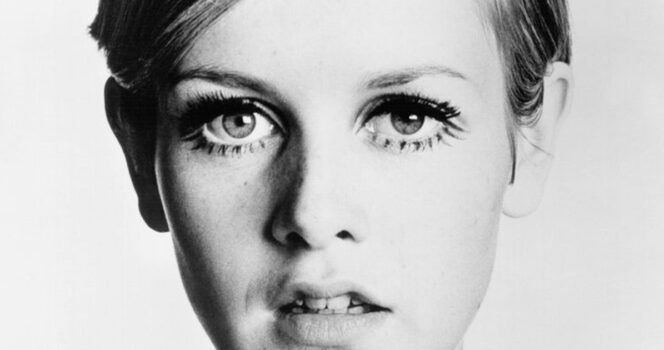
Twiggy became one of the most recognizable faces of the 1960s by pairing her delicate features, large blue eyes, and dramatic makeup with a closely cropped pixie hairstyle.
The look helped transform fashion and inspired countless imitations over the decades. Yet the legendary model later revealed that she never originally wanted the short haircut that became inseparable from her image.
Instead, the dramatic change began inside an elegant London salon, where a shy teenage Twiggy felt too uncomfortable to reject the suggestion of a famous hairstylist.
What started as an uncertain salon visit eventually became the turning point that launched her modeling career and helped define the visual identity of the Swinging Sixties.
A Young Model Searching for Her Place
Born Lesley Hornby, Twiggy was a British teenager hoping to establish herself in the highly competitive world of fashion.
In 1966, she was searching for a modern look that might help her gain attention and begin a professional modeling career.
At 5-foot-6, she had already been told that she was too short to succeed as a model. The criticism could have ended her ambitions before they truly began, but she continued looking for opportunities.
At the time, Twiggy still had shoulder-length hair. She visited the House of Leonard in London to have it styled before taking a series of test headshots.
The fashionable Mayfair salon was operated by celebrated British hairstylist Leonard Lewis, who was professionally known as Leonard of Mayfair.
Lewis was experimenting with a new cropped hairstyle and needed models willing to let him test the design. When he noticed Twiggy, he believed her face was ideal for the look.
A Haircut She Did Not Know How to Decline
Twiggy later explained that she had gone into the salon expecting a routine shampoo and set rather than a dramatic transformation.
Lewis saw her and immediately asked whether he could use her to demonstrate his new haircut.
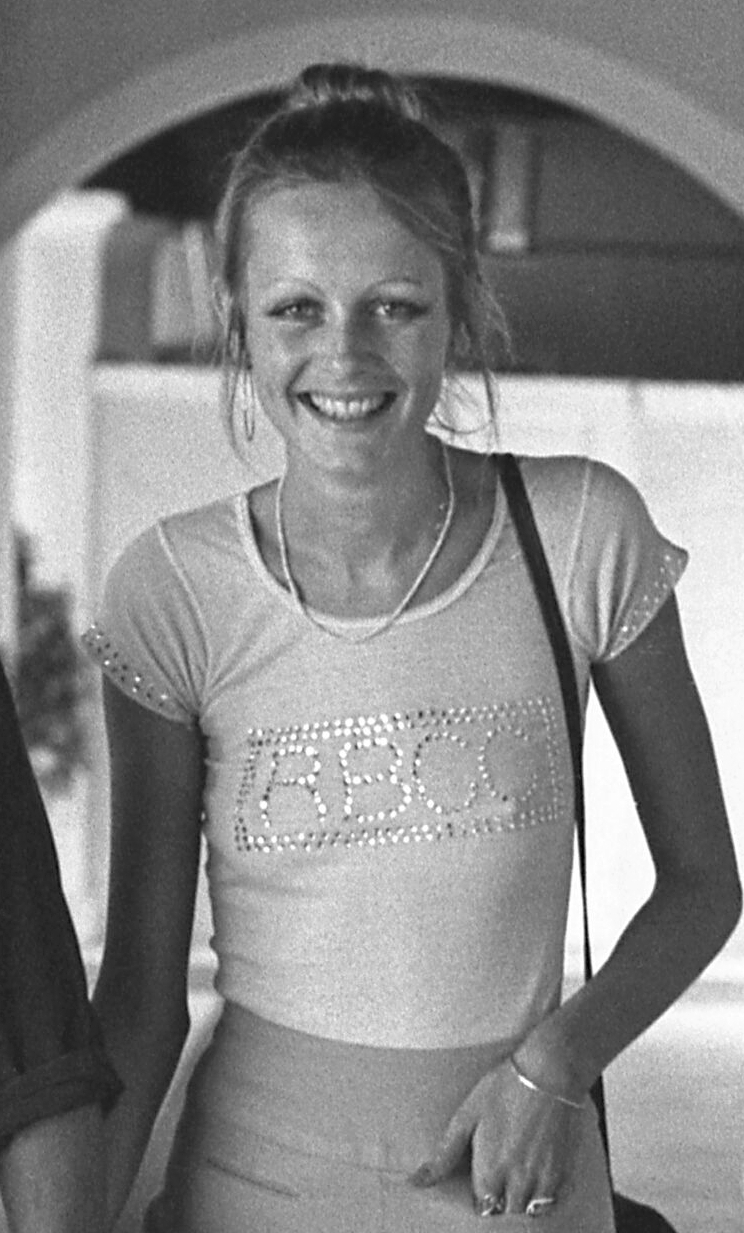
“I went in to have it shampooed and set and Leonard saw me, and he said, ‘Let me do my new haircut on you,’” Twiggy told Ware during the podcast. “I’d been growing my hair, for a moment I kind of went, ‘I don’t know whether I want my hair cut.’ But I was in this very posh salon in Mayfair so I was a bit too shy to say I don’t want it done, and I kind of nodded.”
Her hesitation was genuine. She had spent time growing her hair and was not looking for the androgynous crop that would later define her public image.
However, the prestige of the salon and Leonard’s reputation made it difficult for the young aspiring model to refuse.
Her quiet agreement led to one of the most influential makeovers in modern fashion history.
Seven Hours in the Salon Chair
Twiggy returned to the salon the following day and prepared herself for the transformation.
The process took far longer than a typical haircut. Leonard carefully shaped her hair, sent her to have it colored, and then continued refining the style after she returned.
“I went back the next day and I was in there for seven hours, where he cut it and then I went out and had it colored and then re-cut. Oh, it was mad,” she said with a laugh.
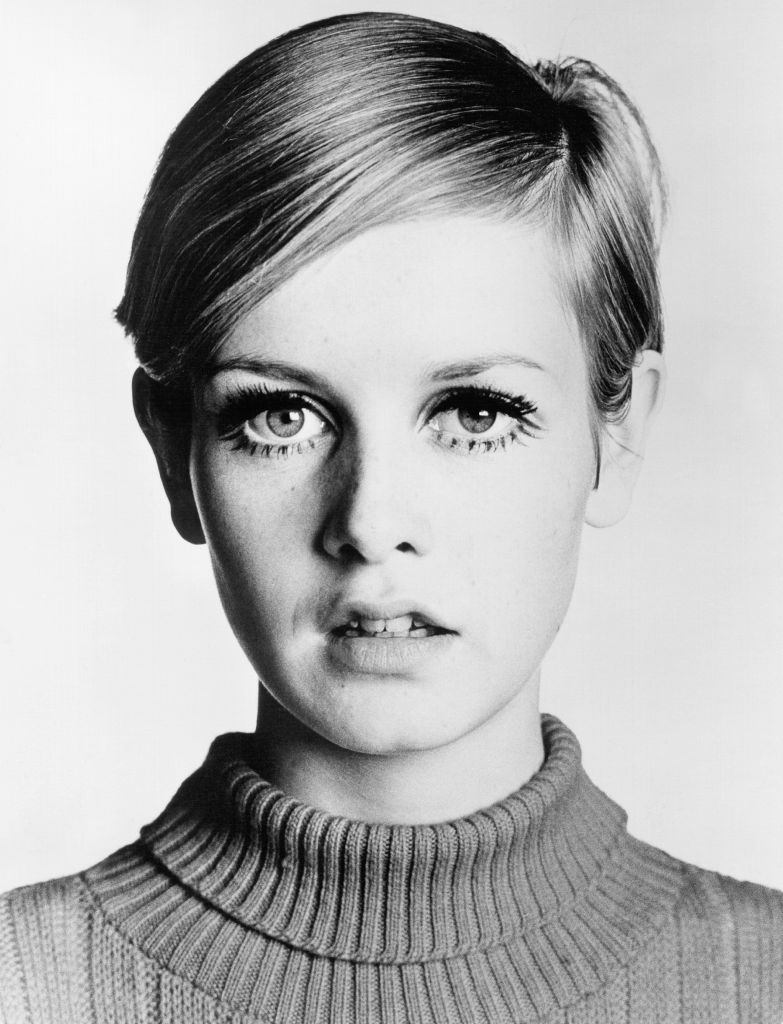
The finished look was a short, golden-blonde crop that highlighted the structure of her face.
Although Twiggy had not wanted to cut her hair so dramatically, she quickly recognized Leonard’s skill and understood why he had become one of Britain’s most celebrated hairstylists.
The crop emphasized her youthful appearance while creating a sharp, modern contrast with the more traditional hairstyles of earlier decades.
The Photograph That Changed Her Life
After completing the haircut, Leonard arranged for British photographer Barry Lategan to take photographs of Twiggy’s new appearance.
The resulting portraits captured the striking combination of her cropped blonde hair, wide blue eyes, slim frame, and distinctive makeup.
Leonard displayed one of the photographs inside the salon, where it caught the attention of Daily Express fashion editor Deirdre McSharry.
McSharry noticed the image while visiting the salon to have her own hair styled.
“Leonard put it up in the salon and a journalist saw it,” Twiggy said, referring to the Daily Express fashion editor Deirdre McSharry, who while having Lewis style her hair, saw Twiggy’s daring do in the photos. “That’s how it all happened…When that haircut started, when that photograph was taken, that was the pivotal moment.”
The photograph transformed Twiggy from a teenager struggling to enter the industry into a fresh face with a look unlike anything else dominating fashion at the time.
The Eyes That Completed the Image
The pixie haircut was only one part of Twiggy’s signature appearance.
She emphasized her naturally large blue eyes with heavy mascara and dramatic lower lashes, creating a wide-eyed expression that became instantly recognizable.
The inspiration came from an unexpected source in her childhood.
“I was also constantly playing around with make-up at home. I had a rag doll that had those spikey eyelashes, so I bought false eyelashes for myself and created what became known as my sort of ‘look.’”
The exaggerated lashes gave her face a doll-like quality that matched the youthful clothing styles becoming popular during the period.
Her eye makeup was repeatedly copied, and it became nearly as famous as her haircut.
The combination of the crop, pale complexion, and dramatic lashes created a new vision of beauty that challenged the more mature and glamorous standards associated with the previous generation of models.
View this post on Instagram
Weekend Rebellion Helped Shape Her Style
Twiggy developed her approach to makeup while attending a strict grammar school where students wore uniforms and were not permitted to use cosmetics.
Outside school, she and her friends experimented freely with new looks.
“I went to a grammar school, so it was quite strict. We wore uniforms and makeup was not allowed. So, on the weekends, me and my friends would sit like most teenage girls and play with makeup.” She continued “And that’s how that makeup evolved.”
She also wore miniskirts and visited Saturday night mod clubs with her friends.
Those weekends allowed her to explore the youth culture that was spreading across London and influencing fashion, music, beauty, and social attitudes.
The style she developed was not originally created by a team of professional image consultants. It grew from teenage experimentation, a rag doll’s eyelashes, fashionable clubs, and one haircut she had been too shy to reject.
Becoming the Face of 1966
A few weeks after the photographs were taken, the Daily Express published several now-iconic black-and-white images of Twiggy.
The feature appeared with the headline “Twiggy–The Face Of ‘66” and introduced her distinctive appearance to a much larger audience.
The response was immediate.
Within the following month, Twiggy completed her first fashion shoot for Vogue. Her life quickly became filled with modeling assignments, public attention, travel, and opportunities she could not have imagined before entering Leonard’s salon.
Her slim figure, short hair, large eyes, and youthful clothing made her the ideal representative of the mod era.
While fashion had previously favored more mature, curving silhouettes, Twiggy represented a dramatic break from that tradition.
She became a role model for young women who saw her as modern, energetic, and different from the established standards of elegance.
View this post on Instagram
A New Kind of Fashion Celebrity
Twiggy’s influence expanded far beyond magazine pages and runway appearances.
Still in her teens, she became the first celebrity used by Mattel as the model for a Twiggy Barbie doll.
The honor demonstrated how quickly her image had entered popular culture.
Her name also became closely connected with British designer Mary Quant, whose short hemlines helped revolutionize women’s fashion by freeing the female leg.
Together, the styles represented by Twiggy and Quant captured the confidence and experimentation of the decade.
Miniskirts, simple dresses, bold makeup, and cropped hair became symbols of a younger generation that wanted to move away from the restrictions of earlier fashion.
Twiggy’s appearance was frequently described as androgynous, but its impact came from the way it combined boyish simplicity with carefully designed makeup and feminine clothing.
Walking Away From Modeling
Despite her extraordinary success, Twiggy’s original modeling career was relatively brief.
After only several years in the industry, she retired from modeling in 1970 and began exploring other creative fields.
She moved into acting, singing, stage performance, television, and later fashion design.
Her transition showed that the young woman known primarily for her appearance had ambitions that extended well beyond posing for photographs.
One of her most important acting roles came in the 1971 film The Boy Friend.
Her performance earned her two Golden Globe awards and helped establish her as a serious entertainer rather than simply a former model trying a different career.
She later appeared in Club Paradise in 1986, playing a leading role alongside Robin Williams.
Television, Fashion, and Music
Twiggy remained involved in fashion and entertainment long after leaving full-time modeling.
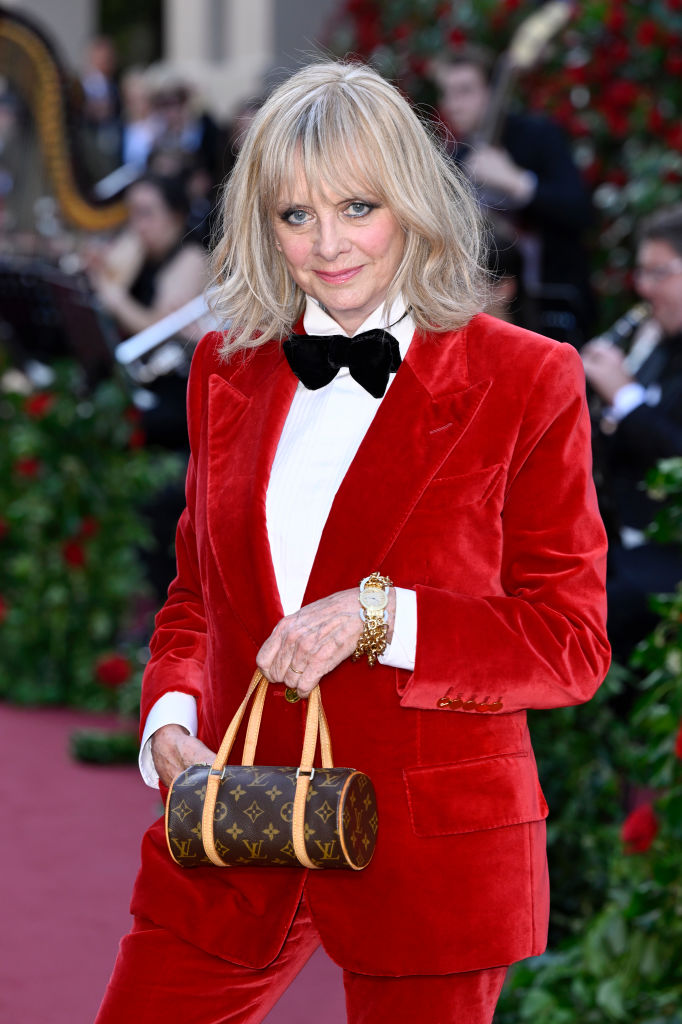
She served as a judge on America’s Next Top Model, offering guidance to a new generation of aspiring models entering an industry she had helped reshape.
She also developed a fashion line exclusively for Marks & Spencer and appeared in several of the company’s billboard advertisements.
Her ongoing work demonstrated the lasting commercial value of her name and her understanding of clothing that appealed to women beyond the runway.
In 2011, Twiggy released the album “Romantically Yours.”
The record included cover versions of “Blue Moon,” “They Can’t Take That Away from Me” and “Right Here Waiting.”
Her daughter, Carly Lawson, who was born in 1978, appeared as a guest vocalist on several tracks.
Twiggy also worked as an ambassador for L’Oreal and continued partnering with brands as a designer.
Conversations With Famous Friends
In more recent years, Twiggy has continued working through her podcast, Tea with Twiggy.
The program features personal conversations with well-known friends and gives listeners a different view of the people she has met throughout her long career.
The podcast also reflects Twiggy’s ability to continue evolving with new forms of media.
Her career began when a photograph displayed in a salon caught the attention of a newspaper editor. Decades later, she uses audio conversations to connect directly with an audience.
Despite changes in the fashion and entertainment industries, the public remains interested in her memories, opinions, and experiences.
Family Remained Her Greatest Priority
Although Twiggy achieved international fame as a model, actress, singer, television personality, and designer, she has said that her most meaningful success is the relationship she shares with her daughter.
Carly’s father, actor Michael Witney, died at age 52 during her fifth birthday celebration.
After his death, Carly was raised by Twiggy and her second husband, Leigh Lawson, whom Twiggy married in 1988.
Twiggy structured her professional life around her daughter’s needs and frequently brought Carly with her when work required travel.
“My number one is family. It always has been, even when Carly was little. If it didn’t work for Carly, I didn’t do it,” said Twiggy, who’s also a grandmother. “We went everywhere together but that’s why we’re so close now. The other day, she was saying, ‘I can’t remember a time when you weren’t there, Mum’ and it’s because I was always there. Even when I travelled, she came with me.”
Her commitment to family remained constant even during periods when her public career required extensive travel and attention.
A Style That Continues to Inspire
Twiggy’s hairstyle and makeup remain among the most frequently recreated beauty looks of the 1960s.
The pixie cut that she originally hesitated to accept became a symbol of confidence, modernity, and youthful rebellion.
Her dramatic lashes continue to inspire makeup artists, while her baby-doll dresses and miniskirts remain visible in contemporary fashion collections.
The lasting influence of the look is especially remarkable because it was not the result of a carefully planned attempt to create an icon.
It began with a teenage girl entering a fashionable salon for ordinary styling and feeling too shy to refuse an unexpected haircut.
Leonard of Mayfair saw the potential in her face, Barry Lategan captured the transformation, and Deirdre McSharry recognized the power of the resulting photograph.
From that sequence of events, Twiggy became one of the defining figures of an entire cultural era.
More Than an Iconic Haircut
Twiggy’s story is often remembered through a single image: a slender young woman with cropped blonde hair, enormous painted lashes, and a direct gaze.
However, her life after that photograph reveals a career built on adaptability and determination.
She moved from modeling into film, theater, music, television, fashion design, advertising, and podcasting.
She also raised her daughter while protecting a close family bond that she considers more important than professional recognition.
The pixie cut opened the door, but Twiggy’s ability to keep reinventing herself allowed her to remain relevant long after the Swinging Sixties ended.
Her appearance helped redefine beauty, but her continued success proved that she was far more than the hairstyle she once felt too shy to refuse.