
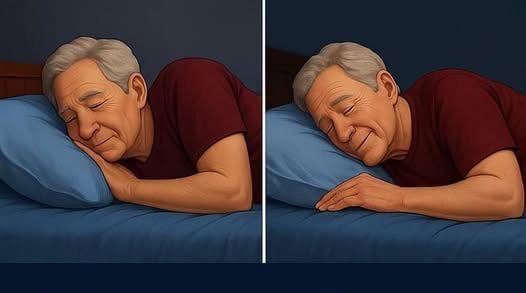
Why You Wake Up at 3 A.M. — What Your Body May Be Trying to Do While You Sleep
Sleep Can Feel Passive, but Your Body Is Still Working
Sleep may look like complete stillness from the outside, but internally the body remains active.
Your heart continues pumping.
Your lungs continue exchanging oxygen.
Your kidneys continue regulating fluid.
Your brain continues processing information.
Temperature, hormones, circulation and nervous-system activity all continue changing throughout the night.
That is why waking suddenly in the early hours does not automatically mean your body has failed at sleeping.
Sometimes, it is simply responding to physical or emotional signals that become more noticeable during the night.
Middle-of-the-Night Waking Is Common
Many people imagine ideal sleep as eight uninterrupted hours.
Real sleep is usually less perfect.
People naturally move through different sleep stages and may briefly awaken between them without remembering it the next morning.
Some awakenings last only seconds.
Others are long enough to become frustrating.
When this happens repeatedly around 2 a.m., 3 a.m. or 4 a.m., it can start to feel as though the body is working against itself.
But there may be several reasons why those awakenings occur.
Your Body Changes Position and Fluid Distribution While You Sleep
During the day, gravity influences where fluid collects in the body.
When a person lies down at night, some of that fluid can shift from the lower body back toward the upper body.
This is a normal consequence of changing from an upright position to lying flat.
For some people, that redistribution may influence circulation, breathing or the need to urinate.
It does not mean everyone who wakes at night is experiencing a dangerous imbalance.
But it does illustrate that the body is still making constant adjustments even during sleep.
Nighttime Bathroom Trips Can Have Many Causes
Waking to urinate during the night is common, especially as people get older.
Fluid intake late in the evening can contribute.
So can caffeine, alcohol, certain medications and some medical conditions.
For some people, fluid that accumulated in the legs during the day can return to circulation after lying down and eventually be processed by the kidneys.
That can increase nighttime urine production.
So the urge to wake and use the bathroom is not necessarily a sign that the body is malfunctioning.
It may simply reflect normal physiology or a pattern influenced by daily habits.
Your Brain Does Not Shut Off at Night
Another reason nighttime awakenings can feel emotionally intense is that the brain remains active during sleep.
Sleep is involved in memory processing and emotional regulation.
Experiences from the day do not simply disappear when the lights go out.
Stressful conversations, unresolved worries and emotionally important events may remain active in the background.
Dreams can incorporate fragments of those experiences.
And when a person wakes suddenly, the same concerns may immediately return to awareness.
That Does Not Mean Every 3 A.M. Thought Has a Hidden Meaning
It is tempting to believe that waking at a certain time reveals a specific emotional problem.
Human sleep is more complicated than that.
A person may wake because of temperature, noise, stress, pain, a full bladder, medication effects, breathing problems or an ordinary transition between sleep stages.
Sometimes several of these factors overlap.
The important point is that a nighttime awakening is not automatically evidence of weakness, failure or emotional instability.
Stress Can Make Sleep More Fragile
When the nervous system is under pressure, the brain may remain more alert than usual.
A person can feel physically exhausted yet still find it difficult to stay asleep.
Work problems, relationship conflict, financial concerns or uncertainty about the future can all make nighttime sleep less stable.
The body may be resting while part of the brain remains prepared to respond.
That can make small sounds, changes in temperature or ordinary physical sensations more likely to wake someone fully.
The 3 A.M. Problem Often Feels Worse Because the World Is Quiet
During the day, distraction is everywhere.
There are messages, conversations, work, traffic and responsibilities.
At 3 a.m., those distractions disappear.
A thought that felt manageable in daylight can suddenly seem enormous.
A minor worry can become a crisis.
An unanswered question can begin repeating in the mind.
This does not necessarily mean the problem itself has become more serious.
It may simply mean there is nothing else competing for attention.
Trying Too Hard to Sleep Can Make Sleep Harder
One of the cruelest parts of insomnia is that effort can become counterproductive.
A person looks at the clock.
Then calculates how many hours remain before morning.
Then worries about being tired.
Then becomes frustrated that sleep has not returned.
That frustration increases alertness.
And increased alertness makes sleep even more difficult.
Your Bedroom Environment Can Matter
Simple environmental factors can influence how easily the body stays asleep.
A room that is too warm may make sleep less comfortable.
Bright light can make it harder for the brain to maintain a nighttime pattern.
Unexpected noise can trigger brief awakenings.
Many people sleep more comfortably in a cool, dark and relatively quiet room.
Small adjustments can sometimes make a noticeable difference.
Evening Light Can Affect the Transition Into Sleep
Bright screens late at night may interfere with the sense that the day is ending.
Phones, tablets and televisions also provide stimulation that can keep the mind active.
The issue is not that one glance at a screen destroys sleep.
But spending a long period scrolling through emotionally stimulating content can make it harder to wind down.
Dimming lights and reducing intense screen use before bed can help create a clearer transition into nighttime.
Hydration Timing May Help With Nighttime Waking
Drinking enough fluid during the day is important.
But consuming large amounts shortly before bed may increase the chance of waking to urinate.
For some people, shifting more fluid intake earlier in the day can reduce that disruption.
This does not mean people should intentionally dehydrate themselves.
The goal is simply to avoid making the bladder work unnecessarily hard during the hours when sleep matters most.
Caffeine Can Linger Longer Than Many People Expect
Coffee in the afternoon may seem far removed from bedtime.
But caffeine can remain active in the body for hours.
Some people are much more sensitive to it than others.
A late coffee, energy drink or strong tea can make sleep lighter or more fragmented even if falling asleep initially feels easy.
When unexplained nighttime waking becomes frequent, caffeine timing is one factor worth considering.
Alcohol Can Make Sleep Feel Easier at First and Worse Later
Alcohol may make people sleepy in the evening.
But the sleep that follows can become more fragmented as the night progresses.
Some people fall asleep quickly after drinking and then wake repeatedly several hours later.
That pattern can be confusing because the substance that initially seemed to help with sleep may actually reduce sleep quality later in the night.
Temperature Changes Naturally During Sleep
The body’s temperature follows a daily rhythm.
It generally drops as part of the transition into sleep.
A bedroom that is excessively warm can interfere with comfort and may contribute to restlessness.
That is one reason many people find slightly cooler sleeping environments more comfortable.
Personal preference matters, but extreme warmth can make staying asleep more difficult.
Your Breathing Can Also Affect Nighttime Waking
Repeated awakenings can sometimes be related to breathing problems during sleep.
People with sleep apnea, for example, may wake repeatedly even if they do not remember every awakening.
Loud snoring, gasping, choking sensations, morning headaches or significant daytime sleepiness can be signs worth discussing with a healthcare professional.
Not every person who wakes at night has a breathing disorder.
But frequent disrupted sleep should not always be dismissed as stress alone.
Pain Can Become More Noticeable at Night
During the day, movement and distraction can make discomfort easier to ignore.
At night, pain may become more noticeable.
Back pain, joint discomfort, headaches and other physical symptoms can interrupt sleep repeatedly.
Adjusting sleep position may help some people.
Persistent pain, however, may need its own evaluation rather than being treated simply as a sleep problem.
Hormonal Changes Can Influence Sleep
Sleep patterns can also change with age and hormonal shifts.
Some people experience more frequent awakenings during menopause or other periods of hormonal change.
Night sweats, temperature changes and shifts in sleep architecture can all contribute.
Again, the important point is that disrupted sleep is not automatically a personal failure.
The body changes over time.
Sleep may need to be approached differently as those changes occur.
Medication Can Affect Sleep Too
Some medications may increase urination.
Others can affect alertness, heart rate or sleep structure.
If nighttime waking begins after starting or changing a medication, discussing the pattern with a healthcare professional may be useful.
Medication should not be stopped or changed without appropriate guidance.
The Brain May Be Processing More Than You Realize
During sleep, memory and emotional processing continue.
That does not mean every dream is a coded message.
But sleep does help the brain organize information gathered during the day.
Experiences that felt unfinished can sometimes reappear in dreams or in thoughts that surface after awakening.
That can make nighttime feel emotionally loaded even when the body is physically still.
Writing Things Down Can Sometimes Quiet the Mental Loop
For people whose minds become busy at night, writing down worries before bed can help create a sense of closure.
A short list of tasks for tomorrow can reduce the pressure to remember everything.
Writing down a persistent concern can also signal that the thought has been acknowledged.
This does not solve the underlying problem.
But it may reduce the need to rehearse it repeatedly while trying to sleep.
A Consistent Sleep Schedule Can Support the Body Clock
The body responds to regular timing.
Going to bed and waking at roughly similar times can help reinforce the sleep-wake rhythm.
Large shifts between weekdays and weekends may make that rhythm less stable for some people.
Consistency does not need to be perfect.
But predictable timing can make it easier for the brain to recognize when it is time to sleep and when it is time to wake.
Morning Light Can Be Surprisingly Important
Sleep preparation does not begin only at bedtime.
Exposure to natural light in the morning helps reinforce the body’s daily rhythm.
That signal can support alertness during the day and sleepiness later at night.
For people who spend most of the day indoors, getting outside earlier in the day can sometimes be useful.
Exercise Can Help, but Timing Matters for Some People
Regular physical activity is generally associated with better sleep.
It can reduce stress and support healthy sleep pressure.
However, very intense exercise immediately before bed may leave some people feeling too activated to sleep comfortably.
Others have no problem with evening exercise.
The best timing varies from person to person.
Rest Is Not the Same as Surrender
One reason sleep can become emotionally difficult is the feeling of losing control.
During the day, people make decisions constantly.
At night, sleep requires letting go of that active control.
For someone who is stressed or hyper-alert, that can feel surprisingly uncomfortable.
Rest may begin to feel like something that must be achieved rather than something the body naturally enters.
Your Body Is Not Your Enemy
Repeated waking can make people feel betrayed by their own bodies.
Why can’t I stay asleep?
Why does my bladder wake me?
Why does my mind start racing at exactly the wrong time?
But many of these reactions are attempts by the body to respond to signals, maintain balance or process stress.
That does not make poor sleep pleasant.
It does make it less useful to treat the body as though it is deliberately sabotaging rest.
Good Sleep Often Comes From Cooperation, Not Force
A calmer evening routine can support the body’s natural transition toward sleep.
Lower lighting.
Less stimulating content.
A comfortable room temperature.
Earlier hydration.
Regular sleep timing.
None of these guarantees perfect sleep.
But together, they can reduce unnecessary obstacles.
Perfect Sleep Is Not the Only Healthy Sleep
Many people become anxious because their sleep does not match an idealized picture of eight uninterrupted hours.
Occasional waking is normal.
The more useful question is whether the person feels adequately rested and functions well during the day.
A brief awakening that ends quickly may matter very little.
Repeated long awakenings accompanied by exhaustion are more significant.
When Nighttime Waking Becomes Persistent, It Deserves Attention
If sleep disruption occurs frequently, lasts for weeks or causes significant daytime fatigue, it may be worth discussing with a healthcare professional.
The same is true when awakenings are accompanied by breathing difficulty, significant pain, unusual movements, severe anxiety or frequent nighttime urination.
Those symptoms may have treatable causes.
There is no benefit in assuming every sleep problem must simply be endured.
Sleep Is a Form of Repair
While you sleep, the body does not become inactive.
It continues regulating, processing and adapting.
The brain works through memory and emotion.
The cardiovascular system continues responding to position and circulation.
The kidneys continue managing fluid.
The nervous system moves through changing levels of activity.
Sleep is less like shutting down and more like shifting into another kind of work.
The Goal Is Not to Fight the Night
When sleep becomes difficult, frustration can turn bedtime into a battle.
But rest tends to respond better to conditions that support it than to pressure.
Cooling the room, reducing late stimulation, adjusting fluid timing and creating a predictable routine are ways of working with the body rather than against it.
That does not mean every awakening will disappear.
It means the night becomes less of a test you have to pass.
Waking at 3 A.M. Does Not Mean You Are Failing
The body is not designed to behave like a machine that switches off at bedtime and restarts eight hours later.
Sleep is dynamic.
It changes across the night.
It responds to stress, environment, physiology and health.
An occasional restless night is part of being human.
Persistent problems deserve attention, but they should not be mistaken for weakness.
Rest Becomes Easier When You Stop Treating Yourself Like the Problem
The most useful shift may be psychological.
Instead of asking why your body is failing to sleep perfectly, it may help to ask what conditions it needs to rest more comfortably.
That question changes the relationship with sleep.
It turns the night from a struggle into something more cooperative.
Not a battlefield.
Not a test.
But a period in which the body and brain continue doing what they are designed to do: protect, regulate, process and repair.