
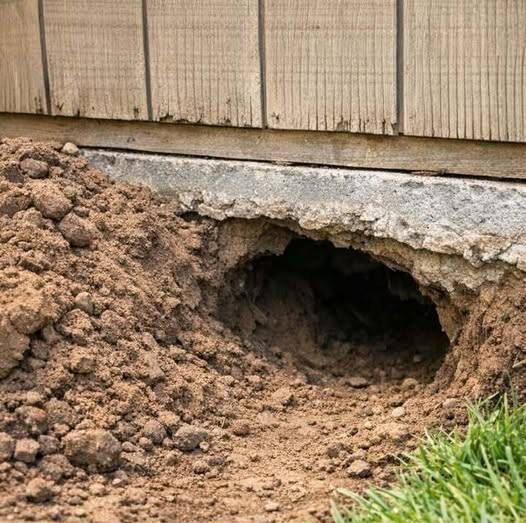
How to Handle a Hidden Tunnel Beneath Your Garden Shed
Unexpected Tunnels Beneath a Shed Can Create Serious Concerns
Finding a tunnel beneath the concrete slab of a garden shed can quickly turn into a worrying discovery for homeowners. What may initially appear to be a small opening in the ground can signal a much larger underground system created by burrowing animals.
Beyond curiosity about what creature might be living there, property owners often worry about potential structural damage. Even a single tunnel can weaken the soil beneath a concrete base, increasing the risk of cracks, shifting, or gradual sinking.
Taking the time to address the issue early can prevent more serious problems later. Understanding how to identify the animal responsible and how to stop further digging can protect both the structure and the surrounding yard.
Identifying the Animal Responsible for the Burrow
The first step is determining which animal has created the tunnel. Several wildlife species dig underground shelters, but groundhogs—also known as woodchucks—are among the most common culprits when burrows appear near sheds or other structures.
Groundhog tunnels typically measure between six and twelve inches wide. The entrance is often surrounded by a mound of freshly excavated soil that was pushed out while the animal dug deeper into the ground.
Tracks around the opening can also provide clues. Groundhog footprints usually measure around two to three inches wide and display five toes. Observing these details can help confirm whether a groundhog is responsible.
Other animals may occasionally dig similar holes. Skunks, raccoons, and armadillos can also burrow beneath structures. In situations where the animal is difficult to identify, a trail camera positioned near the entrance can capture nighttime activity and reveal the digger.
Why Groundhogs Are Drawn to Garden Sheds
Burrowing animals typically select locations that provide protection, shelter, and easy access to food. A garden shed often offers all three advantages in one place.
The concrete slab and walls above the ground create a stable roof that shields the animal from predators and weather. Beneath this cover, the soil remains dry and protected, making it an ideal place to build an underground home.
Nearby gardens, lawns, and vegetation provide a reliable food source. With food close by and shelter overhead, the area becomes highly attractive to animals seeking a safe place to live.
Groundhog burrows are often more complex than many people realize. These underground networks frequently contain several chambers used for sleeping, raising young, and storing waste.
Understanding the reasons animals choose these locations can help homeowners take steps to make the area less appealing in the future.
Evaluating the Risk of Structural Damage
Even a small hole in the ground may indicate a much larger tunnel system beneath the surface. Groundhog burrows can extend anywhere from eight to sixty-six feet in length and reach depths of up to five feet.
As these tunnels expand, they can remove significant amounts of soil that once supported the shed’s foundation. Over time, the loss of support may lead to shifting or cracking of the concrete slab.
Homeowners should inspect the structure carefully. Doors that suddenly become difficult to open or close may indicate movement in the slab. Tilting walls, uneven floors, or gaps between the base and surrounding soil can also signal structural changes.
Identifying these warning signs early allows repairs to be made before the damage becomes severe and expensive.
Temporary Measures to Prevent Continued Digging
Once a tunnel has been discovered, immediate steps can help prevent further digging while a long-term solution is prepared. Blocking access to the entrance can discourage the animal from expanding the burrow.
Large rocks or heavy paving stones placed directly over the opening may temporarily slow activity. Another option is covering the hole with sturdy wire mesh, commonly known as hardware cloth.
For this approach to work effectively, the mesh should be buried at least twelve inches into the soil and extend outward around the entrance. This creates a barrier that makes digging significantly more difficult.
These short-term steps do not eliminate the animal entirely, but they can reduce nightly digging and protect the shed while further action is planned.
Encouraging the Animal to Leave the Area
Burrowing animals prefer quiet and stable environments. Disturbances around their entrance can make the area feel unsafe and encourage them to relocate.
Motion-activated sprinklers are one method that can interrupt activity when the animal approaches the burrow entrance. Sudden bursts of water and movement may convince the animal that the location is no longer secure.
Other disturbances can also have an effect. Predator scents, wind chimes, and vibrating stakes placed near the tunnel may create enough discomfort to push the animal to search for another shelter.
The goal of these methods is not to harm the animal but to make the location less comfortable until it abandons the burrow naturally.
Using Live Traps as a Control Method
If disturbance techniques fail to solve the problem, live trapping may become necessary. Humane traps designed for medium-sized animals are often used in these situations.
A typical trap suitable for a groundhog measures roughly twelve inches by twelve inches by thirty-two inches. Positioning the trap near the main entrance of the burrow increases the likelihood of success.
Fresh produce such as lettuce, carrots, or apples can be used as bait. These foods are attractive to groundhogs and may encourage them to enter the trap.
Anyone considering trapping should check local wildlife regulations before taking action. Laws governing the capture and relocation of wildlife can vary by location, and traps should always be monitored regularly.
Safely Closing the Burrow Entrance
Once the animal has vacated the tunnel, the entrance can be sealed to prevent future use. Filling the opening prematurely can trap the animal underground, which may cause additional problems.
After confirming the burrow is empty, the hole can be filled with gravel or a mixture of soil and cement. This creates a firm barrier that prevents the tunnel from reopening easily.
Covering the filled area with heavy-duty mesh buried about twelve inches below the surface adds another layer of protection. The mesh discourages animals from digging in the same location again.
Installing a Protective Underground Barrier
To reduce the risk of future burrowing, many homeowners install a protective perimeter around their shed. This barrier prevents animals from accessing the soil directly beneath the structure.
Galvanized wire mesh is commonly used for this purpose. The material is durable and resistant to rust, allowing it to remain effective for many years.
The mesh should be buried approximately twelve inches deep along the perimeter of the shed. Bending the bottom portion outward in an “L” shape creates a horizontal barrier that blocks animals from digging underneath.
Extending the mesh roughly twenty-four inches above ground level also prevents animals from climbing over the barrier and digging from the opposite side.
Repairing Damage to the Concrete Slab
After the burrow has been removed and sealed, the condition of the concrete slab should be examined carefully. Even small cracks can allow water to enter and expand the damage over time.
Minor cracks can usually be repaired with a standard concrete patching compound. These materials fill gaps and restore the surface to a more stable condition.
If the slab has shifted significantly or developed large fractures, additional reinforcement may be required. Extra concrete or steel reinforcement may be necessary to stabilize the structure fully.
Routine inspection helps ensure that small problems are repaired before they develop into costly structural issues.
Making the Yard Less Appealing to Burrowing Animals
Preventing future burrows often involves adjusting the environment around the shed. Animals are less likely to settle in areas where food and shelter are limited.
Maintaining short grass reduces hiding spots and makes the yard less attractive for wildlife. Removing piles of debris, wood, or brush eliminates potential cover where animals might hide.
Gardens can also be protected with fencing designed to block burrowing animals. Some homeowners plant vegetation that animals tend to avoid or apply natural deterrents such as garlic or hot pepper sprays.
By removing easy food sources and shelter, the property becomes a less appealing location for animals searching for a place to dig.
When Professional Assistance Is Necessary
In certain situations, professional help may be the most effective solution. If trapping attempts fail or if the tunnel system appears extensive, a wildlife specialist can safely remove the animal and address the burrow.
When structural damage is suspected, a structural engineer may also be needed to inspect the shed’s foundation. Their evaluation can determine whether repairs or reinforcements are required.
Professional assistance can save time and reduce stress while ensuring the problem is handled safely and effectively.
Taking prompt action when a tunnel appears beneath a shed protects both the structure and the surrounding property. Addressing the issue early prevents further digging, avoids costly repairs, and helps restore stability to the yard.