
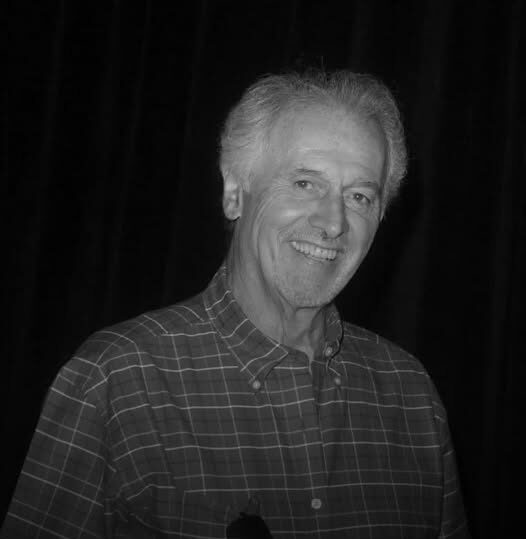
Star Trek Actor Michael Forest Dies at 97 — Fans Mourn the Man Who Brought Apollo to Life
The Veteran Actor, Who Appeared in Roger Corman Films and Voiced Numerous Anime Characters, Leaves Behind a Remarkable Career Spanning More Than Six Decades
Hollywood is mourning the loss of veteran actor and voice artist Michael Forest, best remembered for his unforgettable portrayal of the Greek god Apollo in the original Star Trek television series.
Forest died on October 14, 2026, at the age of 97, bringing an end to an extraordinary career that stretched across film, television, animation, and international dubbing.
The actor had most recently been living at a senior living facility in Sparks, Nevada, where he passed away.
His death was announced by his friend James A. Brown, who shared the sad news on social media.
For generations of science-fiction fans, Forest will forever be associated with his commanding appearance as Apollo in the 1967 Star Trek episode “Who Mourns for Adonais?”
However, his career extended far beyond that memorable performance. He worked with filmmaker Roger Corman, appeared in numerous classic television programs, and developed an extensive second career as a voice actor.
His passing marks the loss of a performer whose work reached audiences across multiple generations and entertainment genres.
Michael Forest’s Death Confirmed at Age 97
Michael Forest died on Wednesday, October 14, 2026, at a senior living facility in Sparks, Nevada.
He was 97 years old.
His friend James A. Brown announced the death through a Facebook post, remembering Forest both as a fellow performer and as a personal friend.
The announcement prompted renewed attention to Forest’s remarkable career and his contributions to television, cinema, and voice acting.
Although his death has been confirmed, a specific cause of death has not been publicly disclosed in the available reports.
Forest’s passing comes after a lifetime devoted to entertainment, including performances that remain recognizable decades after their original release.
His work encompassed everything from low-budget adventure films to internationally distributed animation, demonstrating an unusual range of professional experiences.
Who Was Michael Forest?
Michael Forest was born Gerald Michael Charlebois on April 17, 1929, in Harvey, North Dakota.
He spent much of his childhood in Seattle, Washington, after moving there with his family.
Before establishing himself in Hollywood, he studied English and drama at San Jose State University.
His academic background reflected an early interest in performance and storytelling, interests that would eventually shape his professional life.
Forest began building his acting career during the 1950s, a period when American television was expanding rapidly and genre films were becoming increasingly popular.
His tall stature and commanding screen presence helped him secure roles in productions requiring physically imposing characters.
Over time, he became a familiar face in television westerns, science-fiction programs, and adventure films.
Although he was not always the leading star, his performances contributed to productions that later developed devoted audiences.
The Star Trek Role That Made Him Unforgettable
For many viewers, Forest’s most recognizable performance came in the original Star Trek series.
He portrayed Apollo in the episode “Who Mourns for Adonais?” which first aired in 1967.
The episode presented a fascinating science-fiction interpretation of the ancient Greek god, who encounters the crew of the Starship Enterprise.
Forest’s Apollo was a powerful and imposing figure who expected the humans he encountered to recognize his divine authority.
The story explored themes of mythology, belief, power, and humanity’s changing relationship with ancient traditions.
Forest’s physical presence and theatrical performance helped make the character particularly memorable.
Even though the appearance was limited to a single episode of the original series, it became one of the roles most closely associated with his name.
Decades later, fans continued recognizing him for the performance, demonstrating the lasting cultural influence of the original Star Trek.
Why His Portrayal of Apollo Stood Out
Star Trek frequently used encounters with unfamiliar civilizations and powerful beings to explore larger philosophical questions.
Forest’s appearance as Apollo fit that tradition while introducing an unusual connection to classical mythology.
Instead of presenting an entirely unfamiliar alien, the episode featured a character associated with stories that audiences already knew.
The result was a distinctive combination of science fiction and ancient legend.
Forest brought an imposing physical presence to the role, making Apollo appear both powerful and emotionally complicated.
His performance required him to portray a character whose expectations of humanity were challenged by the Enterprise crew.
The episode remains part of Star Trek history, and Forest’s contribution continues to be remembered by longtime fans.
He Returned to Apollo Nearly Five Decades Later
Forest’s connection to the character did not end with the original 1967 broadcast.
In 2013, he returned to the role of Apollo in the fan-produced series Star Trek Continues.
The episode, titled “Pilgrim of Eternity,” allowed him to revisit a character that had become central to his recognition among science-fiction audiences.
The return came approximately 46 years after his original Star Trek appearance.
For viewers familiar with the earlier episode, the performance created a connection between two different periods of Star Trek fandom.
It also demonstrated how a single television appearance could remain meaningful throughout an actor’s career.
Forest’s willingness to return to Apollo reflected the enduring association between the performer and the character.
His Early Career Included Roger Corman Films
Long before his Star Trek appearance became a fan favorite, Forest had established himself in low-budget filmmaking.
He worked with director and producer Roger Corman, whose productions became an important part of American independent cinema.
Forest appeared in several Corman-associated films, including “Beast from Haunted Cave,” “Ski Troop Attack,” and “Atlas.”
These projects belonged to a filmmaking tradition that emphasized resourcefulness and genre entertainment.
Actors working in such productions often gained experience across a wide range of characters and settings.
Forest’s involvement gave him opportunities to demonstrate his screen presence in adventure, action, and suspense stories.
His appearance in “Atlas,” released in 1961, was particularly notable because he played the title character.
Those early roles formed an important foundation for the decades of work that followed.
A Familiar Face on Classic American Television
Forest’s career also included appearances in numerous television programs that became familiar to American audiences.
Among his credits were “The Twilight Zone,” “The Dick Van Dyke Show,” “Gunsmoke,” and “Gomer Pyle, U.S.M.C.”
He also appeared in westerns and adventure programs during a period when episodic television offered substantial opportunities for character actors.
These roles allowed Forest to work across different genres rather than becoming limited to one type of production.
His appearance in “The Twilight Zone” connected him with another influential science-fiction series.
Meanwhile, his work on “The Dick Van Dyke Show” demonstrated his ability to appear in comedy as well as dramatic programming.
His versatility helped sustain a professional career long after many of the productions in which he appeared had completed their original runs.
Michael Forest Also Appeared in Major Films
Although television and independent productions were significant parts of his career, Forest also accumulated credits in larger film projects.
His filmography included “The Message,” “100 Rifles,” “The Assassination of Trotsky,” and “Cast Away.”
The latter film, released in 2000 and starring Tom Hanks, introduced Forest’s work to another generation of movie audiences.
These appearances illustrated the breadth of his professional experience.
He worked in productions from different countries, periods, and filmmaking traditions.
His ability to continue securing roles across decades reflected the adaptability required of a successful character actor.
While his Apollo performance remained his best-known television appearance, his broader filmography reveals a career far more extensive than a single iconic role.
His Voice Acting Career Reached Audiences Around the World
One of the most remarkable aspects of Forest’s career was his extensive work as a voice actor.
He became involved in dubbing international films and animated productions, allowing his performances to reach audiences who might not have recognized him on screen.
During part of his career, Forest lived and worked in Rome, where he contributed English-language voices to numerous international film projects.
That experience helped establish him in a specialized area of the entertainment industry.
Dubbing requires actors to communicate character and emotion while working within the timing and structure of an existing performance.
Forest’s experience in dramatic acting provided a foundation for this work.
He eventually developed an extensive catalog of voice performances, including English-language versions of Japanese animation.
Anime Fans May Recognize His Voice Without Knowing His Name
Forest contributed to English-language versions of several notable anime productions.
His credits included “Samurai Champloo,” “Planetes,” and “Paranoia Agent.”
These projects reached audiences who may have been unfamiliar with his earlier appearances in American television.
Voice acting allowed Forest to participate in stories and characters very different from the roles that had defined his screen career.
Unlike live-action performances, animated productions place particular emphasis on vocal expression.
For Forest, the transition provided another way to apply his acting experience.
His involvement in anime also connected him with an international entertainment community that continued growing throughout the later decades of his career.
For some viewers, his voice may be more familiar than his face.
His Work Extended Into Video Games and Other Productions
Forest’s voice acting was not limited to anime and international films.
He also contributed to other entertainment formats, including video games and television productions that required voice performances.
His credits included work associated with the Power Rangers franchise and the video game World of Warcraft.
These projects demonstrated his ability to adapt to changes in the entertainment industry.
As new formats developed, experienced performers increasingly found opportunities beyond traditional film and television appearances.
Forest’s participation in these productions allowed his work to remain accessible to younger audiences.
It also broadened the range of characters and stories associated with his long career.
A Personal Life Shared With Actress Diana Hale
Beyond his professional achievements, Forest shared a long marriage with actress and acting teacher Diana Hale.
The couple married in 1970 and remained together for more than five decades.
Hale worked in acting, coaching, and theater education, sharing Forest’s connection to the performing arts.
Their marriage lasted until her death in 2022.
Her passing marked a significant personal loss for Forest after more than 50 years together.
Although he was best known publicly for his performances, his long marriage was another important part of his life.
Available reports do not provide extensive additional details about his surviving family members.
His Friend Announces the Sad News
Forest’s death became public after his friend James A. Brown shared an announcement on Facebook.
Brown’s message expressed sadness at losing someone he had known personally as well as professionally.
The announcement provided confirmation of Forest’s passing and brought renewed attention to the actor’s long career.
For fans, the news represented the loss of another performer connected to the earliest years of Star Trek.
For those who knew Forest personally, the loss extended beyond his familiar television and film appearances.
His professional accomplishments remain widely accessible through the productions in which he participated.
More Than Six Decades of Entertainment History
Few performers experience the range of entertainment industry changes that Forest witnessed during his career.
He began acting when television was still developing into a dominant form of American entertainment.
He worked in independent films, network television, international dubbing, animated productions, and video games.
His career connected several generations of audiences through different kinds of storytelling.
Viewers who discovered him through classic westerns might remember a different side of his work than those who encountered him through anime.
Science-fiction fans, meanwhile, will likely continue associating him with Apollo and the original Star Trek series.
That diversity of roles is an important part of his professional legacy.
Remembering the Actor Behind Star Trek’s Apollo
Michael Forest’s death at 97 marks the end of a remarkable life in entertainment.
Born Gerald Michael Charlebois in North Dakota, he developed a career that carried him from early television productions to internationally recognized science-fiction and animation projects.
His portrayal of Apollo in Star Trek remains his most celebrated screen performance, but it represents only one chapter in a career spanning more than six decades.
His work with Roger Corman, appearances in classic television series, international film dubbing, and anime voice acting demonstrate the range of his contributions.
Forest’s performances will continue to be encountered by viewers discovering older films and television episodes, as well as audiences enjoying animated productions to which he lent his voice.
For longtime Star Trek fans, his Apollo will remain a memorable part of the original series.
For the wider entertainment industry, Michael Forest leaves behind a body of work that reflects dedication, adaptability, and an enduring love of performance.
He was 97 years old.