
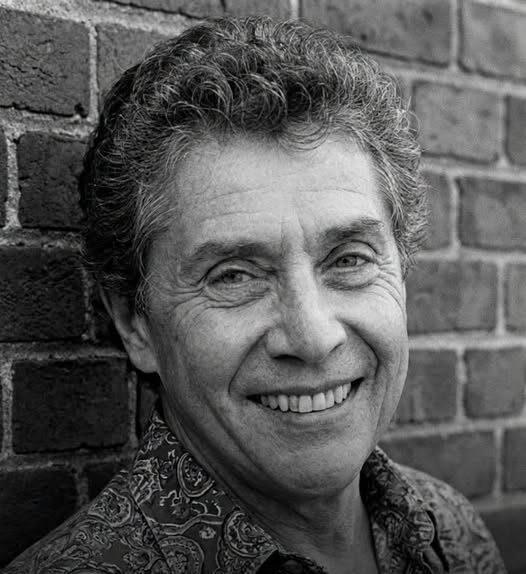
Mark Rydell Dies at 97, Leaving Behind a Quiet but Lasting Hollywood Legacy
A Filmmaker Remembered Through the Performances He Shaped
Mark Rydell has died at the age of 97, closing the chapter on a long creative life defined less by celebrity than by the performances he helped bring to the screen.
His name was never necessarily the largest one associated with the films he directed, yet his influence could be seen in the actors who worked under his guidance and in the emotional depth he encouraged them to find.
Henry Fonda, Katharine Hepburn, and Bette Midler were among the performers whose work became closely connected to Rydell’s approach behind the camera.
Rather than placing himself at the center of attention, Rydell developed a reputation as a director who concentrated intensely on the people in front of the lens.
That approach allowed him to build a career in which the performances themselves often became the clearest evidence of his presence.
A Director Who Preferred Listening to Commanding
Rydell worked in an industry where directors can become public personalities in their own right, but his style was described in very different terms.
He was remembered as someone willing to listen, wait, and give actors additional space when he believed another emotional layer remained undiscovered.
Instead of treating a performance as something that simply needed to be captured efficiently, he approached acting as something delicate that needed patience and protection.
That philosophy shaped the atmosphere around his work.
For performers, the difference could be significant. A director who remained attentive to small emotional changes could create room for an actor to move beyond a technically correct performance and toward something more personal.
Rydell’s legacy became closely associated with that kind of patience.
Working With Henry Fonda and Katharine Hepburn
Some of the strongest examples of Rydell’s influence could be seen in the work of Henry Fonda and Katharine Hepburn in On Golden Pond.
Fonda’s performance carried a mixture of vulnerability and anger, while Hepburn brought strength and tenderness to the material.
The emotional force of those performances became part of the larger impression Rydell left as a director.
He did not need to dominate the frame himself. His work happened in the conversations before and between takes, in the attention he gave to actors, and in his willingness to remain with a scene until its emotional center had been found.
That kind of directing can be difficult to separate from the acting because the goal is not to make the director visible.
The goal is to make the performer appear fully present.
Rydell’s work with Fonda and Hepburn became an example of that philosophy in action.
Helping a Young Bette Midler Find Her Place on Set
Bette Midler represented a very different stage of an actor’s career when she worked with Rydell.
She was young and frightened during her first experience on a film set, entering an environment that could have easily overwhelmed a performer still learning how to work in front of a movie camera.
Rydell’s patient approach became particularly important in that setting.
Rather than expecting complete confidence immediately, he provided the kind of space in which vulnerability could become part of the performance instead of an obstacle to it.
The result was an early example of the raw humanity that became associated with Midler’s screen presence.
For Rydell, directing was not simply about positioning cameras or keeping a production moving. It involved recognizing what an actor might be capable of giving and creating the conditions necessary for that performance to emerge.
The Value of Staying Behind the Camera
Rydell’s career also demonstrated that influence in Hollywood does not always depend on public visibility.
Some filmmakers become nearly as recognizable as the stars in their movies. Others leave their strongest mark through the people they direct.
Rydell belonged more naturally to the second group.
He could work with major performers without making the creative process about himself.
That restraint became part of his identity.
His films carried performances shaped through attention rather than through a constant need for control.
The actors remained at the center, while Rydell’s work could often be felt more than seen.
A Different Kind of Authority
Rydell’s approach also challenged the idea that effective directing must always be loud or forceful.
His authority came through patience.
He believed performers sometimes needed additional time to reach the emotional truth of a moment, even when everyone else around them might have been ready to continue.
That willingness to wait reflected a deeper respect for acting as a process.
A scene could change through a pause, a look, a shift in tone, or a moment of vulnerability that appeared only after an actor had been given enough room to discover it.
Rydell built his reputation around recognizing those possibilities.
His work suggested that a director did not always need to push harder. Sometimes the better choice was to listen longer.
A Career Built Around Human Performance
The common thread running through Rydell’s work was his attention to human emotion.
Whether working with established figures such as Fonda and Hepburn or helping a younger performer such as Midler navigate the unfamiliar pressure of an early film role, he focused on creating believable emotional experiences.
That emphasis helped explain why actors remembered him so strongly.
For them, a director could become much more than the person responsible for a production.
A director could become someone who recognized uncertainty, encouraged risk, and protected a performance while it was still developing.
Rydell’s relationships with actors were remembered in those personal terms.
That emotional connection became one of the most distinctive parts of the legacy he leaves behind.
Hollywood Changed Around Him
As Rydell grew older, the film industry continued changing around him.
The environment became louder, faster, and increasingly focused on constant visibility.
Rydell responded in the opposite direction.
He became quieter.
That retreat did not mean he had become bitter toward the industry that had defined so much of his professional life.
Instead, his attention increasingly moved away from the public spectacle surrounding Hollywood and toward smaller, more personal forms of creative guidance.
Mentoring Younger Filmmakers
In his later years, Rydell continued sharing what he had learned with younger filmmakers.
Those conversations often happened far from the red carpets and the high-profile environments normally associated with Hollywood success.
They reflected the same values that had guided his directing career.
He focused on people, craft, patience, and the careful observation of performance.
For younger filmmakers, that offered access to a creative philosophy built during decades of working with actors at very different points in their careers.
Rydell’s experience was not presented simply as a collection of old stories.
It carried a larger lesson about what directing could be when attention remained focused on human behavior rather than spectacle.
A Gentler Style of Filmmaking
Rydell’s death also brings renewed attention to a style of directing that can seem increasingly rare.
His work represented patience in an industry frequently driven by schedules, pressure, and constant movement.
He treated actors as creative partners whose performances could not always be rushed into existence.
That gentler approach did not mean his expectations were low.
On the contrary, he believed performers often had more to give.
His role was to help them reach it without damaging the vulnerability that made the performance possible.
That balance between expectation and protection became one of the central qualities associated with him.
Why His Influence Remains Visible
A director who works this way can leave behind a complicated legacy because much of the contribution remains invisible.
The audience sees the actor’s face, hears the actor’s voice, and remembers the emotions created in the scene.
The conversations and decisions that helped produce those moments remain outside the frame.
That was where much of Rydell’s influence existed.
His legacy survives inside performances that continue to communicate emotion even after the director himself is no longer there to discuss how those moments were created.
The faces he directed remain on screen.
The emotional choices remain preserved in the finished work.
In that sense, his influence continues every time those performances are watched again.
Remembered by the People He Guided
The reaction to Rydell’s death has placed particular emphasis on the relationships he formed with actors and filmmakers.
He was remembered with an unusual degree of personal affection.
For some, the connection resembled the kind of trust associated with a parent or mentor rather than simply a professional colleague.
That response helps explain the depth of feeling surrounding his passing.
His career was not defined only by projects completed or famous names directed.
It was also defined by the confidence he gave people while they were doing difficult creative work.
Those relationships existed beyond individual scenes or productions.
A Legacy That Never Needed the Spotlight
Mark Rydell’s death at 97 marks the loss of a filmmaker whose career demonstrated that quiet influence can have lasting power.
He worked alongside major performers, helped shape deeply remembered performances, and continued encouraging younger filmmakers after his own years of high-profile directing had passed.
He never needed to become the loudest figure associated with the work.
His contribution remained behind the camera, where he listened to actors, gave them time, and encouraged them to search for something deeper.
Henry Fonda’s emotional intensity, Katharine Hepburn’s combination of strength and tenderness, and the early vulnerability of Bette Midler all became part of the story of a director who believed performance deserved patience.
His later years continued that philosophy in a quieter form through mentoring and personal guidance.
Now that his life has ended, the clearest record of what he accomplished remains where it always was.
It can be found in the performances he helped shape, in the filmmakers he encouraged, and in the belief that directing can be powerful without being loud.
Rydell spent much of his career outside the brightest part of the spotlight.
Yet the work created under his guidance continues to speak for him, preserving the influence of a filmmaker who understood that sometimes the most important person behind a performance is the one willing to remain quietly out of view.