
Blind Elephant Takes First Steps Into Freedom After Lifetime of Abuse
A New Beginning After Years Of Captivity
A 46-year-old blind elephant named Karma has begun a new chapter after spending much of her life in abuse, captivity, and forced labor.
For years, Karma was moved through crowded streets in India, where she was used for carrying heavy loads and begging. For any elephant, that kind of environment can be overwhelming, but for a blind elephant, the stress and danger were even greater.
Her life changed in December 2019 when she was rescued by Wildlife SOS and brought to the Elephant Care and Conservation Center. After years of hardship, she finally reached a place where her needs, injuries, and emotional recovery could be treated with care.
Karma’s arrival marked more than a transfer from one location to another. It represented her first real chance to experience safety, patience, and freedom after decades of being controlled by others.
Karma’s First Steps Toward Safety
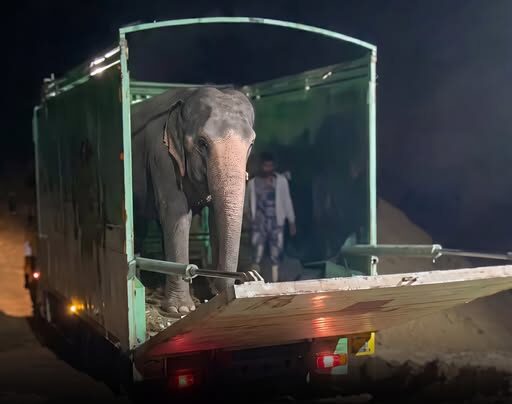
The moment Karma stepped away from the rescue vehicle and entered the care of the sanctuary became a deeply emotional milestone for the team involved in her rescue.
Because she is blind, every movement required trust. She had to feel her way forward slowly, placing each foot carefully as handlers guided her into unfamiliar surroundings.
The organization described the moment with the words: “Karma experienced her first taste of freedom as she stepped off the ambulance and into the Wildlife SOS elephant hospital.”
Those first steps were cautious, but they carried enormous meaning. After a lifetime of being forced through chaotic streets, Karma was finally entering a place built around her recovery rather than her exploitation.
Her rescuers had worked for many months to bring her to safety. Their efforts depended on planning, persistence, and the support of people who contributed to the rescue and future care of the elephant.
A Difficult Life On Crowded Streets
Karma’s past was shaped by conditions that no elephant should have to endure. She had been used in public spaces where noise, movement, traffic, and crowds created constant pressure.
For a blind elephant, those conditions were especially frightening. Unable to rely on sight, she would have had to navigate the world through sound, touch, and memory while still being forced to obey commands and perform labor.
She was used for begging and for carrying heavy loads, both of which placed demands on her body and mind. The combination of physical strain and emotional distress left her in need of long-term care.
Her rescue removed her from that environment and placed her under the supervision of caretakers and medical staff who could begin addressing the damage caused by years of abuse.
The change was immediate in one important way: Karma no longer had to serve anyone. Her days could begin to revolve around healing, rest, food, medical attention, and gradual adjustment to a peaceful space.
Careful Recovery In A New Environment
After her arrival at the Elephant Care and Conservation Center, staff took special precautions to help Karma adjust. Because she is completely blind, the process of introducing her to a new life had to happen slowly.
Staff kept her away from the other elephants at first so she could relax and begin learning her surroundings without added pressure. This quiet period allowed her to become familiar with the sounds, smells, and pathways of the center.
Her caretakers joined her on gentle walks, giving her the chance to explore while still feeling guided and protected. These walks were not only physical exercise but also part of rebuilding her confidence.
The medical teams began caring for her injuries and trauma. Her treatment required patience, because recovery for a rescued elephant is not only about the body but also about trust.
In one update, staff shared that they had “quickly fallen in love with her.” That simple statement reflected how quickly Karma’s gentle nature affected the people caring for her.
Learning To Trust Again
For an elephant who spent years in harsh conditions, trust does not return all at once. Karma’s caretakers understood that even ordinary moments could feel unfamiliar or uncertain to her.
Every new sound, pathway, scent, and human interaction had to be introduced with care. Because she could not see where she was going, she needed time to understand that the people around her were not there to force or frighten her.
Her first walks at the center gave her the opportunity to move at her own pace. Instead of being pushed through crowded streets, she could explore slowly and safely.
This was one of the most important changes in her life. Freedom, for Karma, did not mean being left alone. It meant being allowed to move without fear while surrounded by people committed to her protection.
Her adjustment showed the importance of specialized care for rescued elephants, especially those with disabilities. Blind elephants require careful routines, steady guidance, and environments designed to reduce stress.
A Sign Of Growing Comfort
One of the most meaningful signs of Karma’s progress came when staff observed that she lay down for the first time.
For an elephant recovering from trauma, lying down can be a powerful indication of growing strength and comfort. It suggests that the animal feels secure enough to rest deeply in the new environment.
For Karma, that moment showed that her body and mind were beginning to respond to the peace around her. Only a short time earlier, she had been begging on the streets under the control of a brutal owner.
Her rescuers described how difficult it was to imagine that such a dramatic change had happened in only a few weeks. She had gone from a hostile environment to a protected space where her recovery was the priority.
That transformation did not erase the suffering she had endured, but it created the conditions for healing. Each small sign of comfort became part of a much larger recovery story.
Preparing To Meet Other Elephants
During her early period at the center, Karma remained separated from the other elephants while she settled into her new surroundings.
This approach allowed staff to monitor her health, behavior, and emotional state before introducing her to a larger social environment. For a blind elephant, meeting other elephants must be handled with careful timing.
Once her quarantine period was complete, the plan was for Karma to be introduced to the other elephants at the center. The organization already cared for three elephants who were blind and five elephants with significant sight loss.
That experience gave the team a strong understanding of how to support elephants with vision problems. Karma was not entering a place where her disability would be treated as unusual or impossible to manage.
Instead, she was joining a center already familiar with the needs of elephants who depend on senses other than sight to understand their world.
The Role Of Long-Term Elephant Care
Karma’s rescue was not the end of her journey. It was the beginning of a long process involving medical treatment, nutrition, emotional support, and daily care.
Elephants rescued from abuse and captivity often need extensive rehabilitation. Their injuries may be physical, emotional, or both, and recovery can take months or years.
The Elephant Care and Conservation Center provides the kind of protected environment where rescued elephants can receive veterinary attention and behavioral support. For animals like Karma, that care is essential.
Her blindness adds another layer to her needs. She requires careful guidance, stable routines, and patient caretakers who understand how to help her move safely.
The work also includes enclosure maintenance, specialized nutrition, and ongoing observation. These details may seem routine, but they are central to restoring dignity and security to animals that have lived through exploitation.
Why Karma’s Rescue Matters
Karma’s story highlights the broader problem of illegal wildlife exploitation, street begging with elephants, and abusive captivity practices.
Elephants used in these conditions are often denied the freedom and care they need. They may spend years in stressful public environments while being forced to perform labor or serve as attractions.
For a blind elephant, those conditions are especially severe. Without sight, the world can become unpredictable and frightening, especially in crowded areas filled with vehicles, people, noise, and hard surfaces.
Removing Karma from that life gave her a chance to experience something she had been denied for decades: the ability to live without constant fear and pressure.
Her rescue also shows why public awareness matters. When people understand the suffering behind elephant begging and abusive captivity, they are better able to support ethical rescue and conservation efforts.
A Future Built On Protection
Karma’s new life is still unfolding, but her first steps into the sanctuary already marked a powerful turning point.
She arrived as a blind elephant carrying the weight of a painful past. She began her recovery surrounded by caretakers who moved slowly, respected her needs, and allowed her to adjust on her own terms.
Her progress, including gentle walks and the moment she lay down for the first time, showed that she was beginning to feel safer in her new surroundings.
The people caring for her recognized that healing would not happen overnight. They focused on patience, medical care, and a calm environment where she could regain confidence step by step.
For Karma, freedom began with a slow walk off an ambulance and into a place where she would no longer be used for begging, labor, or control.
A Rescue That Inspires Compassion
Karma’s story is a reminder that animals who have suffered for years can still respond to kindness when given the chance.
Her rescue required commitment from a dedicated team and support from people who believed she deserved a better life. The result was a new beginning for an elephant who had endured hardship for far too long.
Organizations that rescue and rehabilitate elephants play a critical role in protecting animals from exploitation and helping them recover from abusive captivity.
Monthly donors and public supporters help cover medical treatment, long-term care, specialized food, safe enclosures, and conservation work. That support makes rescues like Karma’s possible and helps ensure that rescued elephants continue receiving care after the first emergency has passed.
Karma’s first steps into freedom were slow, careful, and uncertain. But they were also full of hope, showing that even after a lifetime of suffering, a safer and gentler future can still begin.