
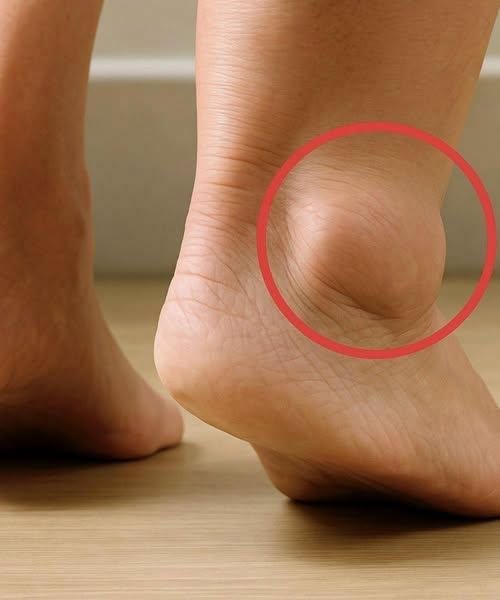
Persistent Swollen Feet May Be a Warning Sign That Should Not Be Ignored
Fluid Buildup in the Feet and Lower Legs Can Reflect Circulation Problems, Medication Effects, or Strain on Major Organs
Swollen feet are often dismissed as an unavoidable part of aging, but persistent swelling can sometimes be an early warning that the body is struggling to manage circulation and fluid balance.
A long day of standing, tight shoes, warm weather, or temporary water retention may cause mild swelling. However, swelling that repeatedly returns, lasts for an extended period, or steadily becomes worse deserves closer attention.
The problem may be connected to weakened veins, medication side effects, limited movement, or excessive salt intake. In more serious cases, swelling can reflect strain involving the heart, kidneys, or liver.
Because the condition may begin without significant pain, many people continue ignoring it until the swelling becomes uncomfortable or interferes with normal movement.
Why Fluid Collects in the Feet and Ankles
Swelling develops when fluid leaves the blood vessels and enters the tissues faster than the body can remove it.
The feet, ankles, and lower legs are common places for this fluid to collect because gravity naturally pulls blood and fluid toward the lowest parts of the body.
Healthy circulation helps move that fluid back toward the heart. The muscles in the legs and ankles assist this process every time a person walks, stretches, or changes position.
When circulation slows or the veins become less effective, fluid can remain trapped in the surrounding tissues.
The result may be puffiness around the ankles, tightness in the shoes, or visible marks where socks press against the skin.
In some people, the swelling is mild in the morning and becomes more noticeable later in the day. Others may experience swelling that remains present even after resting.
Aging Can Increase the Risk, but It Is Not the Only Explanation
Older adults are more likely to experience swelling because circulation may become less efficient with age.
Veins must work against gravity to return blood from the legs to the heart. Over time, that process may become more difficult, especially when a person spends many hours sitting or standing in one position.
Weaker circulation does not mean that all swelling should be considered normal.
Age may increase vulnerability, but persistent swelling still requires attention because it can reveal a separate medical or lifestyle-related problem.
Assuming that swollen feet are simply part of getting older may delay the identification of a condition that could be managed more effectively if addressed early.
Chronic Venous Insufficiency May Cause Repeated Swelling
One possible cause of ongoing swelling is chronic venous insufficiency.
This condition develops when the veins in the legs have difficulty moving blood efficiently back toward the heart.
When blood remains in the lower legs, pressure can increase inside the veins. Fluid may then leak into nearby tissues and create visible swelling.
The problem may become more noticeable after sitting or standing for long periods.
People may first notice that their shoes feel tighter by the end of the day or that their ankles look larger than they did in the morning.
Repeated swelling should not be ignored, particularly when it becomes more frequent or affects daily comfort.
Sitting for Long Periods Can Slow Circulation
Inactivity can make swelling worse because the leg muscles are not helping push blood upward.
Long periods spent in a chair, vehicle, or bed may allow more fluid to settle in the feet and lower legs.
Standing still for many hours can create a similar problem. Although the person is upright, the leg muscles may not be contracting enough to support healthy circulation.
Small movements can help activate the natural pumping action of the calves and ankles.
Flexing the feet, rotating the ankles, or taking brief walks throughout the day may reduce the amount of time fluid remains trapped in the lower body.
Medication Side Effects Can Contribute to Fluid Retention
Certain medications may also increase the likelihood of swelling.
Drugs used for blood pressure or inflammation can sometimes contribute to fluid retention in the feet and ankles.
This does not mean that a person should stop taking prescribed medication without guidance.
Suddenly changing or discontinuing treatment can create additional health risks.
Instead, new or worsening swelling should be discussed with a healthcare provider who can evaluate whether a medication may be involved.
A professional can determine whether the treatment should remain unchanged, be adjusted, or be replaced with another option.
Keeping track of when the swelling began can be useful, especially if it appeared after starting a new medication or changing a dose.
Heart Strain May Lead to Swelling
The heart plays a central role in moving blood throughout the body.
When it is unable to circulate blood as effectively as needed, pressure can build and fluid may collect in the lower extremities.
Swollen feet or legs may therefore be one sign that the heart is under strain.
The swelling may appear gradually and may not cause pain in its early stages.
This quiet progression is one reason the symptom can be overlooked.
A person may continue blaming shoes, age, or a long day while the underlying problem becomes more serious.
Persistent swelling should be evaluated rather than managed only with home measures, particularly when it is severe or continues worsening.
Kidney Problems Can Disrupt Fluid Balance
The kidneys help regulate the body’s fluid and salt balance.
When they are not functioning properly, excess fluid may remain in the body and settle in the feet, ankles, or lower legs.
Because kidney-related swelling may develop slowly, it can be mistaken for ordinary water retention.
The absence of pain does not necessarily mean the swelling is harmless.
If the kidneys are struggling, the body may be unable to clear fluid as efficiently as it normally would.
Medical evaluation can help determine whether the swelling is connected to kidney function or another cause.
Liver Function Can Also Affect Swelling
The liver contributes to several processes that help maintain normal fluid balance.
When the organ is under significant strain, fluid may begin accumulating in different parts of the body, including the feet and lower legs.
Swelling alone does not identify the cause, but it can serve as an outward sign that further assessment is needed.
Trying to manage persistent swelling only by changing shoes or resting may provide temporary comfort without addressing the reason the fluid is collecting.
Salt Can Encourage the Body to Hold More Fluid
Dietary salt may contribute to swelling by encouraging the body to retain water.
A high-salt diet can make it harder to maintain a healthy fluid balance, especially in people who already have circulation or organ-related concerns.
Reducing salt may help lessen unnecessary fluid retention.
This may involve paying attention not only to salt added during cooking, but also to the amount already present in prepared and packaged foods.
Moderation is important because fluid balance is influenced by several factors, and salt reduction alone may not resolve swelling caused by an underlying medical problem.
Gentle Movement Can Support Blood Flow
Regular movement is one of the simplest ways to support circulation in the lower body.
Short walks encourage the leg muscles to contract and help move blood back toward the heart.
People who cannot walk for long periods may still benefit from gentle ankle movements.
Flexing the feet upward and downward or slowly rotating the ankles can activate muscles that assist circulation.
These movements can be performed while seated and repeated throughout the day.
The goal is to avoid remaining completely still for extended periods.
Movement should remain gentle and appropriate for the individual’s comfort and mobility.
Elevating the Feet May Reduce Pressure
Raising the feet can help gravity move fluid away from the ankles and lower legs.
Elevation may be particularly helpful after a long period of sitting or standing.
The feet should be supported comfortably rather than left hanging without support.
Although elevation may reduce temporary swelling, it does not explain why the swelling occurred.
If the problem keeps returning, the temporary improvement should not replace a medical assessment.
Properly Fitted Shoes Can Improve Comfort
Swelling can make ordinary footwear feel tight and painful.
Well-fitted shoes provide enough room for the feet without creating unnecessary pressure.
Shoes that are too tight may leave deep marks, worsen discomfort, and make walking more difficult.
Comfortable footwear does not treat the underlying cause, but it can reduce irritation while the swelling is being evaluated or managed.
A noticeable change in shoe fit can also help reveal that swelling has increased, even before the difference is obvious by sight.
Compression Socks May Support Circulation
Compression socks can apply controlled pressure to the lower legs and may help reduce fluid buildup.
They are commonly used to support blood flow and limit pooling in the feet and ankles.
The socks must fit properly to be comfortable and useful.
Incorrect sizing or inappropriate use may create additional pressure rather than relief.
People with persistent swelling should seek guidance before relying on compression, especially when the cause has not been identified.
Compression may support symptom management, but it should not be treated as a substitute for investigating a serious underlying condition.
Hydration Remains Important
Some people reduce their water intake when they notice swelling because they assume drinking less will prevent fluid buildup.
However, staying appropriately hydrated supports the body’s normal fluid balance.
The goal is not to eliminate fluids without guidance, but to maintain healthy habits while determining why the swelling is occurring.
Anyone who has been given specific fluid instructions because of a heart, kidney, or liver condition should follow the plan provided by a healthcare professional.
When Swelling Should Be Evaluated
Swelling that appears after a long day and resolves completely with rest may be less concerning than swelling that remains, repeatedly returns, or becomes progressively worse.
Persistent swelling deserves medical evaluation because it may reflect chronic venous insufficiency, medication effects, or strain involving a major organ.
Sudden or severe swelling should receive prompt attention.
A rapid change may signal that the body’s circulation or fluid balance has been disrupted more seriously.
Waiting for pain to appear is not a reliable approach because significant conditions can begin without obvious discomfort.
The timing, duration, and severity of the swelling can all provide useful information during an evaluation.
Small Changes Can Help, but They Do Not Replace Medical Care
Daily habits can make a meaningful difference in comfort and circulation.
Gentle activity, ankle exercises, elevation, supportive shoes, reduced salt intake, and appropriate hydration may all help manage mild fluid buildup.
These steps are most useful when combined with an understanding of the underlying cause.
When swelling is linked to medication, venous problems, or organ strain, lifestyle measures alone may not be enough.
Early evaluation can turn a concerning symptom into an opportunity to identify and address a problem before it becomes more difficult to manage.
Do Not Dismiss a Persistent Change
Swollen feet can result from ordinary daily strain, but they can also be the body’s way of signaling that circulation or fluid control is not working as it should.
The symptom should be viewed in context rather than automatically blamed on age.
Changes that linger, return often, become severe, or worsen over time deserve attention.
Recognizing the pattern early may help uncover chronic venous insufficiency, a medication-related issue, or stress involving the heart, kidneys, or liver.
Simple supportive habits may ease discomfort, but persistent or sudden swelling should be professionally evaluated.
Taking the symptom seriously can help protect mobility, improve daily comfort, and create an opportunity for earlier treatment when a more significant condition is present.