
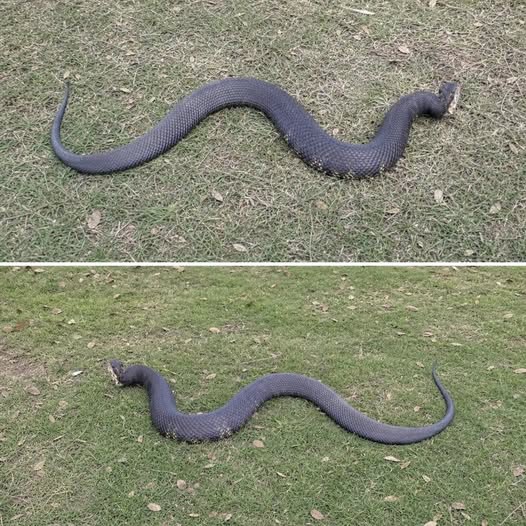
Bitten by an Eastern Copperhead in the Woods? What You Do Next Matters Most
The Moment Everything Changes
A quiet day outdoors can change in an instant.
One moment, someone may be walking through leaves or focusing on a hunt. The next, there is a sudden sting, movement in the undergrowth and the unmistakable glimpse of a snake disappearing into the vegetation.
Fear can arrive almost immediately.
The bitten area may begin to hurt, the heart starts racing and every frightening story ever heard about venom can suddenly come rushing back.
But once the snake has moved away, the most important issue is no longer chasing or identifying it at close range.
The priority becomes staying as calm as possible and getting appropriate medical attention.
The Eastern Copperhead Is Difficult to See
Eastern Copperheads are especially effective at blending into wooded environments.
Their coloration can make them difficult to distinguish from fallen leaves, soil and other natural material covering the forest floor.
That camouflage is one reason encounters can happen before a person realizes a snake is nearby.
A strike does not necessarily mean the animal was pursuing someone.
Many encounters occur when the snake feels threatened, startled or unable to escape quickly.
Once the bite has happened, however, trying to determine why the snake reacted is far less important than dealing with the injury.
Panic Can Make a Bad Situation Harder
A snakebite naturally creates fear.
That reaction is understandable, but uncontrolled panic can lead to poor decisions.
Running through uneven terrain, attempting to catch the snake or trying improvised treatments can create additional danger.
A calmer response gives the injured person a better chance of leaving the area safely and communicating clearly with emergency professionals.
The goal is not to pretend nothing has happened.
The goal is to recognize that the bite needs medical evaluation without allowing fear to dictate the next move.
Do Not Chase the Snake
Once the snake moves away, let it go.
There is no benefit in attempting to capture or kill it after the bite.
Approaching the snake again creates the possibility of another strike.
If a photograph can be obtained from a safe distance without delaying medical care or putting anyone at additional risk, it may help document what was seen.
But getting close enough for the perfect picture is never worth another bite.
Once useful information has been gathered safely, attention should return to the injured person.
Avoid Dramatic Home Remedies
Snakebite emergencies have inspired many improvised treatments over the years.
Some involve cutting the bite area, attempting to remove venom or applying extremely tight bands around a limb.
Those methods can cause additional injury and should not replace professional medical care.
The same applies to attempts to treat a venomous bite as something that can simply be handled in the woods.
Even when symptoms initially appear manageable, the person should be evaluated by medical professionals.
Movement Should Be Kept Controlled
If the person must move to reach help, the trip should be made carefully rather than as a panicked sprint.
Running can increase the chance of falling, becoming lost or suffering another injury.
Whenever practical, unnecessary exertion should be minimized.
If emergency services can reach the location, following their instructions is preferable to improvising an evacuation plan.
In remote areas, the safest available route out should be used without turning the situation into a race.
Get Medical Help Promptly
A suspected venomous snakebite should be treated as a medical emergency.
The injured person should be taken for professional evaluation as quickly and safely as possible.
Medical staff can assess symptoms, monitor the bite and determine what treatment is required.
Antivenom may be used when clinicians determine that it is appropriate.
The important point is that treatment decisions belong in a medical setting rather than beside a trail or hunting stand.
Not Every Bite Produces the Same Reaction
Snakebites can vary considerably.
The amount of venom involved may differ, and symptoms can develop differently from one person to another.
Some bites may cause relatively limited effects, while others can lead to significant pain, swelling and tissue injury.
That uncertainty is another reason not to judge the seriousness of the situation based only on the first few minutes.
Feeling relatively well immediately after a bite does not eliminate the need for medical assessment.
Watch the Injured Person, Not the Snake
Once the snake is no longer a direct threat, attention should remain on the person who was bitten.
Notice changes in swelling, pain, alertness or overall condition while arranging medical care.
If emergency professionals provide instructions, follow them carefully.
It can also be useful to remember approximately when the bite occurred and where on the body it happened.
Simple, accurate information can be more useful than spending precious time trying to identify every detail about the snake.
Remove Unnecessary Risks
Jewelry or tight objects near a bitten limb can become problematic if swelling develops.
Anything that could become restrictive should be considered carefully while waiting for professional guidance.
The broader principle is simple: avoid adding additional pressure or injury to an area that may already begin swelling.
Trying complicated field procedures can easily create more problems than they solve.
The Old Stories Are Often More Dramatic Than the Right Response
Popular culture has created an image of snakebite treatment filled with dramatic actions.
People imagine knives, improvised procedures and frantic attempts to defeat the venom immediately.
Real emergency care is usually far less theatrical.
The better response centers on safety, controlled movement, prompt medical evaluation and avoiding harmful interventions.
There is nothing glamorous about it.
But when someone is injured, practical decisions matter more than dramatic ones.
The Snake Does Not Need to Become the Enemy
Fear can easily turn into anger after a bite.
Someone may immediately want to return and kill the snake.
That serves little purpose once the animal has moved away.
It also exposes the injured person or companions to another unnecessary encounter.
The safest outcome is separation.
The snake goes one direction, and the injured person goes toward professional medical care.
Camouflage Is Part of What Makes Encounters So Sudden
One reason Copperheads create such memorable encounters is that they can remain extremely difficult to notice against natural ground cover.
A person may walk surprisingly close before recognizing the pattern of scales among the leaves.
That does not mean every wooded area is filled with danger.
It means paying attention to where hands and feet are placed remains important when moving through habitat where snakes may be present.
Outdoor awareness can reduce surprises even though it cannot eliminate every possible encounter.
A Bite Does Not Mean the Worst Outcome Is Inevitable
The first few seconds after a suspected venomous snakebite can feel catastrophic.
Pain, uncertainty and fear make it easy to imagine the most extreme result.
But modern medical treatment has changed how these emergencies can be managed.
The useful response is neither to ignore the bite nor assume disaster is unavoidable.
Instead, treat the situation seriously and move deliberately toward professional care.
Preparation Matters Before Going Into the Woods
Outdoor safety begins before anyone encounters a snake.
Hunters and hikers benefit from knowing how they would contact emergency services and how they would leave a remote area if someone became injured.
A charged phone, knowledge of the route and awareness of the nearest point where help can be reached can become extremely valuable during an emergency.
The middle of a crisis is a difficult time to begin figuring out those details.
Respect Is More Useful Than Fear
Snakes are part of the environments people enter when hiking, hunting or spending time outdoors.
Respecting their presence is more practical than assuming every encounter will turn into an attack.
Giving a snake room to escape reduces unnecessary interaction.
Watching the ground and avoiding careless movements around places where an unseen animal could be resting can also help.
Most importantly, a snake that has already moved away does not need to be pursued.
Keep the Situation Simple
After a frightening encounter, people sometimes make the response more complicated than necessary.
The essential priorities are straightforward.
Move away from immediate danger.
Stay as calm as possible.
Avoid unnecessary exertion and harmful improvised treatments.
Seek emergency medical care.
Let trained professionals decide what treatment is required.
Calm Does Not Mean Taking the Bite Lightly
Remaining calm should never be confused with ignoring symptoms or delaying treatment.
A calm person can still recognize that the situation is serious.
The difference is that they are less likely to make dangerous decisions because of panic.
They can communicate clearly, follow directions and focus on leaving the situation safely.
That controlled response is especially important when the bite happens far from immediate medical assistance.
The Hunt Can Wait
A hunt, hike or outdoor trip can always be postponed.
Once a suspected venomous bite occurs, finishing the activity should no longer matter.
The animal has already moved on.
The equipment can be collected later if necessary.
The priority is the person who was bitten.
No trophy, trail or afternoon in the woods is worth delaying medical evaluation.
The Most Important Choice Comes After the Bite
The frightening part of a Copperhead encounter may last only seconds.
The snake appears, strikes and disappears into the leaves.
What follows is where judgment becomes most important.
There is no need for revenge, dramatic field procedures or reckless rushing.
Instead, respect the danger, get away safely and seek professional care.
The woods will still be there another day.
In that moment, the only thing that truly matters is making sure the person who was bitten will be there too.