
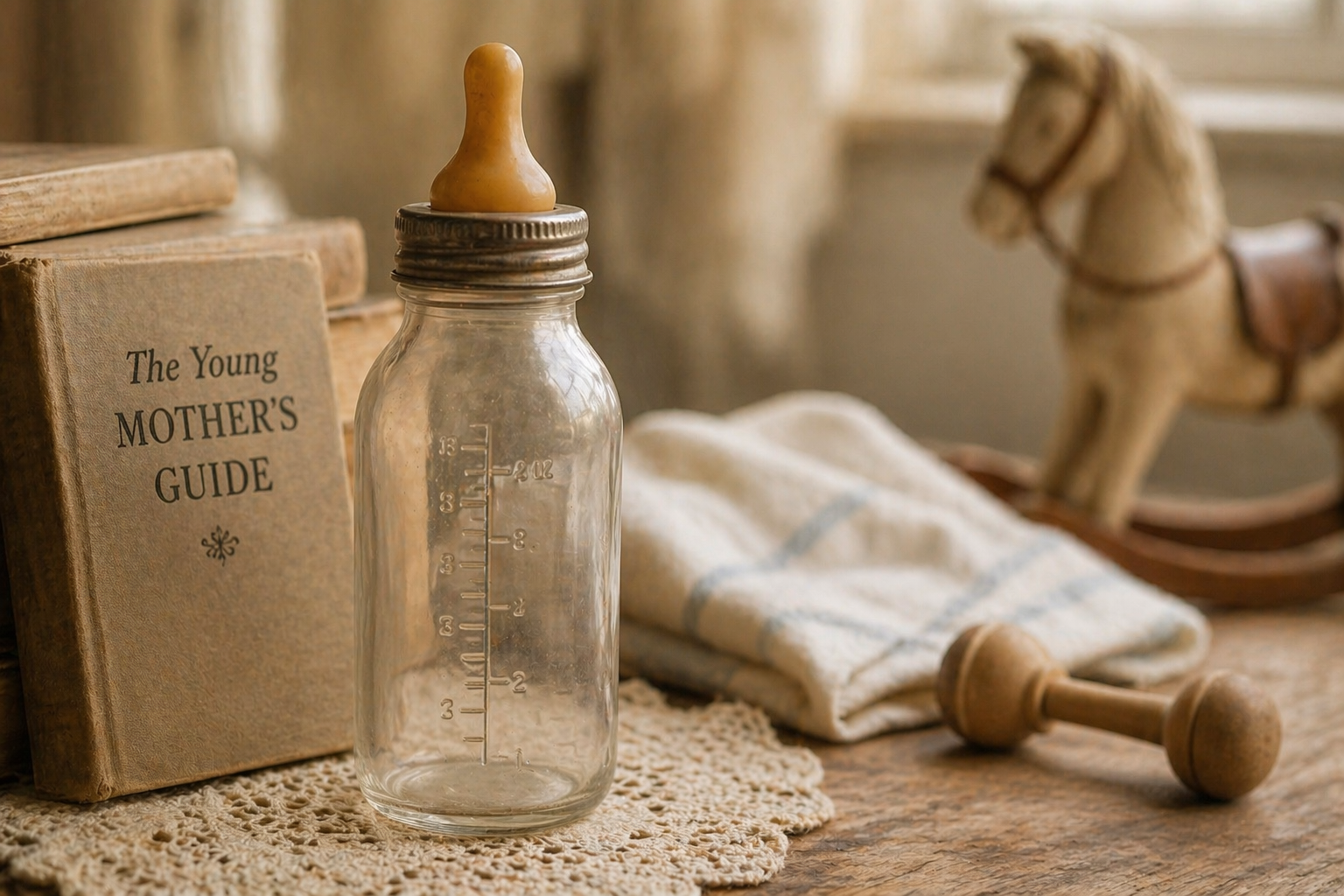
Why Some Parents Once Used Whiskey to Soothe Babies: A Look at Historical Childcare Practices
Parenting Through the Lens of History
Parenting methods have changed significantly over time. What families considered normal or helpful in one era may seem surprising today. Many childcare decisions in the past were shaped by tradition, limited medical knowledge, and the remedies available at the time.
One historical example often discussed is the use of whiskey in baby bottles or as a soothing treatment for infants. While this practice is now considered unsafe, it was once accepted in some households and communities.
Understanding why it happened offers insight into how parenting evolved and how science continues to improve child health and safety.
When Alcohol Was Viewed as Medicine
During the 19th century and into the early 20th century, whiskey and other forms of alcohol were commonly used for health-related purposes. Many families believed alcohol could relieve discomfort, help with sleep, or ease symptoms linked to common illnesses.
At a time when pharmacies, pediatric care, and modern treatments were not widely available in every area, people often relied on household remedies. Items already present in the home were frequently used for both adults and children.
Because whiskey was widely accessible and familiar, many saw it as a practical option rather than a dangerous one.
Why Parents Thought It Helped Babies
Crying, restlessness, and sleepless nights have always been part of caring for infants. Parents in earlier generations faced the same challenges modern families know well, but they had far fewer approved solutions.
Some believed a small amount of whiskey could calm a baby, reduce fussiness, or help the child sleep. Exhausted caregivers often viewed any remedy that appeared to bring relief as valuable.
These beliefs were passed from one generation to the next, reinforcing the idea that the practice was helpful and harmless.
Use During Teething
Teething has long been one of the most stressful stages of infancy. Babies may become irritable, uncomfortable, and difficult to settle. Before modern pain relief options were available, many families searched for ways to ease that discomfort.
Some parents rubbed whiskey on a baby’s gums, believing it would numb the area and lessen pain. Others added a small amount to a bottle in hopes of calming the child enough to rest.
At the time, these actions were often seen as caring responses rather than risky behavior.
Medical Advice Was Different Then
Medical guidance in earlier eras was very different from what families receive today. Child development research was limited, and many recommendations were based on tradition, anecdotal experience, or accepted custom rather than controlled scientific study.
Some doctors and caregivers of the period supported remedies that would now be rejected. Without clear evidence of harm, practices involving alcohol sometimes continued for years.
As a result, many parents trusted advice that reflected the knowledge available at the time.
Social Attitudes Toward Whiskey
Public attitudes toward alcohol also played a major role. In many communities, whiskey was a routine part of daily life and was not always viewed solely as a recreational drink.
It could be found in homes, used during social gatherings, and sometimes kept for practical purposes. Because adults often used it for discomfort or stress, some families extended that thinking to childcare.
What seems alarming today was once normalized by the culture surrounding it.
How Understanding Began to Change
As medical science advanced during the mid-20th century, experts gained a better understanding of how alcohol affects the body, especially the developing bodies of children.
Research and public health education gradually made it clear that alcohol was not a safe solution for infants. Pediatric care improved, and new standards for child wellness became more widely accepted.
With better information available, many older remedies disappeared from regular use.
Safer Options Replaced Old Remedies
Modern families now have access to safer, well-tested ways to comfort infants. Pediatric guidance, approved medicines, improved nutrition, and better understanding of sleep and development have changed the parenting experience.
Caregivers no longer need to depend on guesswork or inherited remedies alone. Support from doctors, nurses, and evidence-based resources has replaced many uncertain practices of the past.
This shift reflects one of the most important improvements in family health over the last century.
Why Looking Back Matters
Historical parenting habits can seem shocking when viewed through modern standards. However, they also show that most parents were trying to help their children with the tools and knowledge they had at the time.
Many past practices were rooted in concern, not neglect. Families wanted relief for crying babies, painful teething, and sleepless nights, even if their methods were misguided by today’s understanding.
Looking back with context helps explain how childcare has progressed.
Lessons for Parents Today
The story of whiskey in baby bottles is a reminder that tradition should always be weighed against current medical knowledge. Practices passed down over generations are not automatically safe simply because they were once common.
Today’s parents benefit from better research, clearer health guidance, and a deeper understanding of child development. Those advances make it easier to make informed choices focused on safety and long-term well-being.
Parenting will likely continue to evolve in the future. As new discoveries emerge, families can keep learning, adapting, and giving children the best care possible.
A Clear Sign of Progress
From home remedies once accepted without question to modern pediatric standards, the change in infant care reflects broader progress in medicine and public awareness.
What once seemed normal now serves as a lesson in why evidence matters. It also highlights how much support families have today compared with earlier generations.
History does not just show where parenting has been. It also shows how far it has come.