
The Truth About Thigh Gap: What It Really Means for Your Body and Health
Why the “Thigh Gap” Became So Popular
For years, the idea of a “thigh gap” has been widely discussed across social media, magazines, and fitness trends.
It is often presented as a symbol of beauty or even a sign of being in good shape.
However, this perception does not reflect how the human body actually works.
Understanding what a thigh gap really is can help separate common myths from reality and promote a healthier perspective on body image.
What a Thigh Gap Actually Is
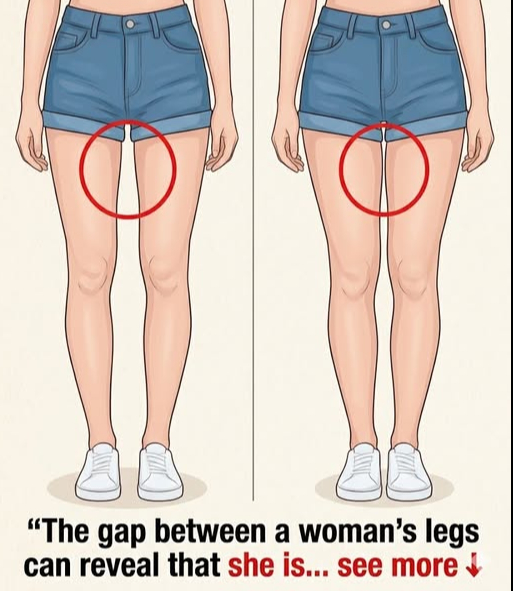
A thigh gap refers to the space between the inner thighs when a person is standing upright with their feet together.
It is simply a physical characteristic. It is not a fitness milestone, medical condition, or indicator of body quality.
Like many other physical traits, it varies naturally from person to person.
Why Some People Have It and Others Do Not
The presence or absence of a thigh gap is primarily determined by body structure rather than weight.
Several natural factors influence this, including hip width, pelvic shape, bone alignment, and muscle distribution.
Because of these structural differences, many individuals will not develop a thigh gap, regardless of diet or exercise habits.
This means that not having one is completely normal and expected for a large portion of people.
Is a Thigh Gap a Sign of Health?
A thigh gap is not a reliable indicator of health or fitness.
Health is influenced by factors such as balanced nutrition, physical strength, cardiovascular condition, and overall lifestyle habits.
It is possible for someone to be healthy without a thigh gap, just as it is possible for someone to have one and not be in optimal health.
Focusing solely on appearance can overlook the more important aspects of well-being.
The Risks of Chasing a Trend
The popularity of the thigh gap as a beauty standard has led some individuals to pursue it as a goal.
This pursuit can sometimes involve restrictive eating patterns or excessive exercise, which may negatively affect physical and mental health.
Experts often caution against setting body goals that are based on appearance rather than function or well-being.
Healthy habits should support the body, not place it under unnecessary stress.
How Beauty Standards Influence Perception
The rise of the thigh gap trend is closely linked to media representation and shifting beauty standards.
Images shared online often highlight specific body types that may not reflect the natural diversity of real bodies.
Over time, repeated exposure to these images can create unrealistic expectations.
Recognizing this influence can help individuals develop a more balanced and realistic understanding of body image.
Understanding Body Fat Distribution
Body fat is distributed differently in each person, and this distribution plays a role in overall health.
Fat stored in the hips and thighs is a normal part of human biology and may support the body’s natural energy balance.
In contrast, certain other types of fat distribution may carry different health considerations.
This highlights the importance of viewing the body as a whole rather than focusing on a single physical feature.
What Truly Matters for Health
Instead of focusing on a specific appearance-based goal, it is more beneficial to prioritize overall well-being.
This includes maintaining strength, supporting energy levels, staying active, and building sustainable habits.
Simple questions can help guide this approach: Do you feel strong? Do you feel energized? Do you feel capable in your daily life?
These factors provide a more meaningful measure of health than any single visual trait.
A Shift Toward More Realistic Body Perspectives
In recent years, there has been a growing movement toward accepting natural body diversity.
This perspective emphasizes that bodies come in many shapes and sizes, all of which can be healthy.
Whether someone has a thigh gap or not does not determine their value or well-being.
This shift encourages a more supportive and realistic approach to self-image.
Rethinking the Way We View Our Bodies
The human body is designed to support movement, health, and daily life—not to meet a specific visual standard.
Focusing on balance, nourishment, and activity can help create a more sustainable and positive relationship with the body.
Rather than aiming for perfection, the goal becomes maintaining function and overall wellness.
Final Thoughts
The concept of a thigh gap is often misunderstood. It is simply a physical trait, not a goal or a measure of health.
It does not define strength, well-being, or personal value.
By shifting focus toward how the body feels and functions, it becomes easier to build habits that support long-term health.
In the end, real wellness is not about meeting a trend—it is about maintaining balance and supporting the body in a way that works best for you.
This article is for informational and educational purposes only and does not replace professional medical advice.