
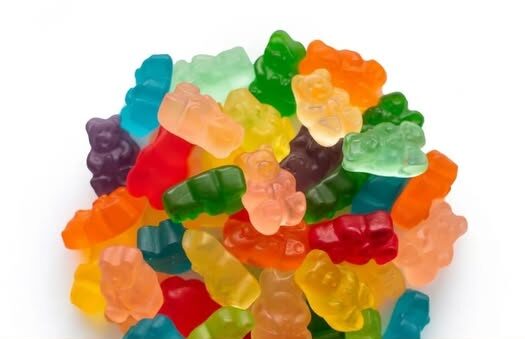
Many People Are Shocked to Learn What Gives Gummy Bears Their Chewy Texture
The Popular Candy Often Contains Gelatin Made From Animal Tissues, but Plant-Based Alternatives Are Available
Gummy bears are closely connected to childhood memories for many people.
The brightly colored candies appear in lunchboxes, birthday-party bowls, movie-night snacks, and convenience-store displays around the world.
Most consumers recognize their fruity flavors and distinctive chewy texture without thinking about how that texture is created.
That changed for one Reddit user after discovering that many traditional gummy candies contain gelatin derived from animal tissues.
The revelation prompted surprise from other users who had eaten gummy bears for years without realizing that an animal-based ingredient was responsible for their familiar consistency.
The conversation became another example of how an ordinary social-media post can encourage people to examine the ingredients inside foods they may have purchased since childhood.
What Gelatin Actually Is
Gelatin is a protein-based substance obtained from collagen found in animal connective tissues.
Depending on the manufacturer and production process, its sources may include skin, bones, cartilage, and other tissues from pigs or cattle.
These materials are processed to extract collagen, which is then converted into gelatin.
When mixed with water and heated, gelatin dissolves.
As the mixture cools, it forms a flexible gel.
This property makes it especially useful in products that need to remain soft, elastic, and chewy.
Gelatin is not placed into gummy candy in the visible form of bones or tissue.
It is a highly processed ingredient, usually appearing on a label simply as “gelatin.”
Its origin can still matter greatly to consumers following vegetarian, vegan, religious, ethical, or allergy-conscious diets.
Why Gummy Candy Uses Gelatin
Traditional gummy bears need an ingredient that can hold their shape without becoming hard or brittle.
Gelatin gives the candy its recognizable bounce and elasticity.
It allows a gummy bear to stretch slightly when bitten while remaining firm enough to survive packaging, transportation, and storage.
Sugar, flavoring, coloring, and syrup contribute sweetness and appearance, but gelatin creates much of the texture people associate with a classic gummy.
Without an effective gelling ingredient, the candy could become sticky, overly soft, or more similar to jelly than a chewy sweet.
Manufacturers have relied on gelatin for decades because it is dependable, widely available, and able to produce a consistent texture.
The Discovery Can Be Unexpected
Many consumers assume fruit-flavored candy is made primarily from sugar, syrup, coloring, and artificial or natural flavoring.
The package may feature fruit images and bright colors, giving little visual indication that the product contains an animal-derived ingredient.
Unless someone reads the ingredient list closely, gelatin can be easy to overlook.
People may also know the word without understanding where the ingredient comes from.
Someone can see “gelatin” on a package for years and assume it is simply another form of starch or sugar.
Learning its origin later can create a strong reaction, particularly for individuals who intentionally avoid pork or other animal products.
Not Every Gummy Contains the Same Ingredients
Consumers should not assume that all gummy candy contains animal gelatin.
Recipes differ between manufacturers, product lines, and countries.
Some companies continue using pork-derived or beef-derived gelatin.
Others use fish gelatin or ingredients made entirely from plants.
Even two candies that look nearly identical may have very different ingredient lists.
A brand may also sell one product containing gelatin and another made with pectin or starch.
Checking the specific package is therefore more reliable than assuming that an entire brand is suitable for a particular diet.
Pectin Is a Common Plant-Based Alternative
Pectin is a naturally occurring substance found in the cell walls of fruits.
It is commonly associated with apples and citrus fruits and has long been used to help jams and jellies set.
Candy manufacturers can use pectin to create gummies without animal gelatin.
The resulting texture may be slightly softer or less elastic than that of a traditional gelatin-based gummy.
However, modern recipes can still produce satisfying, chewy sweets.
Pectin-based candies are often suitable for vegetarian or vegan consumers, provided the remaining ingredients also meet those requirements.
A product containing pectin is not automatically vegan because its coloring, coating, flavoring, or glazing agents could come from other sources.
Agar-Agar Comes From Algae
Agar-agar is another gelling ingredient used in plant-based cooking and food production.
It is derived from certain types of red algae and is widely used in desserts, jellies, and laboratory applications.
Agar creates a firmer gel than traditional animal gelatin.
Because its texture can be more brittle, gummy-candy recipes may combine it with other ingredients to produce a softer result.
Its plant-based origin makes it attractive to manufacturers creating vegetarian or vegan sweets.
It is also used in some cultures as a traditional dessert ingredient, demonstrating that animal gelatin is not the only way to create a stable gel.
Starch Can Also Create Chewy Candy
Starches derived from sources such as corn, potato, or tapioca can help create chewy textures.
Starch-based gummies may feel different from gelatin candies, but they can still be soft and enjoyable.
Some manufacturers combine starch with pectin or other stabilizers to achieve the desired consistency.
The development of these alternatives has expanded the range of candies available to people who avoid animal-derived products.
Consumers no longer have to assume that giving up gelatin means giving up every form of gummy candy.
Why Ingredient Sources Matter to Different Consumers
People avoid gelatin for many reasons.
Vegetarians generally avoid ingredients obtained from slaughtered animals.
Vegans avoid animal-derived ingredients more broadly.
Some religious dietary practices restrict pork or require meat-derived ingredients to meet specific preparation standards.
Other consumers may object to animal ingredients for personal or environmental reasons.
For these individuals, knowing that a candy contains gelatin is not a minor detail.
It determines whether the product aligns with their values or dietary rules.
“Gelatin-Free” and “Vegan” Do Not Always Mean the Same Thing
A candy can be free from gelatin without being fully vegan.
Some products use plant-based gelling agents but include other ingredients that may concern vegan consumers.
Certain colorings, confectioner’s glazes, waxes, dairy ingredients, or flavorings may have animal connections.
Labels such as “vegan” provide clearer guidance when supported by trustworthy certification.
However, consumers should still read the full ingredient list if they have strict dietary requirements.
“Vegetarian,” “plant-based,” “gelatin-free,” and “vegan” are related descriptions, but they are not always interchangeable.
Label Reading Can Prevent Unwanted Surprises
Ingredient labels allow consumers to identify gelatin before purchasing a product.
The ingredient is often listed clearly by name.
However, the label may not always state whether it came from pork, beef, or fish.
People who need to know the exact source may have to check the manufacturer’s website or contact the company directly.
Certification symbols can also help.
Vegan, vegetarian, kosher, or halal markings may provide additional information, although consumers should understand the standards behind each certification.
Recipes can change over time, so checking a familiar product occasionally remains sensible.
Gelatin Appears in More Than Gummy Bears
Gummy bears may receive the most attention, but gelatin is used in many other processed foods.
It can appear in marshmallows, jelly candies, dessert gels, chewy vitamins, capsules, yogurt products, cake decorations, and certain frostings.
Some foods that seem unrelated to meat may therefore contain animal-derived ingredients.
This does not mean every version of those products contains gelatin.
Plant-based alternatives are increasingly common.
The lesson is that texture can reveal as much about a food’s ingredients as its flavor does.
Gummy Vitamins May Contain Gelatin Too
People often pay closer attention to candy labels than supplement labels, yet gummy vitamins frequently rely on similar gelling technology.
A supplement marketed for health or wellness can still contain pork or beef gelatin.
Vegetarian and vegan alternatives are available, but their packaging should be reviewed carefully.
Consumers should also avoid assuming that a product labeled “natural” is animal-free.
Gelatin itself can be described as natural because it comes from biological material.
The term does not indicate whether an ingredient is plant-based.
Snack Pack Pudding Became Part of the Online Discussion
During the Reddit exchange, another user mentioned Snack Pack pudding cups as a treat that does not rely on gelatin.
The suggestion appealed to people who wanted a convenient processed dessert without the same animal-derived gelling ingredient associated with many gummies.
Pudding achieves its texture differently.
It commonly relies on modified starches and other thickening ingredients rather than gelatin.
That distinction can make certain pudding cups an option for consumers avoiding gelatin.
However, people following vegan diets must consider other ingredients as well.
A product can be free from gelatin while still containing milk or other animal-derived components.
Gelatin-Free Does Not Automatically Mean Healthy
Replacing gelatin with pectin, agar, or starch changes the ingredient source, but it does not necessarily transform candy into a nutritious food.
Plant-based gummies may still contain significant amounts of sugar, syrup, coloring, and flavoring.
They can be appropriate for someone avoiding animal products while remaining a treat intended for occasional enjoyment.
Dietary ethics and nutritional quality are separate considerations.
A product may align with vegan preferences without being low in sugar.
Similarly, a conventional gelatin candy is not automatically dangerous simply because it contains an animal-derived ingredient.
The important issue is whether consumers understand what they are purchasing and can choose according to their needs.
Food Processing Often Hides Familiar Origins
Modern food production separates ingredients from their original appearance.
By the time gelatin reaches a candy factory, it no longer resembles the tissues from which its collagen originated.
The same is true of many other ingredients.
Oils, starches, flavorings, colorings, and emulsifiers may undergo several processing stages before becoming part of a packaged product.
This distance can make it difficult for shoppers to connect a technical label with its source.
Online discussions often become popular because they restore that missing connection.
A single explanation can change how thousands of people view an ordinary snack.
Social Media Can Increase Ingredient Awareness
Reddit, TikTok, Facebook, and other platforms frequently host discussions about unexpected food ingredients.
These conversations can encourage people to read labels and learn more about manufacturing processes.
They can be particularly helpful when users share information about alternatives that others may not know exist.
However, social-media claims should still be examined carefully.
Posts may oversimplify how an ingredient is produced or incorrectly suggest that every product uses the same recipe.
The most useful discussions inspire further checking rather than replacing it.
The Discovery Can Be Emotional for Some People
For many users, learning about gelatin is merely an interesting fact.
For others, it can feel upsetting.
A person may discover that a favorite candy conflicts with religious beliefs or a vegetarian lifestyle they have followed for years.
Some may feel misled even though the ingredient was listed on the package.
The problem is often not hidden labeling but unfamiliar terminology.
People cannot make informed choices when they do not understand what an ingredient name represents.
Clear explanations help close that gap.
Manufacturers Are Responding to Changing Preferences
Demand for vegetarian and vegan products has encouraged candy companies to experiment with new formulations.
Creating a gelatin-free gummy is not as simple as replacing one ingredient in equal amounts.
Each gelling agent reacts differently to heat, acidity, moisture, and storage.
Manufacturers must adjust the recipe to maintain flavor, shape, shelf life, and chewiness.
The growing number of plant-based gummies shows that those technical challenges can be overcome.
Consumers now have more choices than earlier generations did.
Children With Dietary Restrictions Need Clear Guidance
Adults often choose snacks for children without discussing every ingredient.
A child following a vegetarian, vegan, halal, or kosher diet may accept gummy candy because it appears fruit-based.
Parents and caregivers can help by explaining that certain sweets contain gelatin and teaching children how to identify suitable alternatives.
The goal does not need to be creating fear around food.
It can simply involve showing children that similar-looking products may be made differently.
This knowledge allows them to make confident choices in school, at parties, and while shopping.
Restaurants and Unpackaged Candy Can Be More Difficult
Packaged food provides an ingredient label, but loose candy sold from bins may not display complete information nearby.
Desserts served in restaurants or at social events can also contain gelatin without obvious signs.
People with strict dietary requirements may need to ask how a product was prepared.
When the answer is unclear, choosing an alternative may be the safest option for maintaining personal dietary standards.
This is especially important for individuals whose restrictions are based on religious observance or significant allergies.
Informed Choice Is More Useful Than Alarm
Discovering that gelatin comes from animal tissue can sound dramatic when presented without context.
The purpose of learning about the ingredient should not be to frighten people who enjoy traditional gummy candy.
Gelatin has been used in food production for a long time, and many consumers are comfortable eating it.
Others prefer to avoid it.
Both groups benefit from accurate information.
The most responsible response is not panic but awareness.
Consumers can decide whether the ingredient suits their dietary preferences and choose another product when it does not.
A Small Discovery Can Change Shopping Habits
The Reddit conversation began with surprise over a childhood sweet.
It quickly expanded into a broader discussion about food labels, animal byproducts, and plant-based alternatives.
For some readers, the discovery may lead to switching brands.
Others may continue eating traditional gummies while feeling better informed about how they are made.
Some may begin checking marshmallows, vitamins, and desserts for the same ingredient.
That is the lasting value of these casual online exchanges.
They turn familiar products into opportunities for greater awareness.
Knowing What Is Inside Everyday Food Matters
Gummy bears may look like simple combinations of sugar, fruit flavor, and bright coloring.
Their characteristic chew often comes from a much less obvious source.
Traditional gelatin can be produced from collagen in pig or cattle tissues, while alternatives such as pectin, agar-agar, and starch can create similar sweets without those animal materials.
Neither recipe needs to remain mysterious.
Ingredient lists give consumers the ability to compare products and select those that match their preferences.
A childhood favorite does not have to be abandoned completely when plant-based versions are available.
At the same time, people who are comfortable consuming gelatin can continue doing so with a clearer understanding of the product.
The most important outcome is informed choice.
Knowing where ingredients come from empowers consumers to decide what belongs in their diets rather than discovering the answer years later through a surprising social-media post.