
Andrew McCarthy’s Journey From ’80s Heartthrob to Reinvented Creative Force
An Unlikely Path to Fame
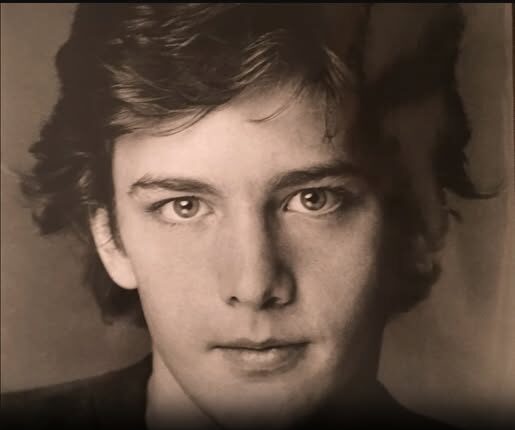
In the 1980s, Andrew McCarthy became the face that adorned bedroom walls and school binders across America. With tousled dark hair and a quiet, introspective presence, he embodied a type of sensitivity that resonated deeply with teenage audiences.
His appeal felt personal. On screen, his gaze seemed to meet the viewer directly, creating the illusion of a private connection in a world dominated by larger-than-life personalities.
Yet his rise to prominence was anything but smooth. Behind the glossy photographs and promotional campaigns was a young man who felt unsteady in the spotlight.
Born in 1962 in Westfield, New Jersey, McCarthy’s upbringing was far removed from the entertainment industry. He grew up as the third of four boys in a middle-class household.
His mother worked at a newspaper, while his father managed investments. There were no Hollywood ties, no industry mentors, and no early blueprint for celebrity success.
As a teenager, he discovered a passion for acting. At the same time, he struggled socially and often felt disconnected from his peers.
“I just felt sort of very lonely at school. I just didn’t feel like I belonged there,” he once recalled.
After graduating from high school, he enrolled at New York University to study acting. College life, however, did not unfold as planned.
“I didn’t really go [to class],” he admitted later.
His lack of attendance eventually led to his expulsion after two years. What seemed like a setback quickly turned into a turning point.
Shortly after leaving NYU, he answered an open casting call he saw in a newspaper. The film was titled Class, and it starred Jacqueline Bisset.
He stood in line for hours among hundreds of hopefuls.
“I waited for hours with 500 other kids and they call me back. It was so out of the blue. One week I was in school and the next week I’m in bed with Jacqueline Bisset. I thought, ‘I’m doing something right here,’” he said.
His role as Jonathan, a prep school student involved in an affair with his roommate’s mother, attracted industry attention. Almost immediately, the university that had dismissed him reconsidered.
“Then [NYU] offered that I come back, pay the tuition and I could use [the movie] as independent study. I told them to go f*** themselves.”

Teen Idol Status and the Weight of Expectation
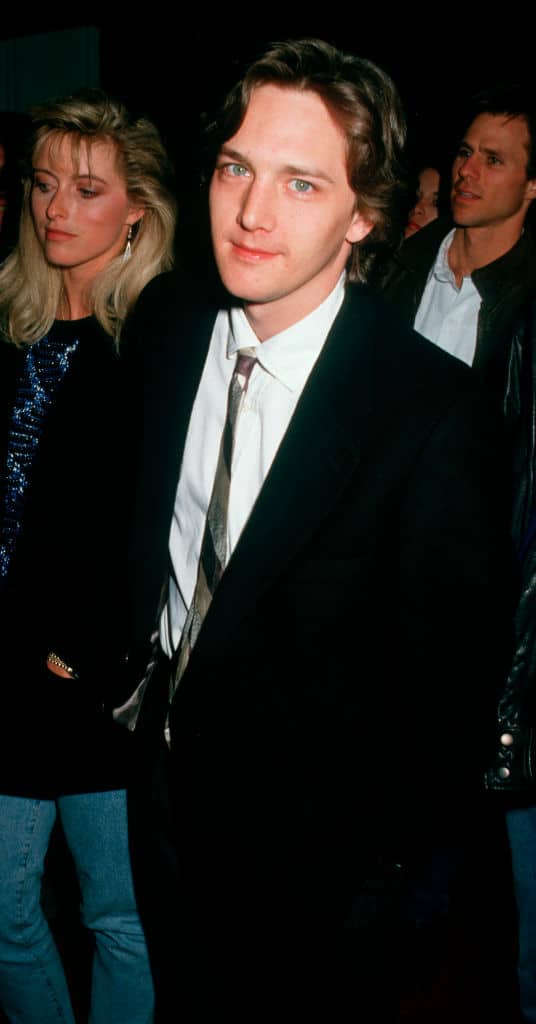
The mid-1980s solidified McCarthy’s place in pop culture. He starred in a string of successful films that defined a generation of young moviegoers.
His performances placed him among a group of rising actors frequently referred to as the “Brat Pack.” The label followed him everywhere, regardless of how well it fit.
Audiences saw a soft-spoken romantic lead. What they did not see was a young actor who felt overwhelmed by sudden fame.
“I was totally unprepared for any kind of success when I was a young person. I didn’t know anyone who was successful in that way in show business, or famous,” he once shared.
“I also temperamentally wasn’t particularly suited for it. Attention made me recoil.”
While the public projected confidence and charm onto him, he often felt uneasy and exposed.
As his visibility increased, so did his reliance on alcohol. What began as experimentation in high school gradually turned into a coping mechanism.
He later reflected on how his struggles were hidden behind the camera.
“Like in Pretty in Pink for example, people said, ‘Oh, he’s so sensitive and lovely in that movie.’ I was so hungover for that whole movie… I’m thinking, ‘God, I got a headache. I am just dying here. I got to go lay down’. But on film I came across a certain way.”
Alcohol, he admitted, gave him a false sense of control.
“If I was frightened, it gave me good Dutch courage,” he said.
“I felt confident and sexy and in charge and in control and powerful — none of those things I felt in my life.”
He also acknowledged occasional cocaine use.
“If you had it, I did it,” he admitted — though he rarely used it on set.
“I was anxious enough — I didn’t need to be adding cocaine.”
A Breaking Point and the Decision to Change
By 1989, as he prepared to film Weekend at Bernie’s, McCarthy attempted to quit drinking. He stepped away from the party scene and tried to embrace isolation.
For someone naturally introverted, solitude was not frightening.
“I’m very comfortable being alone and I’ve always been comfortable being alone,” he said years later.
“I find that people go to great lengths to avoid being alone and they get themselves into a lot of trouble. I find that a lot of unhappiness is from trying not to be alone.”
Despite his efforts, sobriety proved fragile. During the filming of Jours tranquilles à Clichy, he accepted a beer from a co-star.
He later described watching his hands tremble as he lifted the can. What followed were several painful years marked by instability.
Eventually, he found himself collapsed on a bathroom floor, severely hungover and shaking. The moment forced a reckoning.
At 29, he entered rehab and completed detox. The decision marked a permanent shift in his life.
From that point forward, he committed to living without alcohol or drugs. The change was not dramatic in public view, but it redefined his future.

A Career Reimagined
As the years progressed, McCarthy gradually stepped away from the teen idol image that had defined his early career. Rather than chase the spotlight, he began reshaping his professional identity.
He transitioned into directing, overseeing episodes of well-known television series and building experience behind the camera.
His creative instincts extended beyond film and television. He developed a deep interest in travel writing.
In 2010, he was named Travel Journalist of the Year. His essays appeared in respected publications, marking the emergence of a second creative life.
He sees a direct link between his work as an actor and his writing.
“People say, ‘How does an actor become a travel writer? That’s interesting. They are so different.’ But they are exactly the same to me. They manifest in the same way in that they’re both storytelling, and that’s how I communicate. They’re both some expression of creativity,” he explained.
Travel offered him perspective and presence.
“I’m just a better version of myself when I’m traveling,” he told NJ Monthly.
“You’re more vulnerable, you’re present in the world, your ‘Spidey sense’ is up.”
Family and Stability
McCarthy’s personal life evolved alongside his professional transformation. In 1999, he married his college sweetheart, Carol Schneider, after reconnecting years later.
“I ran into someone who said they had seen Carol and her boyfriend and they seemed really happy, and for some reason it bothered me for a week. I called her and asked her if she was really with this guy and asked her out for coffee.”
The couple welcomed a son, Sam, in 2002. They later divorced in 2005.
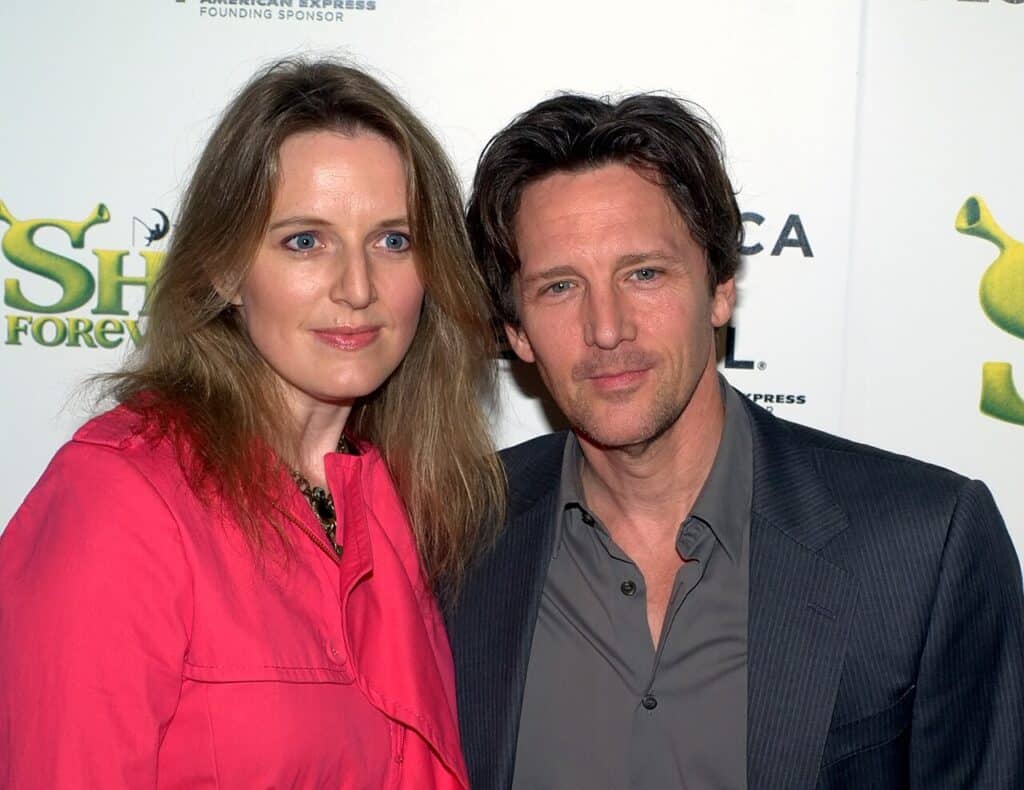
In 2011, he married Irish writer and director Dolores Rice. Together they have two children, Willow and Rowan.
Today, he lives a relatively grounded life in New York’s West Village. He has directed nearly a hundred hours of television and balances professional commitments with family life.
“I adore my children, naturally,” he says simply.

Perspective Without Nostalgia
Decades after his breakthrough roles, McCarthy remains a familiar figure to audiences who grew up watching his films. Admirers continue to express affection for his work and appearance.
Yet he approaches his past with measured distance.
“It’s nice,” he says about the enduring love for his old films.
“It’s their experience, but it doesn’t have a lot to do with me particularly at this point. I don’t have a lot of nostalgia for my past.”
His features have matured, and his demeanor carries a quiet steadiness that contrasts sharply with the uncertainty of his early fame.
While many young stars of his era struggled publicly, McCarthy charted a different course. He confronted addiction, embraced recovery, and pursued new creative outlets.
The transformation was gradual but decisive. Rather than remain fixed in a single chapter, he allowed his identity to expand.
The young man who once symbolized teenage longing ultimately found fulfillment beyond the screen. His story is not simply about stardom, but about growth.
In the end, the most compelling part of his journey lies not in the intensity of his rise, but in the resilience that followed.
He did not just navigate Hollywood; he reshaped his life on his own terms.
What remains is a portrait of reinvention — an artist who moved from heartthrob status to creative longevity, proving that a second act can be just as meaningful as the first.