
Trump Criticizes Gavin Newsom Over Dyslexia Remarks as Political Feud Intensifies
Trump and Newsom Clash Over Dyslexia Comments
President Donald Trump sharply criticized California Governor Gavin Newsom after the governor spoke publicly about having dyslexia, turning a personal admission into the latest flashpoint in their long-running political rivalry.
The exchange unfolded after Newsom discussed his learning disability while promoting his new memoir during an appearance in Atlanta. His comments were framed as part of a broader message about humility, personal challenges, and the idea that public figures do not need to present themselves as flawless to connect with voters.
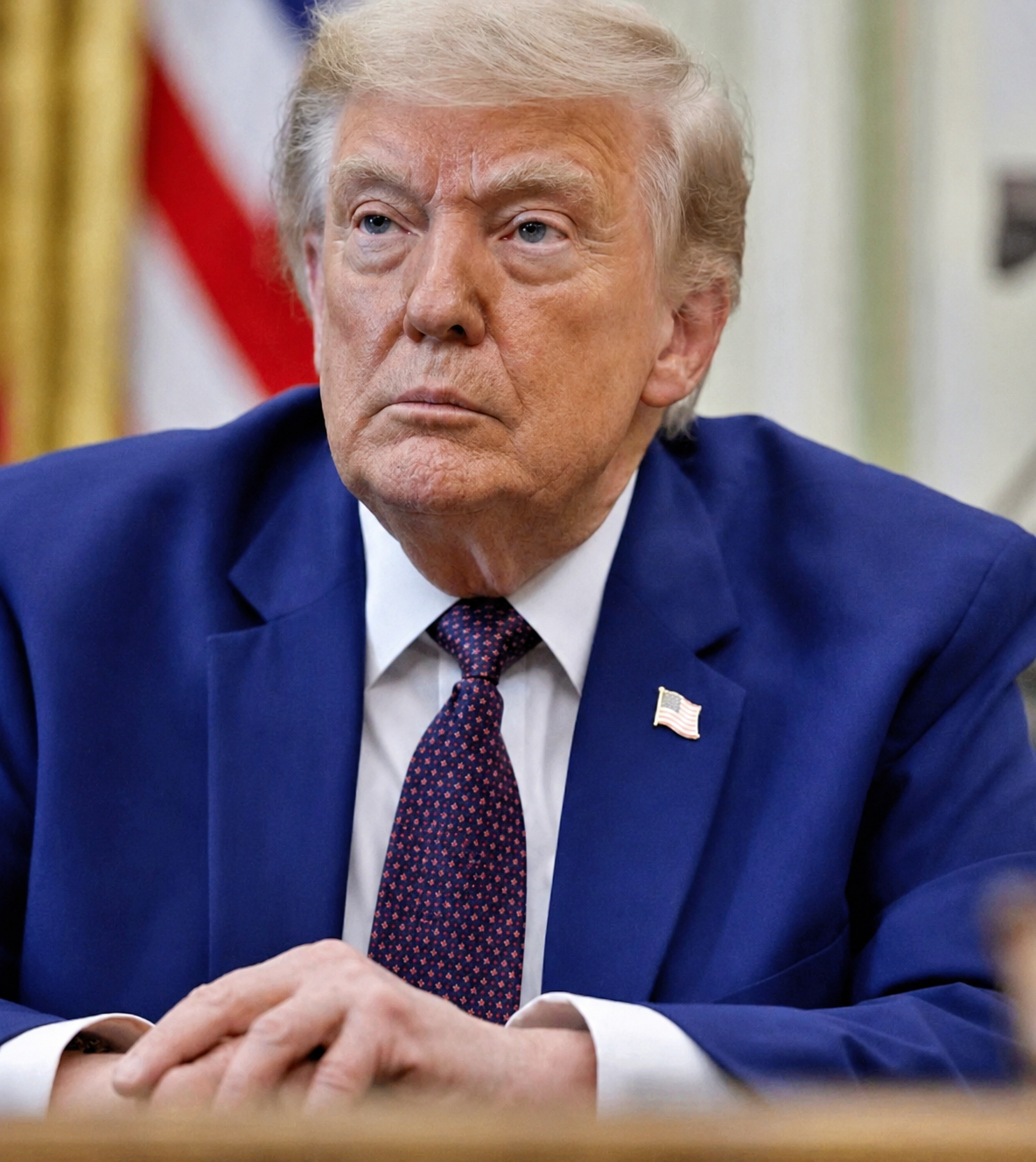
Trump responded during a conversation with reporters in the Oval Office on Monday, making clear that he viewed Newsom’s admission as relevant to any possible presidential ambitions. His remarks quickly drew criticism from Newsom, Newsom’s wife, and the governor’s press team, who accused Trump of targeting people with learning differences.
Trump Targets Newsom’s Learning Disability
Trump addressed Newsom’s dyslexia while speaking with reporters and offered a blunt assessment of whether someone with a learning disability should serve as president.
“I think a president shouldn’t have learning disabilities, okay?” Trump said bluntly.
He also revived his derogatory nickname for the California governor, referring to him as “Gavin ‘Newscum’” while saying that “everything about him is dumb.” The comments added another personal layer to a political feud that has often included insults, mockery, and competing public statements.
Trump pointed to Newsom’s own comments about his SAT score and his difficulty reading speeches directly from a page. While Trump suggested he had no issue with people facing those struggles generally, he argued that such challenges were not appropriate for someone seeking the presidency.
The comments were especially pointed because Newsom has been seen as a potential Democratic contender for the 2028 presidential race. Trump’s criticism appeared aimed not only at the governor’s current political profile but also at the possibility of Newsom eventually running for the White House.
Newsom’s Remarks in Atlanta Sparked the Clash
The dispute began after Newsom opened up about his personal experiences during a stop in Atlanta connected to his new memoir. He spoke about having dyslexia and described how that condition has shaped parts of his life, including public speaking and reading prepared remarks.
During that appearance, Newsom told the crowd, “I’m a 960 SAT guy,” presenting the statement as a way to connect with people by emphasizing that he does not see himself as better than anyone else.
He also said that he cannot easily read a speech straight from the page. That admission became one of the main points Trump seized on when criticizing him from the Oval Office.
Trump argued that Newsom’s comments came across differently than the governor intended. He claimed Newsom sounded as though he was suggesting he was smarter than the audience, which Trump described as mostly Black.
Trump went further by characterizing the moment as silly and even racist. That interpretation intensified the controversy, shifting the exchange from a discussion of dyslexia into a broader fight over intelligence, race, political messaging, and leadership fitness.

Newsom Responds Directly to Trump
Newsom answered Trump’s criticism quickly on social media, aiming his response at children who have learning disabilities rather than focusing only on himself.
“To every kid with a learning disability: don’t let anyone — not even the President of the United States — bully you. Dyslexia isn’t a weakness. It’s your strength.”
The statement framed the dispute as more than a personal attack between two political figures. Newsom positioned Trump’s remarks as harmful to young people who struggle with dyslexia or other learning differences and who may already face stigma in school, public life, or professional settings.
By using the word “bully,” Newsom suggested that Trump’s comments were not merely political criticism but an attempt to belittle people for something outside their control. His response also presented dyslexia as a source of resilience rather than a disqualifying trait.
Newsom’s message was direct and emotional, but it also served a political purpose. It allowed him to defend himself while speaking to a wider audience of families, educators, and voters who may see learning differences as common challenges rather than signs of weakness.
Jennifer Siebel Newsom Calls Remarks Ignorant and Offensive
Jennifer Siebel Newsom also entered the dispute, sharing a video on Instagram in which she strongly criticized Trump’s remarks. She described his comments as “extremely ignorant and offensive.”
She argued that dyslexia does not determine a person’s intelligence, capability, or leadership potential. Her response focused on the difference between a learning disability and a lack of ability, stressing that people with dyslexia can still succeed at high levels.
She also said that many successful leaders, including some past U.S. presidents, have dealt with dyslexia. Her point was that learning differences have not prevented people from achieving major accomplishments or serving in positions of responsibility.
In the video, she spoke about children with learning differences and the effort they put in every day. She said those children often work twice as hard and show real determination as they navigate challenges that others may not fully understand.
She also referenced her own children, saying they face those kinds of challenges with grit. Her remarks made the issue personal for the Newsom family and broadened the response beyond the governor’s political identity.
Jennifer Siebel Newsom then turned the criticism back toward Trump, naming several issues she believes raise questions about his own fitness for office. She pointed to his legal troubles and other controversies as examples of what she sees as more serious concerns than dyslexia.
Newsom’s Team Answers With Mockery
The governor’s press office also responded after Trump’s comments, using the kind of sharp online style that has become common in the back-and-forth between the two political camps.
Newsom’s team posted a sarcastic all-caps message pretending to imagine what a “dyslexic president” might do in office. The post listed policy ideas such as legalizing cannabis, restoring abortion rights, banning Ticketmaster fees, and eliminating commercials during sports and certain reality shows.
The response ended by suggesting that such a president would be an upgrade from a “brain-dead” one. The tone matched the increasingly combative nature of Newsom’s public messaging toward Trump and his administration.
Rather than simply condemning Trump’s remarks, the press office used humor and exaggeration to flip the criticism back on him. The response also linked the controversy to policy issues that Newsom’s side wanted to highlight.
The exchange showed how quickly modern political fights can move from formal statements to social media mockery. What began as a comment about dyslexia became another round in a broader battle over image, competence, and public performance.

A Long-Running Political Rivalry
The clash did not emerge in isolation. Trump and Newsom have been publicly sparring for years, often using personal attacks and provocative language to energize their supporters and dominate media attention.
Newsom’s team has frequently mocked Trump’s speaking style, online posts, and political behavior. Trump, in turn, has repeatedly attacked Newsom’s leadership and has used insulting nicknames to frame the California governor as ineffective or unserious.
The latest dispute fits that pattern. Trump used Newsom’s own comments about dyslexia to question whether he is fit for the presidency, while Newsom and his allies framed Trump’s reaction as cruel, ignorant, and dismissive of people with learning differences.
Both sides also used the controversy to speak to wider audiences. Trump’s remarks appealed to those who see presidential leadership through the lens of toughness and verbal sharpness, while Newsom’s response focused on empathy, inclusion, and the rejection of stigma.
That contrast is part of what has made the feud so visible. The two politicians often present themselves as opposing symbols in a larger national argument, with California and Washington frequently serving as the backdrop for their disagreements.
Dispute Raises Questions About Leadership and Disability
The controversy touched a nerve because it centered on whether a learning disability should be viewed as relevant to political leadership. Trump argued that such a condition should matter when considering a president, while Newsom’s side insisted that dyslexia has nothing to do with intelligence or the ability to lead.
Newsom’s original comments appeared intended to make him seem more relatable. By talking about his SAT score and difficulty reading speeches, he seemed to be presenting himself as someone who has had to work through challenges rather than someone naturally removed from ordinary struggles.
Trump interpreted those remarks differently and turned them into an attack. His comments suggested that voters should view those admissions as signs of weakness or limitation, especially in someone considering a future presidential campaign.
Newsom’s response rejected that framing. By telling children not to let anyone bully them over a learning disability, he shifted the focus from his own political ambitions to the broader impact of Trump’s words.
Jennifer Siebel Newsom’s video reinforced that message by emphasizing the effort, intelligence, and resilience of people with dyslexia. Her remarks made clear that the Newsom family sees the issue as personal as well as political.
Feud Likely to Continue
The latest confrontation between Trump and Newsom appears unlikely to be the last. Newsom continues to position himself as one of the most visible Democratic voices challenging the current administration, while Trump has shown little hesitation in making personal attacks part of his political strategy.
The dispute also comes as Newsom is increasingly discussed in connection with a possible 2028 White House run. That makes Trump’s criticism more than a passing insult, because it directly addressed the question of whether Newsom should be considered presidential material.
For Newsom, the controversy offered an opportunity to present himself as a defender of people with learning disabilities and as someone willing to confront Trump directly. For Trump, the remarks allowed him to cast doubt on a potential future rival before a campaign has even formally begun.
The argument reflects the current tone of American politics, where personal biography, social media reaction, policy disagreements, and public insults often collide in a single news cycle.
Whether the issue remains focused on dyslexia or becomes another chapter in the broader Trump-Newsom rivalry, the exchange has already underscored how personal attacks can quickly become national political debates.
For now, the feud shows no sign of slowing. With Newsom continuing to challenge Trump publicly and Trump continuing to target the California governor, the dispute over dyslexia may become one more defining moment in a rivalry that is likely to grow louder as future presidential politics come into view.