
Rice Flour Teeth Whitening: What This Viral Kitchen Hack Really Does to Your Smile
The Rise of a Fast DIY Whitening Trend
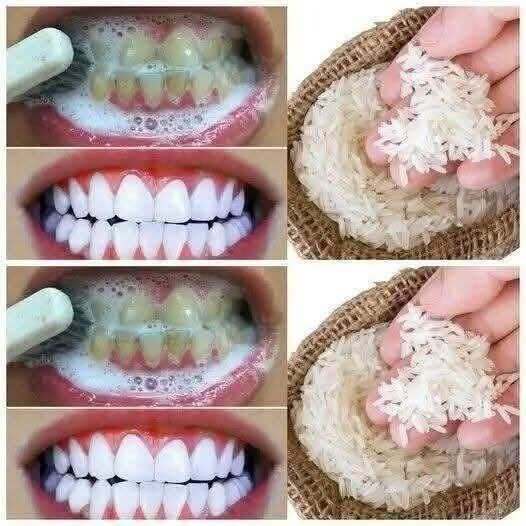
Rice flour teeth whitening has become a popular at-home beauty trend because it promises a brighter smile in very little time. Viral videos often present the method as a simple kitchen-based solution that can make teeth look whiter and smoother in just sixty seconds.
The mixture usually includes raw rice ground into a fine powder, lemon juice, olive oil, and a small amount of toothpaste. After combining the ingredients, users brush with the paste briefly before rinsing their mouths.
The appeal is easy to understand. The ingredients are inexpensive, easy to find, and often described as more natural than commercial whitening products.
However, the simple appearance of this method hides a more complicated dental reality. Teeth do not whiten in the same way that a countertop or dish can be scrubbed clean, and enamel reacts differently to acids and abrasives than many people realize.
Why Teeth May Look Brighter at First
The visible brightness that some people notice after using rice flour mixtures usually comes from surface polishing rather than real whitening. Rice flour acts as a mild abrasive, which means it can physically scrub away some stains from the outer surface of the teeth.
These surface stains may come from coffee, tea, wine, smoking, or daily buildup. When that layer is disturbed or removed, teeth can appear cleaner and slightly brighter, especially if they had visible discoloration before the treatment.
This kind of result is mostly cosmetic and temporary. It does not change the deeper color of the tooth, and it does not work the same way as controlled whitening treatments that target stain molecules below the surface.
Lemon juice adds another effect. Its citric acid can loosen certain surface stains and temporarily change the way enamel reflects light.
That temporary brightness can make the method seem more successful than it really is. The teeth may look whiter for a short time, but that appearance can fade once the enamel rehydrates and returns closer to its normal condition.
The Role of Each Ingredient
Rice flour is the ingredient most responsible for the scrubbing effect. Because it has a powdery texture, it can polish the tooth surface when brushed against enamel.
Used aggressively or repeatedly, even a mild abrasive can become a problem. The goal of removing stains can gradually turn into wearing down the protective surface of the teeth.
Lemon juice is the most concerning ingredient in the mixture. Its acidity can soften enamel and strip away minerals from the tooth surface.
Once enamel is softened by acid, brushing immediately afterward can increase the risk of wear. The combination of acid and friction is especially harsh because the enamel is more vulnerable at the exact moment the abrasive is being applied.
Olive oil contributes very little to whitening. It may provide some lubrication in the mixture and may have minimal antibacterial activity, but it does not meaningfully bleach or whiten teeth.
Toothpaste adds fluoride, which supports remineralization and helps protect enamel. However, the small amount used in these mixtures is not enough to cancel out repeated exposure to lemon juice and abrasion.
Why Enamel Damage Matters
Enamel is the hard outer layer that protects each tooth. It is extremely strong, but it is not indestructible.
One of the most important facts about enamel is that it does not regenerate. Once a meaningful amount of enamel is worn away, the body cannot simply grow it back.
This makes repeated acidic or abrasive whitening habits risky. Even if the damage happens slowly, the effects can build over time.
As enamel becomes thinner, the yellowish dentin underneath can become more visible. This can make teeth look darker in the long run, even if they looked briefly brighter at first.
That creates a frustrating cycle. A person may use the mixture to make teeth appear whiter, but repeated use may eventually expose more dentin and make the smile look less white.
The Problem With Acid and Abrasion Together
Acids and abrasives can each affect enamel in different ways. When they are combined, the risk becomes greater.
Lemon juice softens the enamel surface by exposing it to citric acid. Rice flour then scrubs against that softened surface during brushing.
This combination can accelerate enamel erosion. The teeth may not feel damaged immediately, but repeated use can weaken the protective layer.
Over time, weakened enamel can lead to sensitivity. Hot drinks, cold foods, sweets, and even brushing may begin to cause discomfort.
Thinner enamel can also increase the risk of cavities. A weaker surface gives bacteria more opportunity to affect the tooth.
Micro-cracks can also become a concern when enamel is repeatedly stressed. These tiny defects may create areas where bacteria can collect, making long-term oral health more difficult to maintain.
Why Temporary Brightness Can Be Misleading
Many people judge whitening methods by what they see immediately after rinsing. That can be misleading with acidic treatments.
Acid can dehydrate the enamel surface for a short time. This changes how light reflects from the teeth, which may create the appearance of a brighter smile.
Once the teeth absorb moisture again, that bright look may fade. In some cases, the teeth can appear duller afterward, especially if the surface has been weakened or roughened.
This temporary effect can encourage repeated use. A person may believe the treatment is working and continue applying it more often.
The more often the mixture is used, the more the enamel is exposed to acid and abrasion. The short-term shine can hide the slower process of enamel wear.
Why Brushing Right Away Can Increase Risk
Brushing immediately after applying lemon juice is one of the biggest concerns with this method. Acid exposure temporarily weakens the enamel surface.
When brushing happens during that weakened state, the friction can remove more of the softened layer than brushing alone would. The toothpaste in the mixture does not fully prevent this issue.
Fluoride can support enamel health, but it does not work instantly enough to undo the effect of direct acid exposure during the same brushing session. This is why adding toothpaste does not make the mixture automatically safe.
The danger is not always obvious after one use. The real concern is repeated exposure over days, weeks, or months.
Safer Ways to Support a Brighter Smile
Gentler approaches focus on preserving enamel while gradually improving tooth appearance. These methods are less dramatic than viral hacks, but they are safer for long-term oral health.
Oil pulling with coconut oil can help reduce oral bacteria and plaque buildup without exposing enamel to harsh acids. It does not bleach teeth, but it may support a cleaner mouth.
Baking soda can help lift surface stains when used sparingly. Because it does not rely on citrus acid, it is generally less concerning than lemon-based mixtures when used only once or twice a week.
Whitening toothpastes approved for safe use can also help manage surface stains. These products are designed to polish teeth within controlled limits rather than relying on random kitchen combinations.
Professional whitening treatments work differently from abrasive home mixtures. They use controlled peroxide compounds that break down stain molecules instead of simply scraping the enamel surface.
Daily habits also matter. Rinsing after staining drinks, eating crunchy vegetables, and maintaining steady oral hygiene can gradually improve how teeth look without putting enamel under unnecessary stress.
The Long-Term Choice for a Healthier Smile
A bright smile should not come at the expense of enamel health. The surface of the teeth plays a protective role that is far more important than a temporary cosmetic effect.
Rice flour whitening may create a short-lived visual change, especially when teeth have surface stains. However, that change comes mainly from polishing, acid exposure, and temporary dehydration rather than true whitening.
The long-term concern is that repeated use can thin enamel, increase sensitivity, expose yellowish dentin, and raise the risk of dental problems. Once enamel is lost, it cannot be naturally replaced.
Viral dental hacks often succeed because they are fast, cheap, and visually dramatic. Teeth, however, respond best to patience, consistency, and protection.
A confident smile is built on strong enamel, gentle cleaning, fluoride support, and realistic expectations. Choosing methods that protect the teeth can help maintain both brightness and dental health for years to come.