
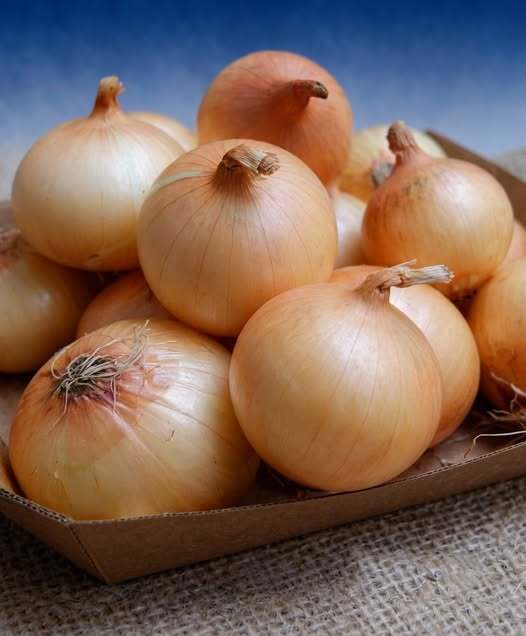
Why Onions Deserve a Regular Place in a Balanced Diet
A Simple Vegetable With Valuable Nutrients
Onions are commonly used to improve the taste and aroma of everyday meals, but their value extends well beyond the kitchen. Behind their ordinary appearance is a combination of nutrients and natural compounds that can support several important functions within the body.
When eaten regularly as part of a balanced diet, onions can contribute to long-term wellness without requiring major changes to daily eating habits. They can be added to salads, soups, sauces, cooked dishes, and many other meals, making them one of the easiest vegetables to include in a varied diet.
Their health-supporting qualities come from several components, including quercetin, sulfur compounds, vitamin C, and antioxidants. Together, these substances help protect cells, support the immune system, promote healthy circulation, and assist the body in responding to everyday physical stress.
Onions should not be viewed as a cure or a replacement for medical treatment. Their benefits are most meaningful when they are consumed alongside other nutritious foods and combined with healthy habits, appropriate medical care, and attention to individual dietary needs.
Antioxidants Help Protect the Body
Every day, the body is exposed to processes that create unstable molecules known as free radicals. When these molecules build up faster than the body can control them, they may contribute to oxidative stress and gradually affect healthy cells.
Onions contain antioxidants that help neutralize these unstable molecules. By supporting the body’s natural defenses, antioxidant-rich foods can reduce some of the internal strain associated with normal aging, environmental exposure, and everyday metabolic activity.
Quercetin is one of the best-known antioxidant compounds found in onions. It belongs to a group of natural plant substances called flavonoids and contributes to the vegetable’s protective qualities.
Vitamin C also plays an important role in antioxidant defense. In addition to supporting immune function, it helps protect cells and tissues from damage caused by oxidative stress.
The sulfur compounds responsible for part of an onion’s strong smell also contribute to its nutritional value. These compounds work alongside quercetin, vitamin C, and other antioxidants, giving onions a broader range of potential benefits than their simple appearance might suggest.
Possible Support Against Certain Cancer Risks
Regular onion consumption may help lower the risk of certain cancers, particularly those affecting the stomach and colon. This potential protective role is connected to the vegetable’s antioxidant content and its ability to help reduce cellular damage over time.
Oxidative stress can place pressure on cells and interfere with their normal condition. Foods containing protective plant compounds may help limit this strain by neutralizing free radicals before they can cause further harm.
Onions provide several of these compounds in one food. Quercetin, vitamin C, sulfur compounds, and other antioxidants work through related protective processes, helping the body maintain a healthier internal environment.
This does not mean that eating onions can completely prevent cancer. Cancer risk is influenced by many factors, and no single food can provide total protection.
However, including onions within a balanced diet can be a practical way to increase the intake of protective nutrients. Their affordability and versatility make them especially useful for people seeking simple dietary improvements that can be maintained over time.
Benefits for Heart and Blood Vessel Health
The heart and blood vessels depend on healthy circulation and controlled inflammation. Natural compounds in onions may support both of these areas, making the vegetable a useful addition to a heart-conscious eating pattern.
Onions may help blood vessels remain flexible. Flexible vessels can respond more effectively as blood moves through the body, supporting normal circulation and reducing unnecessary pressure on the cardiovascular system.
The vegetable’s antioxidant and sulfur compounds may also help manage inflammation. Persistent inflammation can place strain on tissues, including those involved in heart and blood vessel function.
By helping the body control oxidative stress and inflammatory activity, onions may contribute to a healthier environment for the cardiovascular system. These effects are most useful when onions are eaten as part of a varied diet rather than relied upon as a single solution.
Preparation also matters. Onions added to meals built around vegetables and other balanced ingredients can support healthy eating, while heavily processed meals do not automatically become beneficial simply because they contain onions.
The overall pattern of eating remains important. Onions can strengthen that pattern by providing flavor and nutrients without requiring excessive additions that may reduce the nutritional quality of a meal.
A Supportive Role in Blood Sugar Management
Onions may also be helpful for people trying to maintain steadier blood sugar levels. Their natural compounds can support glucose balance when they are included within a properly planned diet.
Blood sugar management depends on the complete combination of foods eaten throughout the day. Portions, meal timing, activity levels, existing health conditions, and prescribed treatment can all affect how glucose levels change.
For this reason, onions should be considered a supportive food rather than a treatment. They may contribute to a healthier dietary pattern, but they should not replace medication, professional guidance, or an eating plan created for a person’s specific needs.
Their flexibility makes them easy to combine with many meals. They can be used to add flavor without depending entirely on less nutritious ingredients, which may make balanced dishes more enjoyable and easier to maintain.
Anyone managing diabetes or another blood sugar-related condition should continue following medical recommendations. Dietary changes should be made carefully, especially when medication or other treatments are involved.
Potential Benefits for Bone Strength
Bone health becomes increasingly important with age. As bone density declines, the risk of weakness, fractures, and osteoporosis may increase, particularly among older adults.
Moderate onion consumption has been linked to improved bone density and a lower risk of osteoporosis. Although onions are not usually the first food associated with strong bones, their natural compounds may contribute to the body’s ability to maintain bone tissue.
This possible benefit is especially relevant because bone health depends on more than one nutrient or food. A balanced diet, regular movement, and attention to overall health all contribute to preserving strength and mobility.
Onions can form one small but useful part of that broader approach. Their ease of use allows them to be included regularly without requiring complicated recipes or major adjustments to familiar meals.
They should not replace other important parts of a bone-supporting diet. Instead, they can add variety and provide protective plant compounds that work alongside the nutrients obtained from other foods.
Immune System Support
The immune system protects the body from infections and helps it respond to minor illnesses. Onions contain vitamin C and flavonoids that assist these natural defense processes.
Vitamin C supports several functions involved in immune response. It also acts as an antioxidant, helping protect cells while the body deals with physical stress or exposure to harmful microorganisms.
Flavonoids such as quercetin provide additional support by helping control oxidative stress and inflammation. These actions can help the immune system function in a more balanced and effective way.
Eating onions does not guarantee that a person will avoid illness. Their role is to provide nutrients that contribute to the body’s normal protective systems.
Regular intake may be more useful than occasional large portions. Including a modest amount in everyday meals allows the body to receive these nutrients as part of a consistent and balanced eating pattern.
How Much Onion May Be Enough
More is not always better when it comes to nutritious foods. A moderate daily amount of onion can provide useful compounds without creating unnecessary digestive discomfort.
About 30 to 50 grams per day is generally enough to enjoy the potential benefits. This amount can be divided between meals or included in a single dish, depending on personal preference and tolerance.
Some people enjoy onions raw, while others find cooked onions easier to digest. Both forms can contribute to a varied diet, although the taste, texture, and intensity will differ.
Raw onions have a sharper flavor and may cause stronger reactions in people with sensitive digestive systems. Cooking softens their texture and taste, making them easier to include in larger meals.
The most practical approach is to use onions in a way that fits comfortably into normal eating habits. Consistency and moderation are more important than forcing large amounts into the diet.
Who Should Be Careful With Onion Consumption
Although onions are safe for many people, they may cause discomfort in individuals with certain sensitivities or health concerns. Digestive reactions can include irritation, bloating, or other unpleasant symptoms.
People with sensitive stomachs should pay attention to how they feel after eating onions, particularly when the vegetable is consumed raw. Smaller portions or cooked onions may be easier to tolerate.
Individuals with ulcers should also be cautious. Strong or irritating foods can sometimes worsen discomfort, and personal tolerance may vary considerably.
People experiencing eye inflammation may need to limit exposure or consumption if onions appear to increase irritation. Cutting onions can release compounds that affect the eyes, and some individuals may react more strongly than others.
Those with low blood pressure should use additional caution because onions may support circulation and blood vessel flexibility. Anyone concerned about possible effects on blood pressure should seek medical advice before making significant dietary changes.
Discomfort should not be ignored simply because onions are considered nutritious. A food can provide benefits for many people while still being unsuitable for someone with a particular condition or sensitivity.
A Small Addition With Long-Term Value
Onions demonstrate that useful nutrition does not always come from expensive, unusual, or difficult-to-find foods. A familiar vegetable can provide antioxidants, vitamin C, flavonoids, sulfur compounds, and other substances that support several areas of health.
Their potential benefits include protection against oxidative stress, support for heart and blood vessel function, assistance with blood sugar balance, stronger immune defenses, and possible contributions to bone density.
They may also help lower the risk of certain cancers affecting the stomach and colon when included as part of a healthy and balanced diet. These benefits should be understood as supportive rather than guaranteed.
A daily portion of approximately 30 to 50 grams is generally sufficient. People with stomach sensitivity, ulcers, eye inflammation, or low blood pressure should remain cautious and obtain medical guidance if symptoms or concerns arise.
Ultimately, onions are valuable because they combine nutrition, affordability, flavor, and convenience. Used in moderation, they can quietly strengthen everyday meals and contribute to a broader pattern of long-term health.