
The Meaning Behind Yellow Ladybugs and Why You Might See One in Your Garden
A Surprising Encounter in the Garden
Sometimes the smallest moments outdoors can spark unexpected curiosity. A quiet afternoon spent watering plants or tending a garden can suddenly become memorable when something unusual appears.
That moment often happens when a small insect lands nearby and catches your attention. At first glance it may seem familiar, but a closer look reveals something different.
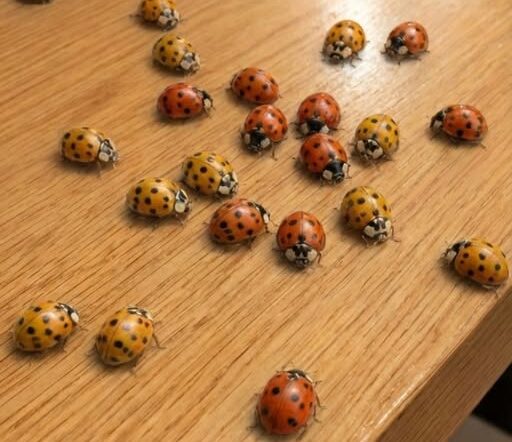
Many people experience this when they spot a yellow ladybug for the first time. The insect looks almost identical to the well-known red ladybugs, yet its bright yellow color feels surprising.
This unusual color can lead to several questions. Is it really a ladybug, or is it a completely different insect? And if it is a ladybug, why does it look so different from the classic red ones most people recognize?
Yellow Ladybugs Are Real
Despite the surprise many people feel when they first see one, yellow ladybugs are completely real. They belong to the same family of insects as the familiar red-and-black spotted ladybugs.
In fact, ladybugs are far more diverse than most people realize. Scientists have identified more than 5,000 species of ladybugs across the world.
These species vary widely in color and pattern. While red with black spots is the most recognizable appearance, ladybugs can also be orange, yellow, or even entirely black.
The yellow varieties may be less commonly noticed, but they are just as natural and important within the ladybug family.
Different Colors, Different Diets
One fascinating detail about ladybugs is that their diet can vary depending on the species. Many people know ladybugs as helpful insects that eat aphids, small pests that damage plants.
Red ladybugs are especially known for this behavior. Gardeners often welcome them because they help control aphid populations naturally.
Some yellow ladybug species, however, have a slightly different diet. Instead of focusing on aphids, they may feed primarily on fungi such as mildew.
This means they can still be beneficial for plants, but they help in a different way. By feeding on mildew, they assist in keeping plant surfaces cleaner and healthier.
So when a yellow ladybug appears in a garden, it may quietly be performing its own helpful role.
Symbolism and Cultural Meaning
Beyond their ecological role, ladybugs have long been associated with positive symbolism in many cultures. For centuries, people have considered these small insects to be signs of good luck.
The appearance of a ladybug landing nearby has often been interpreted as a pleasant omen or a symbol of protection.
Yellow ladybugs carry similar associations, but some interpretations add additional meaning connected to their bright color.
Because yellow is often linked with sunshine, happiness, and warmth, many people see the appearance of a yellow ladybug as a particularly cheerful sign.
A Sign of Good Fortune
Just like their red counterparts, yellow ladybugs are commonly viewed as symbols of good fortune. Some traditions suggest that spotting one may signal positive changes ahead.
This could represent a new opportunity, encouraging news, or a welcome change in circumstances.
Whether taken seriously or simply enjoyed as a pleasant idea, the symbolism surrounding ladybugs often brings a smile to those who encounter them.
Even for those who do not place much importance on symbolism, the sight of a bright yellow ladybug can still feel like a small moment of good luck.
Associations With Happiness and Energy
The color yellow is widely associated with positivity. It is often linked with warmth, joy, and creative energy.
Because of this connection, some people interpret the appearance of a yellow ladybug as a reminder to focus on the brighter aspects of life.
Seeing one may serve as a small moment of pause in a busy day, encouraging someone to appreciate the simple beauty around them.
Nature often provides these quiet reminders, and even a tiny insect can create a moment of reflection.
A Symbol of New Beginnings
Another interpretation sometimes linked to yellow ladybugs relates to new beginnings. The color yellow is commonly associated with sunlight and the start of a new day.
Because of this symbolism, some people believe that encountering a yellow ladybug represents the beginning of a new chapter.
This could involve starting a new project, making a personal change, or entering a different stage of life.
Whether or not someone believes in symbolic meanings, the idea of fresh starts and positive change is always an encouraging thought.
The Science Behind Their Bright Color
The yellow color of certain ladybugs is not just visually appealing. It also plays an important role in their survival.
Bright colors in many insects act as warning signals to predators. Birds and other animals learn to associate vivid colors with unpleasant taste or defensive chemicals.
Ladybugs use this strategy as a form of protection. Their bright colors signal to predators that they are not an ideal meal.
If threatened, ladybugs can release a strong-smelling liquid from their legs. This defense mechanism makes them far less appealing to potential predators.
Over time, predators learn to avoid insects with these distinctive warning colors.
Nature’s Warning System
The bold colors seen in ladybugs—whether red, orange, or yellow—are examples of a natural warning system known as aposematism.
This biological strategy allows animals to advertise that they possess some form of defense.
In the case of ladybugs, the defense is their unpleasant taste and protective chemicals. Their bright color helps communicate that message before a predator attempts to eat them.
In simple terms, the yellow color can be understood as a visual signal that says the insect is not worth the trouble.
This clever adaptation helps increase the chances of survival for these tiny creatures.
Are Yellow Ladybugs Dangerous?
For anyone who encounters a yellow ladybug, there is usually no reason for concern. These insects are generally harmless to people.
In many situations, they are actually helpful because they contribute to the balance of the garden ecosystem.
By feeding on fungi such as mildew, certain yellow species assist in controlling plant problems that can otherwise spread.
This makes them quiet allies for gardeners who prefer natural methods of maintaining plant health.
A Possible Look-Alike
Although true yellow ladybugs are harmless, it is possible to confuse them with another insect that looks somewhat similar.
The yellow Asian lady beetle shares a comparable color and shape. During cooler months, these beetles sometimes seek shelter inside homes.
While they are not dangerous, they can become a nuisance if large numbers gather indoors. They may also release an unpleasant odor when disturbed.
In outdoor settings, however, most yellow ladybugs seen in gardens are simply part of the natural insect community.
Enjoying a Rare Little Visitor
Compared to the classic red variety, yellow ladybugs tend to attract attention because they appear less frequently in everyday encounters.
This rarity can make spotting one feel like a special moment.
If a yellow ladybug lands nearby, the best response is often the simplest one. Take a moment to observe it and appreciate the small piece of nature it represents.
These tiny insects quietly contribute to the health of gardens and ecosystems while adding a touch of color to the natural world.
A Small Reminder From Nature
Encounters with small creatures often remind people to slow down and notice the details around them.
A bright yellow ladybug resting on a leaf or landing on an arm can turn an ordinary afternoon into a moment of curiosity.
Whether viewed as a helpful garden insect, a symbol of good luck, or simply an interesting discovery, the yellow ladybug remains a fascinating part of nature.
Sometimes the smallest creatures carry the most memorable surprises.