
White Lumps in Spam: What They Really Mean and When You Should Be Concerned
“What’s Inside Spam, Anyway?”
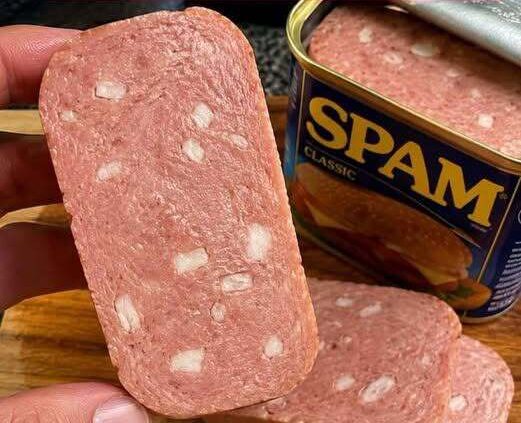
Opening a can of luncheon meat should be simple, especially when the plan is a fast meal with very little preparation. But when unexpected white bits appear inside the meat, it can quickly turn an ordinary lunch into a moment of doubt.
That reaction is understandable. Most people expect canned meat to look smooth, pink, and uniform. When pale lumps or specks show up throughout the block, the first concern is often whether the product has spoiled or developed mold.
In most normal cases, those white pieces are not mold at all. They are usually solidified pork fat, a natural part of the meat mixture that becomes more noticeable depending on temperature and storage conditions.
Understanding what Spam contains makes the explanation much easier. Spam is a pre-cooked canned meat product made from a short list of basic ingredients, including pork and ham, salt, water, modified potato starch, sugar, and sodium nitrite.
The pork and ham provide the main savory base. Salt adds flavor while also helping preserve the product. Water keeps the mixture moist during processing, while modified potato starch helps bind the meat together and maintain its familiar texture.
Sugar is added in a small amount to balance the salty flavor. Sodium nitrite is used as a preservative and also helps maintain the product’s classic pink color.
There are no hidden mystery pieces intentionally placed inside the can. Like many processed meats, Spam naturally contains pork fat because fat is part of the meat used to make it.
That fat is not simply a filler. It plays an important role in the finished product. It helps keep the meat moist, improves texture, contributes flavor, and makes the slices hold together better when cut or cooked.
Without enough fat, the meat would likely become drier, more crumbly, and less satisfying. The smooth, sliceable consistency people associate with Spam depends partly on that natural fat content.
“So… What Are Those White Lumps?”
The pale specks seen inside a can of Spam are almost always solidified pork fat. In some cases, there may also be tiny pieces of connective tissue mixed with the fat, which can also be normal in processed meat products.
This same kind of appearance can be found in sausages, deli meats, and other prepared meat products. Small white pieces may stand out more clearly because the surrounding meat is pink.
The reason this happens is simple. Pork fat turns white or off-white when it is cold and firm. If the can has been stored in a cool place or placed in the refrigerator, the fat becomes firmer and more visible.
At room temperature, that fat softens. When heated in a skillet or oven, it melts and blends into the meat. That change is one of the clearest signs that the white pieces are fat rather than contamination.
Another important detail is how the white bits are distributed. In a normal can, they are usually spread throughout the meat rather than appearing only on the surface or in one suspicious patch.
That even distribution happens because the meat, fat, seasonings, starch, water, and preservatives are blended together before the product is sealed and cooked inside the can. The fat becomes part of the whole mixture.
Mold behaves very differently. Mold usually grows on exposed surfaces and appears in isolated patches. It does not normally appear evenly mixed throughout a sealed, heat-processed block of canned meat.
Because Spam is sealed airtight and cooked inside the can, mold growth inside an intact container is very uncommon. A serious problem is more likely when the can has been damaged, swollen, leaking, or improperly sealed.
“Fat vs. Mold: How to Tell the Difference”
It is reasonable to pause when food looks different from what you expected. However, telling normal fat apart from actual spoilage is usually straightforward when you know what signs to check.
Normal fat is usually smooth, firm, and blended into the texture of the meat. It may look white, cream-colored, or slightly pale compared with the surrounding pink meat.
It also tends to appear throughout the product in a fairly even pattern. When touched with a fork or knife, it should feel like part of the meat rather than like something growing on top of it.
The smell is another key clue. Normal Spam should have its familiar salty, meaty aroma. If the only unusual feature is smooth white specks and the smell is normal, the product is generally not showing signs of mold.
Mold, on the other hand, often looks fuzzy, powdery, slimy, or patchy. It may appear blue, green, gray, black, or another unusual color that clearly stands apart from the meat.
Mold is also more likely to appear on the surface or in one concentrated area. It does not usually look like small, smooth fat pieces evenly scattered through the product.
Odor matters as well. If the meat smells sour, rancid, rotten, or sharply unpleasant after opening, that is a warning sign. A bad smell should never be ignored.
Texture can also reveal trouble. If the meat feels unusually slimy, sticky, or wet in a way that does not seem normal, it is safer not to eat it.
“When to Discard Spam: Trust Your Senses”
White fat specks by themselves are not usually a reason to throw away Spam. Still, there are certain warning signs that should always be taken seriously.
A swollen, bulging, or warped can is a major red flag. That kind of pressure can indicate gas buildup inside the container, which may point to bacterial activity.
Any leaking liquid before the can is opened is also a serious warning. A sealed canned product should not leak, and leakage means the container may no longer be safe.
Deep rust, severe dents, or damage near the seams should also raise concern. The safety of canned food depends heavily on the integrity of the metal container and its airtight seal.
After opening the can, smell the product before eating or cooking it. If the odor seems sour, rancid, or clearly different from normal Spam, discard it.
Unusual discoloration is another reason to avoid eating the product. Gray, green, black, or visibly spoiled patches should not be treated as harmless fat.
The same applies to a slimy or abnormal texture. Normal canned meat may be moist, but it should not feel spoiled, slick, or unpleasant.
A practical way to judge the situation is to consider the whole picture. If the can is intact, the smell is normal, the meat color looks typical, and the white bits are smooth and evenly mixed, they are most likely harmless fat.
When the packaging looks damaged or the product smells wrong, the safer choice is to throw it away. Appearance alone can be misleading, but damaged packaging and bad odor are stronger safety signals.
“What Happens When You Cook It?”
Cooking often provides the most reassuring explanation for the white spots. When Spam is cold, the fat remains firm and pale. Once heat is applied, that fat begins to melt.
As slices cook in a skillet, the firm white bits soften and render into the surrounding meat. This helps create the familiar juicy center and browned, crisp edges many people enjoy.
The melting fat also adds flavor. It is part of the reason fried Spam develops a richer taste and a more satisfying texture than it has straight from the can.
Instead of remaining as hard white lumps, the fat transforms under heat. It becomes liquid, blends into the meat, and supports the browning process on the outside of each slice.
This is not a sign of contamination. It is a normal cooking reaction. The fat is doing what fat naturally does when heated.
For anyone who felt worried after seeing white specks, watching them melt during cooking can be a simple form of reassurance. Mold would not behave like smooth pork fat melting into the meat.
“Final Thought: Confidence Over Concern”
Seeing white lumps in Spam can be surprising, especially if you are expecting a perfectly uniform block of meat. But in nearly all ordinary situations, those pale pieces are simply solidified pork fat.
That fat is part of what gives the product its moisture, flavor, and texture. It becomes more visible when cold and less noticeable once cooked.
Before deciding whether to eat it, check the can carefully. Look for swelling, leaks, deep rust, major dents, or damage around the seams.
Then smell the product after opening it. If it smells normal and the meat looks typical aside from smooth white specks, there is usually no reason to panic.
Finally, examine the texture and color of the white pieces. Smooth, creamy, integrated bits are consistent with fat. Fuzzy, slimy, dark, green, gray, or isolated patches are not.
Food does not always look perfectly uniform, especially when it contains natural meat fat. A visual surprise does not automatically mean something is unsafe.
The key is knowing the difference between normal ingredients and real spoilage signs. Once you understand that distinction, those white specks become much less alarming.
If the can is sound, the smell is normal, and the white bits appear smooth and evenly distributed, the product can be sliced, fried, and enjoyed with confidence.
The white pieces are not a defect in most cases. They are simply part of the meat’s natural fat content, and they help make Spam taste and cook the way people expect.