
Wheel of Fortune Bonus Round Sparks Viewer Backlash After Valentine’s Day Puzzle
A Bonus Round That Turned Celebration Into Controversy
A Valentine’s Day episode of Wheel of Fortune was expected to deliver the familiar mix of excitement, suspense, and a final chance at a major prize. Instead, one bonus round became the center of a heated reaction from viewers who felt the show had pushed its puzzle format too far.
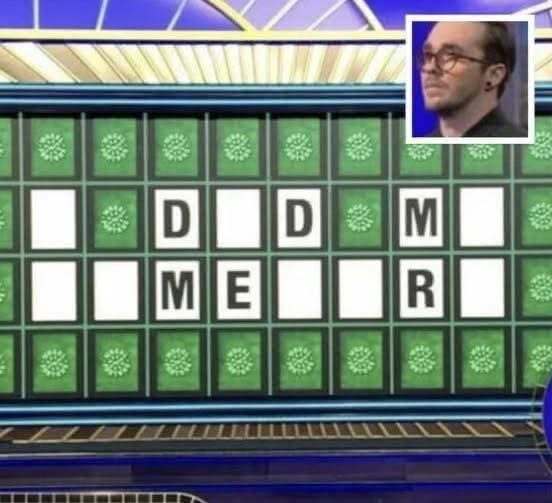
The moment involved contestant Conner Kemmsies, a commercial pilot who had reached the bonus round with his family cheering him on from the audience. What should have been a joyful finish quickly turned into a disappointing ending when he failed to solve the final puzzle.
The answer was “I DID MY HOMEWORK”. For many fans watching at home, that phrase became the problem. The reaction was not only about Conner losing the prize, but also about whether the puzzle itself felt fair within the category.
Conner Kemmsies Faced A Difficult Final Challenge
Conner had made it to the bonus round, placing him one solve away from a major cash prize. As the final seconds ticked down, the pressure of the studio, the audience, and the limited clues all came together in the way longtime viewers know well.
In the end, he was unable to identify the puzzle before time ran out. The missed answer cost him $40,000, turning a hopeful final round into a frustrating loss.
The disappointment was clear because the stakes were so high. Conner was not simply playing for pride or a small bonus. He had reached the part of the game where one correct answer could have changed the entire ending of his episode.
His family’s presence in the audience added to the emotional weight of the moment. They had watched him compete, advance, and come within reach of a significant prize, only to see the opportunity disappear on a puzzle that many viewers later questioned.
Why The Puzzle Drew So Much Criticism
The main issue for fans was not that Conner lost. Wheel of Fortune contestants lose bonus rounds all the time, and missed solves are part of the game’s long-running appeal.
The frustration came from the answer itself. Viewers argued that “I DID MY HOMEWORK” did not feel like a strong or familiar phrase in the way bonus round puzzles often do.
The category was “Phrase”, which usually leads audiences to expect a common expression, recognizable wording, or a sentence that feels natural enough to guess under pressure. This answer, however, struck some fans as too ordinary and too specific.
To critics, it sounded less like a familiar phrase and more like a plain statement someone might write in a school notebook. That distinction mattered because the bonus round gives contestants only a brief window to think, test possibilities, and commit to an answer.
When a puzzle feels familiar, even a difficult one can seem fair. When it feels random, viewers may question whether the contestant was given a real chance.
The Pressure Of The Bonus Round
The Wheel of Fortune bonus round is designed to be tense. A contestant stands alone, works with limited letters, and has only seconds to solve the puzzle.
That pressure can make even simple answers difficult to find. A phrase that appears obvious after the reveal can feel impossible in the moment, especially when the contestant is trying to connect scattered letters with a broad category.
Conner’s loss showed how unforgiving that format can be. Once the countdown begins, there is little room for hesitation, second-guessing, or a slow mental search through possible answers.
For viewers at home, it is easy to replay the board and wonder why the answer did not come sooner. For the contestant standing under studio lights, the same puzzle can feel completely different.
Still, many fans felt this case went beyond normal pressure. Their concern was that the answer itself may have been too vague for the category, creating a challenge that depended less on wordplay and more on guessing a sentence with limited context.
Social Media Reaction Grew Quickly
After the episode aired, the bonus round became a major talking point among Wheel of Fortune fans. Viewers reacted strongly to both the puzzle and the lost prize.
Some argued that the show had stretched the “Phrase” category too far. Others felt Conner had been placed in a nearly impossible position because the answer lacked the recognizable quality they expect from that category.
The criticism was fueled by the emotional contrast of the episode. It was a Valentine’s Day broadcast, a setting many viewers likely associated with warmth, celebration, and feel-good television.
Instead, the final moments left many people frustrated. A contestant with a likable presence, a cheering family, and a chance at $40,000 walked away without the bonus because of an answer that did not sit well with part of the audience.
That combination made the backlash sharper. The episode did not end with the usual disappointment of a difficult game. It ended with viewers questioning whether the game itself had been fair.
The $40,000 Prize Added Another Layer
The lost amount also became part of the discussion. The bonus wheel landed on $40,000, which is the minimum bonus round cash prize.
For Conner, that was still a major amount of money. Losing it was significant, especially after reaching the final stage of the show.
For some longtime fans, however, the amount raised a separate concern. Viewers have noticed bonus rounds where the wheel appears to land on the $40,000 space repeatedly, leading to complaints that the final prize outcome can feel predictable.
The concern was not only about one episode. It was about the impression that the bonus wheel’s suspense may be weakening if viewers believe the same result keeps appearing too often.
Wheel of Fortune has always depended on the feeling that anything can happen. The bonus wheel is part of that drama, because contestants and audiences wait to see whether the prize will be a standard cash amount or something larger.
When fans begin to feel that the outcome is repetitive, the final reveal can lose part of its excitement. In this case, that concern combined with frustration over the puzzle itself.
Fans Questioned The Show’s Sense Of Fair Play
The reaction after Conner’s loss centered on a larger question: what makes a Wheel of Fortune puzzle fair?
A hard puzzle is not automatically unfair. The show has always included tricky answers, unexpected wording, and moments where contestants miss something viewers later recognize.
But many fans believe the challenge should still feel grounded in a clear category. If the answer belongs to “Phrase”, they expect it to have a familiar rhythm or common use that gives the contestant a reasonable path toward solving it.
The debate over “I DID MY HOMEWORK” reflected that expectation. Some viewers saw it as a normal sentence, but not necessarily a phrase in the traditional game-show sense.
That difference may seem small, but in a bonus round, every clue matters. The category is one of the few tools a contestant has, so if the category feels too broad, the entire puzzle can feel more like luck than skill.
A Familiar Show Facing Modern Viewer Scrutiny
Wheel of Fortune has remained popular for decades because its format is simple, fast, and easy to follow. Viewers understand the rules, recognize the rhythm, and enjoy solving along from home.
That familiarity is also why fans react strongly when something feels off. A puzzle that might seem minor in another setting can become a major topic when it appears to challenge what audiences believe the show should be.
Longtime viewers have built expectations around categories, prize reveals, and bonus round difficulty. When those expectations are disrupted, the reaction can be immediate and intense.
The Valentine’s Day episode showed how quickly a single final puzzle can shift the conversation. Instead of focusing on Conner’s overall game, many fans focused on whether the show’s puzzle choices are becoming less satisfying.
That type of criticism does not necessarily mean viewers are abandoning the program. It does show, however, that the audience is paying close attention to the details.
Manufactured Drama Or Normal Game Show Tension?
Some fans worried that the show may be drifting toward manufactured drama. Their concern was that unusual puzzle wording and repeated prize outcomes can make the bonus round feel less natural.
Game shows rely on tension, but that tension works best when viewers believe the contestant has a fair chance. If the audience begins to feel that the challenge is built to frustrate rather than test, the mood changes.
In Conner’s case, the emotional reaction came from the sense that he was close to winning but was blocked by wording that many people did not consider intuitive.
The moment also highlighted the balance Wheel of Fortune must maintain. The show needs puzzles that are challenging enough to be exciting, but not so unusual that viewers feel disconnected from the answer.
When that balance works, a missed solve can still feel dramatic and fair. When it fails, the audience may see the loss as avoidable or unnecessary.
Why The Episode Continued To Resonate
The controversy lasted because it touched several parts of the Wheel of Fortune experience at once. It involved a sympathetic contestant, a major prize, a questioned category, and a bonus wheel outcome that some fans already viewed with suspicion.
Any one of those elements could have sparked discussion. Together, they created a larger debate about the direction of the show.
For Conner Kemmsies, the result was straightforward: he missed the puzzle and lost the $40,000 bonus. For the audience, the moment became more complicated.
Viewers were not only reacting to a single incorrect answer. They were reacting to what they felt the answer represented: a possible shift away from the classic puzzle style that made the show feel accessible and fun.
That is why the phrase continued to circulate after the episode. It became a symbol of a broader frustration among fans who want the game to remain challenging without feeling arbitrary.
A Disappointing Ending To A High-Stakes Moment
The Valentine’s Day episode could have ended with applause, celebration, and a contestant walking away with an additional $40,000. Instead, it ended with confusion and debate.
Conner’s missed solve became one of those Wheel of Fortune moments that viewers replay, analyze, and argue about long after the credits roll.
For some, it was simply a tough break under pressure. For others, it was evidence that the show needs to be more careful with how it assigns phrases and structures bonus round puzzles.
The reaction shows how invested Wheel of Fortune fans remain in the show’s fairness and tradition. They want suspense, but they also want the final challenge to feel earned.
Whether the controversy fades quickly or becomes part of a larger discussion, the episode left a clear impression. One ordinary-looking sentence was enough to turn a routine bonus round into a flashpoint for loyal viewers.
In the end, the debate was about more than a missed answer. It was about trust in a format that generations of fans have followed, solved, and celebrated from their living rooms.