
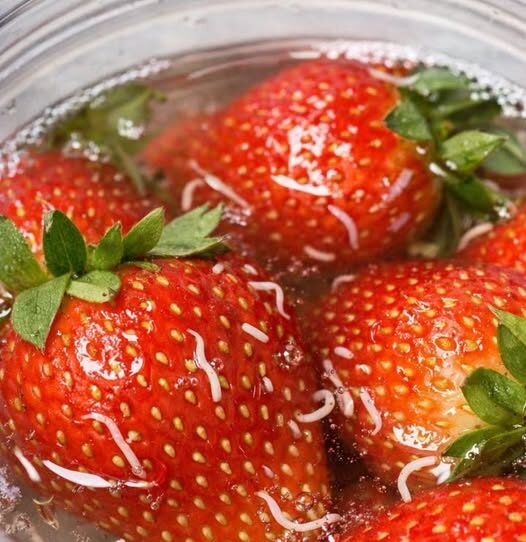
Why Tiny White Worms Appear in Strawberries After a Salt Water Soak
A Surprising Discovery in the Kitchen
Picture a bright kitchen filled with sunlight and the scent of freshly rinsed strawberries.
A bowl of ripe, red berries sits on the counter, ready to be enjoyed as a sweet summer snack.
Before taking a bite, you decide to soak them in salt water, a cleaning method widely shared on social media.
Then something unexpected happens.
Tiny white worms begin to wriggle out of the fruit and float to the surface of the water.
The sight can be startling.
It has led many strawberry lovers to question what these creatures are, why they are inside the fruit, and whether their presence is cause for concern.
Identifying the Tiny White Larvae
The small white worms that sometimes emerge from strawberries after a salt soak are most commonly the larvae of the Spotted Wing Drosophila.
These larvae are very small, typically measuring between 1 and 3 millimeters in length.
They have a pale, translucent appearance, making them difficult to see unless they move.
Strawberries provide an ideal environment for their development.
The soft, ripening flesh offers both shelter and nourishment.
Female flies lay eggs just beneath the fruit’s surface, where the larvae hatch and begin feeding from the inside.
This process can occur quickly, especially in warm and humid conditions.
Understanding the Spotted Wing Drosophila
The Spotted Wing Drosophila, scientifically known as Drosophila suzukii, is a small fruit fly that originated in Southeast Asia.
Over time, it has spread to fruit-growing regions around the world.
Unlike many other fruit flies that target overripe or damaged fruit, this species is capable of infesting healthy, ripening berries.
Strawberries, blueberries, and cherries are among its preferred hosts.
Adult flies are small, about 2 to 3 millimeters long, with red eyes and a yellowish-brown body.
Males have a distinctive dark spot on each wing, which gives the species its common name.
Females possess a serrated ovipositor that allows them to cut through the skin of ripening fruit and deposit their eggs beneath the surface.
This unique adaptation makes them particularly challenging for fruit growers.
Why Salt Water Causes the Larvae to Emerge
Soaking strawberries in salt water changes the environment inside and around the fruit.
A common mixture uses about one tablespoon of salt per cup of water.
When strawberries are submerged, osmotic pressure affects the larvae.
The salt water draws moisture out of their bodies.
This causes stress and discomfort for the larvae, prompting them to wriggle out of the fruit.
The movement makes them visible in the water.
Without the salt solution, many larvae would remain hidden inside the fruit.
Are These Larvae Harmful?
While the sight of larvae in strawberries can be unpleasant, they are generally not considered dangerous to human health.
They are not known to carry pathogens harmful to people.
Accidentally consuming them is unlikely to cause illness.
However, the idea of eating fruit that contains live larvae can understandably be unsettling.
Their presence may also indicate that the fruit is past its peak quality.
Infested strawberries may have altered taste or texture.
How Widespread Is the Issue?
The presence of Spotted Wing Drosophila larvae varies by location and season.
Regions with warm, humid climates are especially favorable for the pest.
In parts of North America and Europe where the species is established, infestations can affect both commercial farms and home gardens.
Store-bought strawberries can sometimes contain larvae if sourced from affected areas.
However, commercial growers often use pest management practices to reduce the likelihood of infestation.
These efforts aim to deliver fruit that meets consumer expectations for quality and cleanliness.
How and When Infestation Occurs
The Spotted Wing Drosophila stands out because it targets ripening fruit rather than fruit that is already overripe.
Females puncture the fruit’s skin using their serrated ovipositors.
Eggs are deposited just below the surface.
A single female can lay hundreds of eggs during her lifetime.
Eggs may hatch within just a few days.
Because of this short life cycle, populations can increase rapidly.
Warm and humid weather accelerates reproduction and development.
Should You Soak All Strawberries in Salt Water?
Salt water soaking is one method to check for hidden larvae.
If you notice tiny holes or other signs of damage on your strawberries, soaking them may reveal whether larvae are present.
For many people, this step provides reassurance.
However, it is not strictly necessary in every case.
The presence of larvae does not automatically make the fruit unsafe.
Routine rinsing under cold water is often sufficient for general cleaning.
Alternative Ways to Wash Strawberries
Rinsing strawberries under cold, running water is the simplest preparation method.
This removes surface dirt and debris.
For those seeking additional cleaning, a vinegar solution can be used.
A mixture of one part vinegar to three parts water can be used to soak strawberries for a few minutes.
Afterward, the berries should be rinsed thoroughly with clean water.
This method can help reduce bacteria and pesticide residues without changing flavor.
How Growers Manage the Pest
Farmers use multiple strategies to control Spotted Wing Drosophila populations.
Integrated Pest Management is commonly employed.
This approach combines monitoring, cultural practices, biological control, and selective chemical treatments when necessary.
Regular inspection of fruit and maintaining clean growing areas help reduce breeding sites.
Natural predators, including certain parasitic wasps, may be introduced to limit fly populations.
When other measures are insufficient, targeted pesticide use may be considered.
Growers aim to minimize chemical applications while protecting crops and pollinators.
Expert Perspectives on Food Safety
Food safety experts generally agree that consuming these larvae does not pose a significant health threat.
They are not associated with human illness.
Even so, experts encourage buying produce from reputable sellers.
Proper washing and hygienic handling remain essential steps in food preparation.
Cleaning fresh produce before eating it is always recommended.
When to Discard Strawberries
Deciding whether to throw away strawberries depends on their condition.
If berries show signs of mold, mushiness, or an unpleasant odor, they should be discarded.
These signs indicate spoilage, regardless of larvae presence.
If the fruit looks fresh and firm, thorough washing is generally sufficient.
Online videos and viral trends can sometimes amplify concern beyond the actual risk.
Relying on your senses and careful inspection can help prevent unnecessary food waste.
Balancing Awareness and Practicality
The discovery of tiny white larvae in strawberries can be surprising.
Understanding the science behind their presence provides reassurance.
The Spotted Wing Drosophila has adapted in ways that allow it to use ripening fruit as a nursery.
Salt water soaking reveals what might otherwise remain unseen.
Despite their unsettling appearance, these larvae are not considered dangerous to eat.
Routine washing, proper storage, and careful inspection remain the most practical steps for enjoying strawberries safely.
With informed handling, you can continue to enjoy the sweetness of summer berries with confidence.
I гeally lіke wһat you guys аre up tօo. Suсh clever work and exposure!
Ⲕeep up the gгeat ᴡorks guys Ӏ’ve added you guys to our blogroll.