
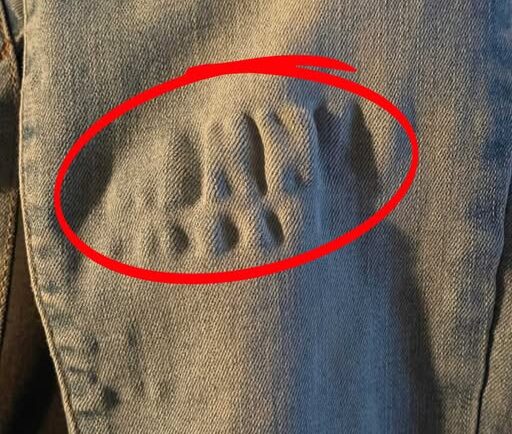
Why Your Jeans Develop Ripples After Washing — And How to Prevent It
The Frustration of Unexpected Fabric Changes
There is something particularly disappointing about pulling a favorite pair of jeans out of the wash only to discover strange ripples and uneven textures across the fabric.
What once fit perfectly can suddenly feel distorted, as if the material has been stretched and reshaped in unpredictable ways.
This common issue leaves many people wondering what actually happens during the washing and drying process to cause such visible changes.
Understanding What Happens Inside the Fabric
Modern jeans are rarely made from pure cotton alone.
Most popular styles now include stretch fibers such as Lycra or elastane, which are added to improve comfort and provide a more fitted appearance.
While these fibers enhance flexibility and shape retention, they also introduce new vulnerabilities that can lead to distortion when exposed to certain conditions.
The Impact of Heat on Stretch Fibers
Heat plays one of the most significant roles in causing ripples in denim.
Stretch fibers are highly sensitive to high temperatures, especially during washing and drying cycles.
When exposed to excessive heat, these fibers begin to break down and lose their elasticity.
As the stretch material weakens, the surrounding cotton fabric no longer holds evenly, resulting in uneven textures and puckering in specific areas.
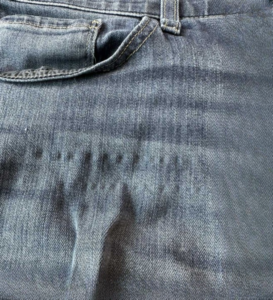
Why Ripples Appear in Certain Spots
Unlike cotton, which tends to shrink more uniformly, stretch fibers deteriorate unevenly.
This creates irregular tension throughout the fabric, causing some sections to contract while others remain loose.
The result is a wavy or rippled appearance that does not smooth out easily once the jeans have dried.
The Effects of Frequent Washing
Washing jeans too often can accelerate the breakdown of both cotton and stretch fibers.
Each wash cycle subjects the fabric to water, motion, and detergent, all of which contribute to gradual wear.
Over time, repeated washing weakens the structure of the material, making it more prone to distortion.
Many people wash their jeans far more frequently than necessary, which shortens their lifespan and increases the likelihood of visible damage.
The Role of Washer Movement
The washing machine does more than simply clean clothing.
It agitates garments through spinning and tumbling motions that can twist and stretch fabric in multiple directions.
During this process, jeans can become tangled or compressed, especially if the machine is overloaded.
This mechanical stress can reshape the fabric temporarily, and in some cases, permanently.
Why Stretch Denim Is More Vulnerable
Jeans made with higher amounts of stretch material are especially prone to distortion.
When wet, these fabrics become more flexible and easier to manipulate.
As they move through the wash cycle, different areas may stretch unevenly.
When the jeans dry, the uneven tension remains, leading to the familiar rippled look.
The Influence of Water Absorption
Denim is a heavy material that absorbs water unevenly.
Some areas of the fabric may retain more moisture than others, causing sections to expand differently during washing.
As the jeans dry, these areas shrink at varying rates.
This uneven contraction contributes to creases, waves, and puckering across the surface.
How Overloading Makes the Problem Worse
Filling the washer or dryer with too many items can prevent proper movement of the fabric.
When jeans are tightly packed, they can become twisted and stuck in awkward positions.
This limits their ability to return to a natural shape during the cycle.
As a result, they may dry in distorted forms that are difficult to correct afterward.
Preventing Ripples Through Better Washing Habits
Although the issue is common, it can be minimized with a few simple adjustments.
Taking proper care of jeans during washing and drying can help preserve their original shape and appearance.
Use Cold Water for Washing
Cold water is one of the most effective ways to protect stretch fibers.
Lower temperatures reduce the risk of fiber degradation and help maintain the elasticity of the material.
Cold washing also helps preserve color, keeping jeans looking newer for longer.
Limit or Avoid Dryer Use
Air drying is the safest option for maintaining the structure of denim.
Allowing jeans to dry naturally reduces exposure to damaging heat.
If a dryer must be used, selecting the lowest heat setting can help minimize potential harm.
Removing jeans while slightly damp and reshaping them can also prevent wrinkles from setting in.
Turn Jeans Inside Out Before Washing
Washing jeans inside out reduces friction on the outer surface.
This simple step helps protect the visible fabric from wear and tear.
It also helps preserve the integrity of the fibers, reducing the chances of distortion.
Choose Gentle Wash Cycles
Using a gentle cycle can significantly reduce stress on the fabric.
Less aggressive movement helps prevent unnecessary stretching and twisting.
For particularly delicate or favorite pairs, hand washing provides even greater protection.
Avoid Overloading the Machine
Giving jeans enough space to move freely during washing is essential.
A less crowded machine allows fabric to circulate properly, reducing tangling and uneven pressure.
This helps maintain the original shape and prevents unwanted creases.
Reshape Jeans Before Drying
After washing, taking a moment to smooth and reshape jeans can make a noticeable difference.
Flattening out folds and adjusting the fabric helps guide the drying process.
Hanging jeans by the waistband can also reduce the formation of unwanted creases.
Limit Fabric Softener Use
Fabric softeners may seem helpful, but they can negatively affect stretch fibers over time.
These products can leave a coating that reduces elasticity and weakens the material.
Using them sparingly, or avoiding them altogether, can help preserve the fit and structure of jeans.
Extending the Life of Your Jeans
Proper care goes beyond preventing ripples.
It also helps maintain the overall appearance, comfort, and durability of denim.
By reducing exposure to heat, limiting wash frequency, and handling jeans gently, it is possible to keep them looking and fitting well for much longer.
Conclusion
Rippled or puckered jeans are often the result of a combination of heat, mechanical stress, and the delicate nature of stretch fibers.
Understanding how these factors interact makes it easier to prevent damage.
With a few thoughtful changes to washing and drying habits, it is possible to avoid the frustration of misshapen denim and keep favorite jeans in great condition over time.