
Why Nails May Become Brittle, Ridged or Dry After 40 and Which Foods Can Help Support Them
Changes in Nail Texture and Strength Can Reflect the Natural Slowdown in Cell Renewal, Circulation and Nutrient Absorption
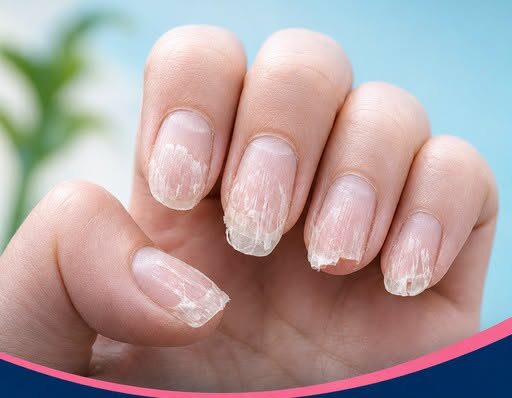
Ridges that seem to appear unexpectedly, nail tips that begin splitting more easily, and surfaces that no longer look as smooth or shiny as they once did can become increasingly noticeable after the age of forty.
These changes may initially appear to be purely cosmetic, but nail growth is connected to biological processes taking place beneath the surface.
As the body ages, cell renewal gradually becomes slower. Hormonal fluctuations, changes in circulation and differences in how efficiently nutrients are absorbed can also influence the way nails grow and maintain their structure.
Because nails depend on a steady supply of protein, vitamins, minerals and healthy fats, everyday nutrition can play an important supporting role in keeping them strong and flexible over time.
Why Nails Can Begin Looking Different After 40
Healthy nails are constantly growing and renewing themselves.
When people are younger, these processes may occur relatively quickly and consistently. As the years pass, however, the same biological processes can gradually slow down.
Cell renewal takes longer, which can affect how quickly new nail material develops.
Hormonal levels can also fluctuate with age, while circulation may become less efficient at delivering nutrients to the nail bed.
At the same time, the body may not absorb certain vitamins and minerals from food as efficiently as it once did.
Together, these gradual changes can become visible in the nails.
Ridges, Splitting and Slower Growth Can Become More Noticeable
One of the most common differences people notice is that their nails simply do not behave the way they used to.
Growth may seem slower.
Ridges can become more visible across the surface.
The nail plate may feel thinner, while the tips can become more vulnerable to peeling, cracking or splitting.
Nails that once grew with relatively little attention may suddenly require more care to prevent breakage.
These changes reflect several factors working together rather than one single process.
Protein Provides the Foundation for Nail Structure
Nails are made largely from keratin, a protein-based structure.
That makes adequate protein intake an important nutritional foundation for maintaining nail strength.
As protein synthesis naturally slows with age, consistently getting enough protein becomes especially relevant.
When protein intake is insufficient, nails may become more brittle and weak.
Rather than depending on one particular food, protein can be obtained through a range of everyday dietary choices.
Eggs, fish, poultry, dairy products, beans and lentils can all contribute protein that supports the body’s ongoing production of keratin.
Eggs Can Provide Protein Along With Biotin
Eggs can be particularly useful in a diet designed to support nail health because they provide protein while egg yolks also contain biotin.
Biotin is a B vitamin that has a supporting role in maintaining nail structure.
Lower biotin levels have been associated with brittle nails.
Because nutrient absorption may become less efficient over time, obtaining biotin regularly through food can become increasingly important as people get older.
Egg yolks are not the only dietary source.
Nuts, oats, mushrooms and sweet potatoes can also contribute biotin as part of a balanced diet.
Biotin Supports Nail Structure at the Cellular Level
Biotin is often associated with nails because of its relationship with their structure and strength.
However, dietary support is not about consuming a large amount on one occasion and expecting an immediate change.
Nails grow gradually.
That means nutritional support also needs to be consistent.
Regularly including foods containing biotin provides the body with an ongoing dietary source rather than treating nail strength as something that can be changed overnight.
Nuts, oats, mushrooms, sweet potatoes and egg yolks can all fit naturally into ordinary meals.
Iron Helps Support New Nail Growth
Iron is another nutrient with an important connection to nail health.
It helps carry oxygen to the nail matrix, which is the area where new nail growth begins.
When iron levels are low, nails can sometimes appear pale, thin or unusually fragile.
Foods that provide iron include leafy greens, legumes and seeds.
Moderate amounts of red meat can provide another dietary source.
How iron-containing foods are combined with other foods can also matter.
Vitamin C Can Help the Body Absorb Iron
A simple dietary habit is to combine an iron source with a food containing vitamin C during the same meal.
Vitamin C can help improve the body’s absorption of iron.
This means meals do not necessarily need to become complicated to provide useful nutritional combinations.
Leafy greens, legumes or seeds can be paired with vitamin C-rich foods as part of an ordinary meal.
Over time, consistent eating patterns like these can help provide the nutrients needed for normal nail growth.
Healthy Fats Can Help With Dryness and Flexibility
Strength is not the only characteristic that matters for healthy nails.
Nails also need enough flexibility and moisture to withstand everyday pressure without cracking easily.
Healthy fats, particularly omega-3s, can support this aspect of nail health.
When nails become excessively dry, they may be more likely to crack or split.
Fatty fish can provide omega-3 fats, while plant-based sources include flaxseeds, chia seeds and walnuts.
Including these foods consistently can help support moisture and flexibility as part of a broader balanced diet.
Fish Can Support Nails in More Than One Way
Fish is one of the foods that can contribute multiple nutrients relevant to nail health.
It provides protein needed for keratin production, while fatty varieties can also supply omega-3 fats.
This combination supports both the structural and moisture-related aspects of maintaining nails.
It is another example of why nail health does not depend on finding one unusual ingredient.
Ordinary foods can provide several useful nutrients simultaneously when they are consumed regularly as part of balanced meals.
Beans and Lentils Are Practical Everyday Choices
Beans and lentils can also contribute to a nail-supporting diet.
They provide protein and can also serve as dietary sources of iron.
For people trying to improve the overall nutritional quality of their meals, they can be incorporated into a variety of dishes without requiring major changes in eating habits.
Pairing them with a vitamin C-rich food can also help improve iron absorption.
Again, consistency matters more than relying on an occasional meal.
Nuts and Seeds Can Add Several Useful Nutrients
Nuts and seeds offer another convenient way to add nutrients associated with nail health.
Nuts can provide biotin, while seeds can contribute iron.
Walnuts, flaxseeds and chia seeds can also provide omega-3 fats.
These foods can therefore complement meals built around protein, vegetables and other nutrient-rich ingredients.
Rather than focusing exclusively on one vitamin or mineral, using a variety of foods helps provide the different nutritional components involved in maintaining nail structure.
Hydration Is Another Part of the Picture
Food is important, but adequate hydration also belongs within a balanced approach to nail health.
Nails that are dry and inflexible can become more vulnerable to cracking and splitting.
Healthy fats can help support flexibility, while maintaining adequate hydration contributes to the body’s overall internal balance.
The goal is not to treat water or any particular food as an instant solution.
Instead, hydration works alongside adequate protein, vitamins, minerals and healthy fats.
No Single Food Can Transform Nails Overnight
Because nails grow gradually, changes resulting from improved nutrition also require time.
Eating eggs one morning or adding walnuts to one meal will not immediately eliminate ridges or repair a nail that has already split.
The more practical approach is consistency.
A diet that regularly provides sufficient protein, biotin, iron, omega-3 fats and other essential nutrients gives the body ongoing nutritional support for new growth.
That means focusing less on quick fixes and more on everyday eating habits.
A Balanced Diet Can Support Stronger Nails Over Time
After forty, visible changes in the nails can become another reminder that the body’s internal processes are gradually changing.
Slower cell renewal, hormonal fluctuations, circulation and nutrient absorption can all influence how quickly nails grow and how well they maintain their strength.
Nutrition cannot stop the natural aging process, but balanced eating can provide the materials the body needs to support healthy nail growth.
Protein-rich foods such as eggs, fish, poultry, dairy, beans and lentils support keratin production.
Egg yolks, nuts, oats, mushrooms and sweet potatoes provide dietary sources of biotin.
Leafy greens, legumes, seeds and moderate amounts of red meat can contribute iron, while vitamin C-rich foods can help the body absorb it.
Fatty fish, flaxseeds, chia seeds and walnuts provide omega-3 fats that support moisture and flexibility.
Strong Nails After 40 Are More About Consistency Than Quick Fixes
Changes in nail appearance can be frustrating, particularly when nails that were once smooth and strong begin developing ridges, peeling or breaking more easily.
But supporting them does not require an elaborate routine built around one supposedly perfect food.
The foundation is much simpler.
Consistent, balanced nutrition provides the protein needed for keratin, vitamins and minerals involved in growth, healthy fats that support flexibility, and hydration that contributes to overall balance.
These habits work gradually rather than producing an immediate transformation.
Over time, however, everyday dietary choices can help provide the nutritional support nails need as the body’s natural rhythms change with age.
For people over forty, paying attention to those ordinary habits offers a practical way to support nail strength, growth and hydration while also contributing to broader long-term well-being.