
Hand Numbness: Why Tingling Fingers Should Never Be Ignored
When Tingling Becomes More Than a Temporary Feeling
Most people have experienced numbness or tingling in their hands at some point. Sometimes it happens after sleeping in an awkward position, leaning on an arm for too long, or spending hours typing without a break.
In many situations, the sensation disappears quickly. But when the numbness keeps returning, lasts longer than expected, or becomes stronger over time, it may be your body signaling that something deeper needs attention.
What starts as mild “pins and needles” can sometimes develop into burning sensations, weakness, reduced grip strength, or difficulty moving the fingers normally.
How Nerves Can Trigger Hand Numbness
One of the most common causes of numbness is pressure on the nerves. Repetitive hand movements, poor posture, or extended strain on the wrists can irritate important nerves connected to the hands and fingers.
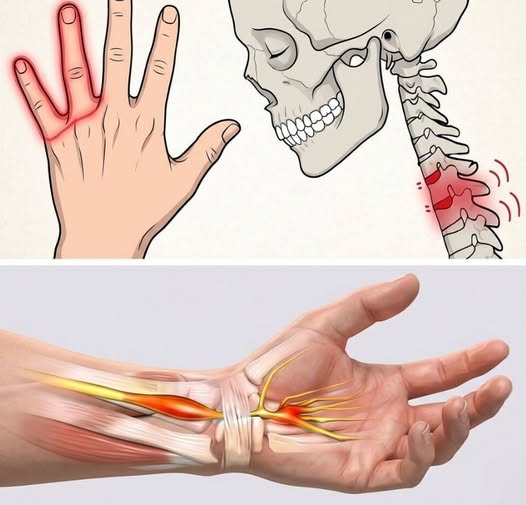
Carpal tunnel problems are a well-known example. This condition happens when pressure affects the median nerve in the wrist, often causing tingling, discomfort, or weakness in the fingers.
Over time, untreated nerve compression may interfere with daily tasks such as typing, lifting objects, holding a phone, or even buttoning clothing.
Problems in the Neck and Spine
The hands are closely connected to the nerves that travel through the neck and spine. Because of this, issues higher in the body can sometimes create symptoms in the fingers and wrists.
A damaged disc or irritated spinal nerve may send pain, tingling, or numbness down the arm and into the hand. Some people also experience stiffness in the neck or shoulder alongside these symptoms.
Ignoring these warning signs for long periods may allow the discomfort to gradually worsen.
Vitamin Deficiencies and Internal Health Issues
Not every case of hand numbness begins with posture or physical strain. Certain nutritional deficiencies and health conditions can also affect the nerves.
Vitamin B12 plays an important role in maintaining healthy nerves. When levels become too low, some people may notice numbness, weakness, unusual sensations, or fatigue.
Electrolyte imbalances can also affect normal nerve signaling inside the body, sometimes leading to tingling sensations in the hands or feet.
Diabetes-related nerve damage is another possible cause. Over time, high blood sugar may affect the nerves and create ongoing numbness or burning sensations.
Circulation Problems and Cold Fingers
Blood flow also plays a role in hand health. Poor circulation can sometimes make the fingers feel cold, pale, or numb.
Raynaud’s is one condition linked to circulation changes. During episodes, the fingers may temporarily lose warmth or color because blood vessels narrow more than normal.
These symptoms may appear more often during cold weather or stressful situations.
When Symptoms Require Immediate Attention
While many causes of hand numbness are manageable, sudden or severe symptoms should never be ignored.
Numbness that appears suddenly alongside weakness, facial drooping, speech difficulty, confusion, or dizziness may require urgent medical care.
Paying attention early can make a major difference, especially when symptoms continue to worsen or interfere with normal movement.
Simple Ways to Protect Your Nerve Health
Taking regular breaks from repetitive tasks may help reduce pressure on the hands and wrists. Maintaining healthy posture and avoiding prolonged strain can also support better nerve function.
Good nutrition, proper hydration, and routine medical care may help identify problems before symptoms become more serious.
The most important step is not ignoring repeated numbness. Even mild tingling can become harder to manage if the underlying cause remains untreated for too long.
Listening to Your Body Matters
Hand numbness is not always dangerous, but persistent symptoms should never be dismissed as “just pins and needles.”
Your body often sends warning signs long before larger problems develop. Recognizing those signals early may help protect your strength, coordination, comfort, and long-term health.