
The Hidden Language of Feet: A Complete Guide to Podomancy and Personality
What Is Podomancy?
For generations, people have searched for meaning in the human body. Hands, faces, posture, and even the shape of the head have all been used in different traditions to suggest something about character, temperament, or destiny.
Podomancy is the practice of reading personality traits through the feet. In modern online culture, it often focuses on toe length, foot shape, and the way the toes line up.
Although there is no scientific proof that foot shape can determine personality, many people enjoy these readings as a fun way to reflect on themselves. Like palm reading or zodiac-style personality tests, podomancy is best understood as entertainment and self-reflection rather than medical or scientific fact.
The Egyptian Foot
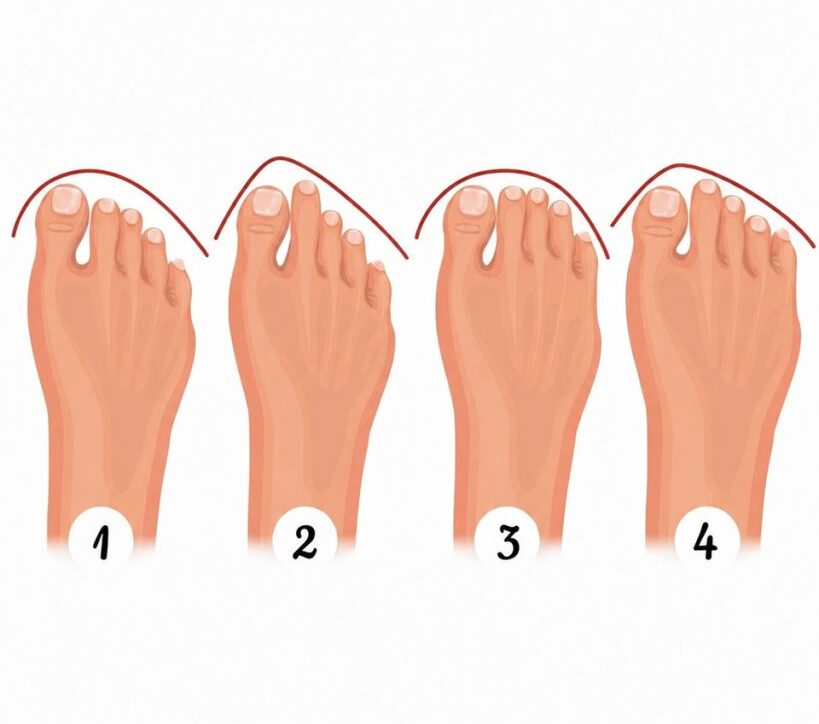
The Egyptian foot is one of the most recognizable shapes. It has a smooth diagonal slope, beginning with the big toe as the longest toe and moving downward toward the smallest toe.
Each toe is shorter than the one before it, creating a clean, slanted line. This shape is often associated with people who are private, imaginative, and emotionally rich.
In podomancy traditions, the Egyptian foot is linked to dreamers and idealists. These individuals may enjoy beauty, mystery, and personal space.
They are often described as people who do not reveal everything about themselves immediately. Their inner world may be active, creative, and deeply personal.
Common traits connected with this foot shape include sensitivity, moodiness, impulsive choices, and a strong appreciation for aesthetics.
The Greek Foot
The Greek foot is also known as Morton’s toe. Its defining feature is a second toe that is longer than the big toe.
This creates a raised, pointed shape that some compare to a flame or triangle. In personality-style readings, the Greek foot is often connected with energy, creativity, and natural leadership.
People with this foot shape are often described as passionate and expressive. They may be the type who bring enthusiasm into a room and motivate others through their confidence.
This shape is also linked with kindness and protectiveness. A person with a Greek foot may care deeply for friends and family while also having firm boundaries.
They may forgive slowly when trust is broken. Loyalty matters to them, but they are not likely to tolerate betrayal or repeated drama.
Dominant traits often connected with the Greek foot include creativity, emotional strength, intuition, leadership, and high energy.
The Roman Foot
The Roman foot has a more balanced appearance. In this shape, the first three toes are almost equal in length, giving the front of the foot a square or blocked look.
This foot type is often associated with social confidence. In podomancy, people with Roman feet are commonly described as outgoing, talkative, and comfortable around others.
They may enjoy meeting new people, speaking in groups, and building connections. Their personality is often linked with charm and strong communication skills.
The Roman foot is also connected with practical thinking. These individuals may be business-minded, logical, and good at networking.
Because they often appear confident, some may see them as arrogant. However, this confidence may simply come from being comfortable in public situations.
Common traits include charisma, logic, ambition, sociability, and strong self-belief.
The Celtic Foot
The Celtic foot is a more complex pattern. It usually has a longer second toe, while the remaining toes descend in a stepped or uneven shape.
This creates a jagged appearance rather than a smooth slope or square line. In podomancy, this shape is often linked to people who are hard to define.
A person with a Celtic foot may have several sides to their personality. They may be ambitious and energetic in public, but softer and more private with people they trust.
This foot shape is often described as a blend of the Greek foot’s drive and the Egyptian foot’s mystery. These individuals may be creative, emotional, determined, and selective about who gets close to them.
They may not fit neatly into one category. Their personality can seem layered, with different qualities appearing in different situations.
Dominant traits include ambition, emotional depth, complexity, loyalty, and a hidden gentle side.
Why These Personality Tests Remain Popular
Foot-shape readings continue to attract attention because they are simple, visual, and personal. Anyone can look at their feet and compare the shape to a familiar type.
These readings also give people a playful way to think about their habits, strengths, and relationships. Even without scientific backing, they can spark conversation and self-reflection.
The appeal comes from curiosity. People enjoy discovering patterns, especially when those patterns seem to connect ordinary physical details with deeper personality traits.
A Fun Tool for Reflection
Podomancy should not be treated as a proven method for judging character. A person’s values, choices, and behavior matter far more than toe length or foot shape.
Still, the tradition can be an enjoyable way to explore personality ideas. Whether someone has an Egyptian, Greek, Roman, or Celtic foot, the reading can offer a lighthearted moment of insight.
In the end, the “hidden language of feet” is less about certainty and more about reflection. Your toes may not reveal your destiny, but they can still start an interesting conversation about who you are.