
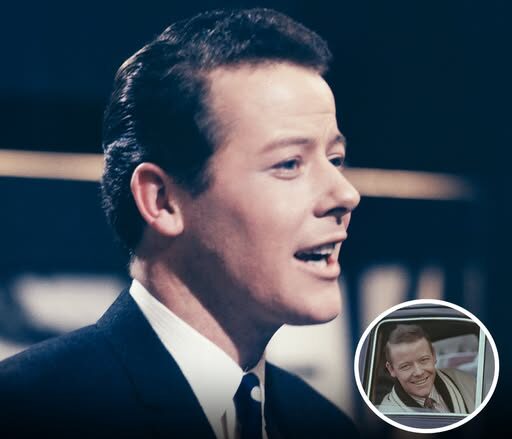
“Singing Milkman” Craig Douglas Dies at 85 After a Career That Helped Define Early British Pop
A Familiar Voice From a Golden Era Falls Silent
Craig Douglas, the British singer whose voice became closely associated with the pop music of the late 1950s and early 1960s, has died at the age of 85.
Douglas died peacefully at his home on the Isle of Wight following a short illness, his family confirmed.
For generations of listeners, Douglas remained best remembered for “Only Sixteen,” the recording that became the defining hit of his career and took him to the top of the UK charts in 1959.
His death marks the loss of another performer whose career was shaped during a distinctive period in British popular music, when radio, records and television were introducing new singers to millions of homes.
Douglas was also widely remembered by the affectionate nickname the “Singing Milkman,” reflecting the ordinary job he held before music transformed his life.
From Newport Milkman to Aspiring Performer
Craig Douglas was born Terence Perkins in Newport on the Isle of Wight. He was a twin and grew up in a large family, long before an international music career appeared to be a realistic possibility.
At the age of 15, he was working as both a milkman and a farm worker. His path began to change after his mother, Mildred, encouraged him to enter a local talent competition.
The decision proved important. Douglas won the contest and received the coveted $5 prize.
His performance also attracted the attention of a cinema manager, who helped him take some of the early steps that would eventually lead toward a professional singing career.
What began as a local opportunity gradually developed into something much larger. The teenager who had been delivering milk would soon become a recognizable figure in British pop music.
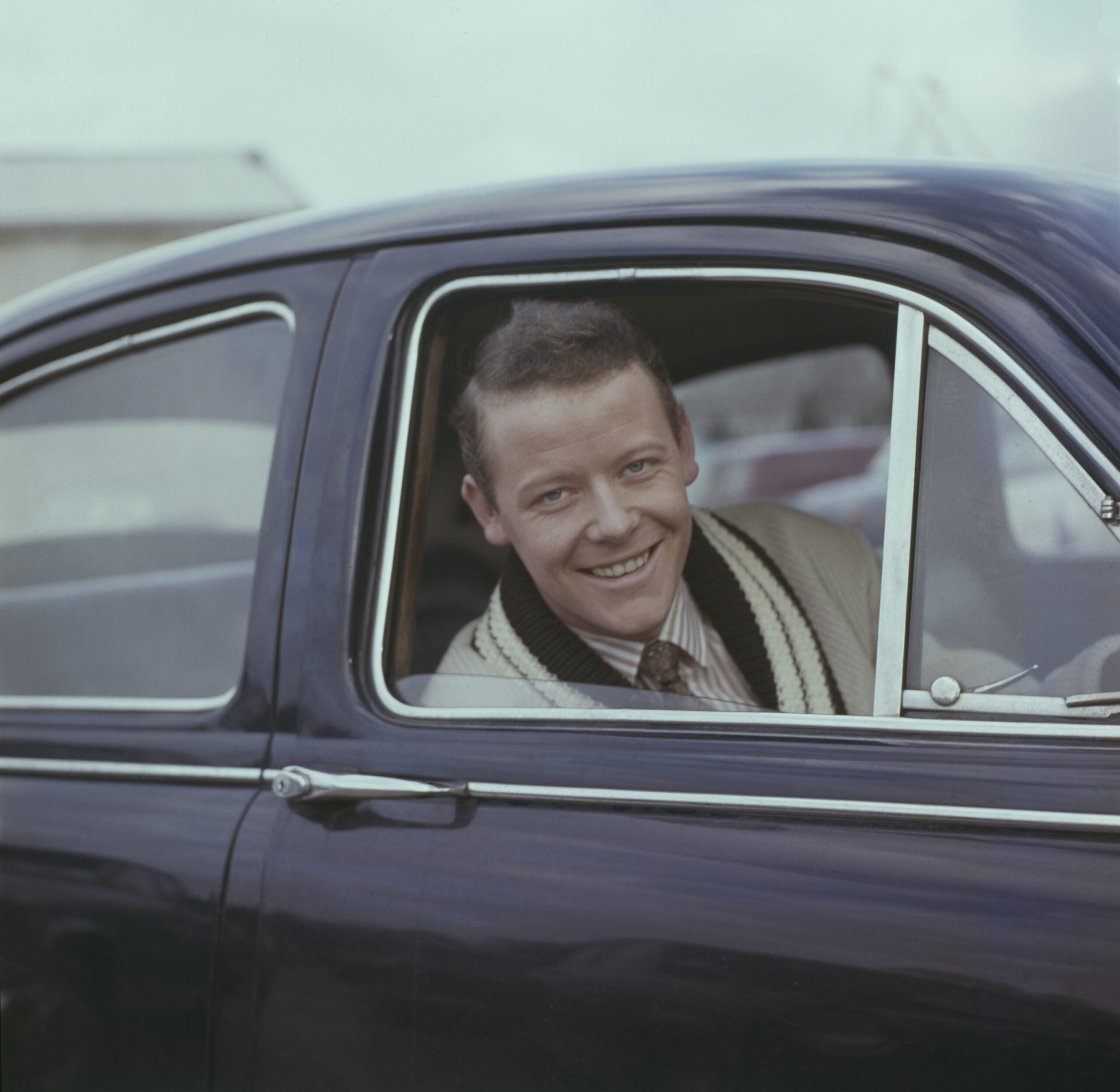
How Terence Perkins Became Craig Douglas
His birth name would not be the name audiences eventually knew.
His manager, Bunny Lewis, decided that the young singer needed a stage name. Lewis came across the name Craig Douglas outside a house in Scotland and decided it suited the performer.
Lewis believed there were already too many singers and performers named Terry, while Craig was far less common.
From that point forward, Terence Perkins became Craig Douglas professionally.
The newly chosen name would soon appear on records, performance bills and television appearances as Douglas’s popularity rapidly increased.
The Breakthrough That Changed His Career
Douglas emerged as a successful singer during the closing years of the 1950s, a period when popular music was changing quickly and young performers were becoming major stars.
His rise was recognized in 1959 when he was voted Best New Singer by NME.
That same year brought the recording that would become permanently associated with his name.
Douglas recorded “Only Sixteen,” a song that had originally been recorded by Sam Cooke.
His version was made at Abbey Road Studios and became an enormous success in Britain.
The single climbed all the way to No. 1 on the UK charts and even outsold Cooke’s original version in Britain.
For Douglas, the success represented the high point of a remarkable transformation. Only a few years earlier, he had been working as a teenage milkman and farm worker on the Isle of Wight.
Now his voice was being heard across the country.
“Only Sixteen” Became His Signature Song
Although Douglas would release numerous other recordings, “Only Sixteen” remained the song most closely connected with his career.
Its popularity gave him a permanent place in the memories of listeners who came of age during the early years of British pop.
Music at the time occupied a very different cultural space from the modern era. Records were carefully collected, radio broadcasts could introduce entire families to a new performer, and a successful single could quickly turn a relatively unknown singer into a national star.
Douglas became one of those recognizable young voices.
Decades later, the song continued to evoke the period in which it became successful and the memories of listeners who first heard it during their youth.
A Run of Success on the British Charts
Douglas proved that his career involved more than a single successful record.
He ultimately achieved nine UK Top 40 singles during his years as a chart performer.
His unusual chart record also included four consecutive singles that each reached No. 9.
These successes kept Douglas visible during a highly competitive period for popular music and established him as a regular presence for British audiences.
In 1961, he also attempted to represent Britain at the Eurovision Song Contest with “The Girl Next Door.”
Douglas was not selected, but the attempt reflected the level of prominence he had reached by that stage of his career.
His final chart hit came in 1963 with “Town Crier.” The song reached No. 36.
By then, popular music was entering another period of rapid change, and a new generation of performers was beginning to reshape the British music scene.
Douglas Shared the Stage With the Beatles
Douglas also occupied an interesting place in the history of British music because his successful years overlapped with the emergence of performers who would soon become internationally famous.
At one early major show, Douglas topped the bill over the Beatles.
The detail reflects just how established he was at the time, before the Beatles rose to the extraordinary level of fame that would later define their career.
Douglas also appeared in the 1962 film It’s Trad, Dad!, further expanding his work beyond conventional recording and live performances.
His career therefore placed him directly inside a period of transition in British entertainment, bridging the pop sound of the late 1950s with the rapidly evolving music culture of the early 1960s.

Music Remained Part of His Life for Decades
Although his period of major chart success eventually ended, Douglas did not simply abandon performing.
He continued entertaining audiences long after his biggest hits had disappeared from the weekly charts.
Douglas performed in nightclubs, appeared on cruise ships and continued visiting venues around Britain.
For audiences who remembered his records from their younger years, those appearances provided an opportunity to hear the songs associated with an earlier period of their lives.
His performing career continued for decades, demonstrating that the popularity generated during his early years had never entirely disappeared.
Remarkably, Douglas continued touring until 2010.
By then, more than half a century had passed since his breakthrough years, yet the singer was still performing the music that had first introduced him to the public.
A Private Life Away From the Spotlight
Later in life, Douglas gradually moved away from the public attention that had surrounded him during his years as a young pop star.
He eventually returned to the Isle of Wight, the place where his story had begun.
His personal life was different from the family life he might once have imagined.
Douglas dated two Miss Worlds during his lifetime, but he never married and did not have children.
Despite selling more than 10 million records worldwide and enjoying experiences that would have seemed extraordinary during his teenage years as a milkman, he later acknowledged that not becoming a father was something he regretted.
In a 2024 interview, Douglas reflected on the possibility of having children and how his years of traveling might have affected family life.
He said, “I would have liked to have had a couple of children, but if I did, I’d miss them like mad while I was away, so I didn’t conceive it all. Coming from a family of nine children, I would have always wanted some of my own,”
The comment revealed a quieter side of a man whose public identity had largely been defined by records, performances and memories from an earlier era of entertainment.
More Than 10 Million Records Sold
Across his career, Douglas sold more than 10 million records around the world.
That figure reflected the reach he achieved after beginning life far removed from the glamour normally associated with successful entertainers.
His story began with a teenage job, encouragement from his mother and a local talent contest with a modest cash prize.
It eventually developed into chart success, television performances, film work, decades of touring and a recording career remembered by music fans long after his biggest singles first appeared.
The nickname “Singing Milkman” remained especially fitting because it captured the unexpected nature of his journey.
Douglas did not begin as someone raised inside the entertainment industry. His career developed from an ordinary working life into one that brought him national recognition.
A Song That Continued to Bring Back Memories
For many listeners, the lasting importance of Craig Douglas cannot be measured only through chart positions or record sales.
His songs became attached to personal memories of a particular generation.
People who first heard “Only Sixteen” as teenagers or young adults experienced it at a time when music often arrived through a family radio or a carefully purchased record.
The song became part of the musical backdrop to those years.
That is one reason recordings from the period can remain meaningful decades later. Hearing only the opening moments of a familiar song can return listeners to places, people and experiences that seemed long forgotten.
For many fans of Douglas, “Only Sixteen” continues to have precisely that effect.
The Singing Milkman’s Legacy Lives Through His Music
Craig Douglas’s death at 85 closes a life that traveled an extraordinary distance from its beginnings on the Isle of Wight.
He went from being a 15-year-old milkman and farm worker to one of the recognizable British pop singers of his generation.
A local talent competition opened the first door. A new stage name helped establish his public identity, and “Only Sixteen” transformed him into a chart-topping performer.
His later achievements included nine UK Top 40 singles, more than 10 million records sold worldwide, decades of live performances and a career that placed him alongside some of the most important names emerging in British music.
Douglas eventually returned to the Isle of Wight and lived far removed from the intense attention of his early career.
Now the performer affectionately remembered as the “Singing Milkman” is gone, but the recordings remain.
For listeners who associate his voice with their youth, a radio playing “Only Sixteen” can still revive the atmosphere of another time.
Some singers become inseparable from the generation that first embraced them. For thousands of people who lived through the golden years of early British pop, Craig Douglas was one of those voices.