
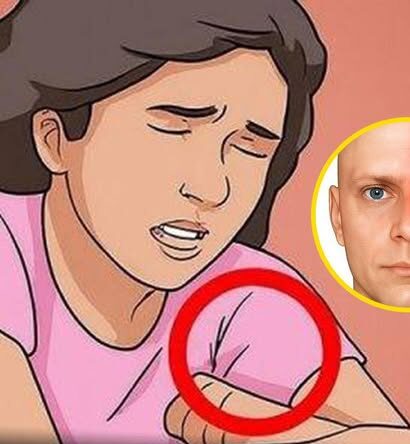
Heart Attack Symptoms in Women Can Be Different and Easy to Miss
Why Heart Attack Symptoms in Women Often Go Unnoticed
Heart attack symptoms in women are not always the dramatic chest-clutching moments many people expect.
For years, heart attacks were mainly associated with intense chest pain in men, but doctors and researchers have learned that women often experience very different warning signs.
Some symptoms may appear mild, gradual, or unrelated to the heart at first glance. Because of this, many women delay seeking medical care or mistake the symptoms for stress, exhaustion, anxiety, digestive issues, or normal aging.
Understanding the warning signs can help women recognize when something may be seriously wrong and encourage faster medical attention.
Important Changes in Women’s Heart Health
In recent decades, scientists have focused more attention on how heart attacks affect women differently.
A multicenter study involving 515 women who experienced heart attacks found that chest pain was not always the most common symptom.
Instead, many women reported unusual fatigue, sleep disturbances, and anxiety before the heart attack occurred.
Nearly 80 percent of the women said they experienced at least one warning sign for more than a month before the heart attack happened.
These findings helped increase awareness that heart attack symptoms in women can begin gradually and may not immediately seem connected to the heart.
Do Not Ignore Unusual Symptoms
Even if symptoms appear mild or confusing, it is important to seek emergency medical care if something feels abnormal.
Women are encouraged to pay attention to changes that feel unusual for their body, especially when symptoms appear suddenly or continue without explanation.
If symptoms feel unfamiliar or severe, delaying care can increase the risk of serious heart damage.
In one survey, only 65 percent of women said they would call 911 if they believed they were having a heart attack.
Quick treatment can save heart muscle and improve survival, making fast action extremely important.
Unusual Fatigue
Extreme fatigue is one of the most frequently reported warning signs in women.
This is not ordinary tiredness after a long day. It may feel overwhelming, sudden, or unexplained.
Some women report feeling exhausted for days or weeks before a heart attack, even when they have not done anything physically demanding.
Simple activities such as walking, climbing stairs, or completing routine tasks may suddenly feel difficult.
Sleep Disturbances
Sleep problems can also appear before a heart attack.
Women may experience insomnia, unusual restlessness, or frequent waking during the night.
Some notice they are unable to sleep comfortably or feel unusually anxious at bedtime.
When sleep disturbances occur together with fatigue or shortness of breath, they should not be ignored.
Anxiety and a Sense of Doom
Some women describe feeling intense anxiety or a strong sense that something is seriously wrong before or during a heart attack.
This feeling may appear suddenly and can be accompanied by sweating, dizziness, or breathing difficulty.
Although anxiety alone does not necessarily mean a heart problem is happening, sudden anxiety combined with physical symptoms deserves immediate attention.
Lightheadedness and Dizziness
Feeling faint, dizzy, or unsteady can also be linked to a heart attack.
Some women experience sudden weakness or feel as if they may pass out.
This symptom may occur together with nausea, sweating, or shortness of breath.
Dizziness that appears unexpectedly and does not improve should be taken seriously.
Shortness of Breath
Breathing difficulty is another common symptom experienced by women.
Some women feel unable to catch their breath even while resting or doing light activity.
Shortness of breath may occur with chest discomfort, but it can also appear without chest pain at all.
This symptom can feel frightening and may worsen over time if the heart attack continues.
Indigestion, Nausea, or Stomach Discomfort
Heart attack symptoms in women are sometimes mistaken for digestive problems.
Some women experience nausea, vomiting, indigestion, bloating, or gas-like pain during a heart attack.
Because these symptoms resemble common stomach issues, women may not immediately realize the heart is involved.
Persistent stomach discomfort combined with sweating, fatigue, dizziness, or breathlessness should not be dismissed.
Cold Sweats
Sudden sweating without physical activity may be another warning sign.
Women experiencing a heart attack may develop cold, clammy skin or unexplained sweating.
This sweating may occur together with chest discomfort, nausea, or dizziness.
Cold sweats that appear suddenly can signal a medical emergency.
Jaw, Neck, Shoulder, Back, or Arm Pain
Women do not always feel heart attack pain directly in the chest.
Discomfort may spread into the jaw, neck, shoulders, back, stomach, or one or both arms.
The pain may feel dull, tight, aching, or burning rather than sharp.
Some women describe the discomfort as pressure or heaviness that moves through the upper body.
Because these symptoms can seem unrelated to the heart, they are sometimes overlooked.
Heart Attack Risk in Women Over 50
Women often experience major physical changes around age 50 as menopause begins.
During menopause, estrogen levels decrease. Estrogen is believed to help support heart health, which may explain why heart attack risk rises after menopause.
As women age, monitoring heart health becomes even more important.
Women who experience heart attacks are also less likely to survive than men, making awareness and prevention especially important after menopause.
Understanding symptoms and staying alert to physical changes can help women seek care more quickly when warning signs appear.
Additional Symptoms in Women Over 50
Women over 50 may experience severe chest pain or pressure during a heart attack.
Some may also notice discomfort in the back, neck, jaw, stomach, or arms.
Rapid or irregular heartbeat can occur and may feel like fluttering, pounding, or racing inside the chest.
Heavy sweating without physical exertion may also appear suddenly.
These symptoms can happen together or separately and may build gradually over time.
Understanding Silent Heart Attacks
A silent heart attack occurs when heart damage happens without the classic symptoms many people expect.
Some silent heart attacks cause only mild discomfort or symptoms that are easy to mistake for stress, aging, or digestive issues.
Because the warning signs can be subtle, many people do not realize they have experienced a heart attack until later medical testing reveals damage.
Research from Duke University Medical Center estimated that as many as 200,000 Americans experience heart attacks each year without knowing it.
Even though symptoms may seem mild, silent heart attacks can still damage the heart and increase the risk of future attacks.
Silent heart attacks are more common in people with diabetes and those who have already experienced previous heart attacks.
Symptoms That May Suggest a Silent Heart Attack
Mild discomfort in the chest, arms, or jaw that improves after resting may be one sign.
Shortness of breath and becoming tired more easily than usual may also occur.
Some people experience increased fatigue, sleep disturbances, or unusual weakness.
Others may notice abdominal discomfort or heartburn-like sensations.
Cold, clammy skin and unexplained sweating can also develop during a silent heart attack.
Because these symptoms are often less dramatic, many people fail to recognize the seriousness of the situation.
Changes After a Silent Heart Attack
After a silent heart attack, some people notice ongoing physical changes.
Exercise may become more difficult, and activities that once felt easy may suddenly cause exhaustion.
Persistent fatigue or weakness can continue long after the event itself.
These changes should not be ignored, especially when they appear suddenly or continue without explanation.
The Importance of Regular Health Checkups
Regular medical checkups can help identify heart problems early and reduce the risk of severe complications.
Routine exams allow doctors to monitor blood pressure, heart rhythm, and overall cardiovascular health.
People with risk factors such as diabetes, previous heart problems, or concerning symptoms should discuss heart testing options with their doctor.
Recognizing warning signs early and seeking fast treatment may help reduce heart damage and improve long-term health.
Paying attention to heart health, especially after age 50, can help women protect their well-being and improve quality of life.