
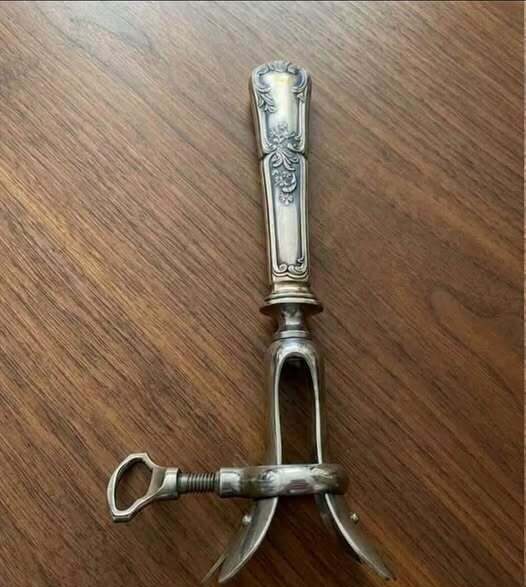
Forgotten Vintage Household Items Can Reveal Powerful Family Stories
Ordinary Objects With Unexpected Histories
Old objects discovered in forgotten drawers, crowded cupboards, and antique dressers often appear unremarkable at first. A strangely shaped tool, a scratched kitchen item, or a small wooden container may look like clutter left behind by an earlier generation.
Yet these unfamiliar belongings can carry far more meaning than their appearance suggests. Once their original purpose is uncovered, they often reveal fascinating details about the routines, skills, and traditions of the people who once used them.
A mysterious vintage item can immediately inspire curiosity. Family members may turn it over in their hands, study its worn edges, and try to imagine where it was kept and why someone considered it important enough to save.
Items such as old resin massage tools or well-used cast iron skillets frequently attract attention because they reflect practices that remain recognizable today. Their materials, construction, and signs of repeated use can show how much household life has changed while also highlighting the habits that have endured.
The object itself may be simple, but the questions surrounding it can transform an ordinary discovery into a meaningful connection with the past.
Practical Tools From Another Era
Many unidentified household objects were created to solve everyday problems. Before modern appliances, convenient fasteners, and disposable products became common, people relied on specialized tools designed for particular tasks.
Some of these items may no longer be familiar because the routines they supported have disappeared. Others have been replaced by modern versions that look completely different from the tools used decades earlier.
Vintage buttonhooks are one example. These narrow tools helped people fasten small buttons on clothing and footwear during a time when such closures were more widely used.
Before zippers became common, dressing could require greater patience and precision. A small buttonhook was not merely decorative; it was a practical object that made a repetitive daily task easier.
Without knowledge of that history, its shape may seem puzzling. It might be mistaken for a medical instrument, a crafting tool, or a piece from another household device.
Its true purpose becomes clearer only when it is placed within the routines of the era in which it was used.
Kitchen Items That Carry Generations of Use
Old kitchens are another common source of mysterious discoveries. Drawers may contain utensils created for highly specific forms of food preparation, while cabinets may hold cookware that has remained in the same family for decades.
A well-worn cast iron skillet is usually easier to recognize than a specialized vintage utensil, but its meaning may still go far beyond its practical use.
The surface may show years of cooking, cleaning, and careful maintenance. Every mark can reflect repeated family meals, recipes prepared for special occasions, and ordinary evenings spent around the table.
Unlike many modern household products, durable cookware was often kept for long periods and passed from one generation to the next. Its value developed gradually through use rather than through appearance alone.
Other kitchen tools can be more difficult to identify. A strangely shaped metal implement may have been designed for cutting, stirring, straining, grinding, or serving a particular type of food.
Changes in cooking methods can make these objects appear unnecessary or confusing today. However, they once helped someone complete a familiar task efficiently.
Learning how such an item worked can provide a clearer picture of the effort involved in preparing food before modern conveniences became widely available.
Crafting Tools and Evidence of Forgotten Skills
Some vintage objects were connected to sewing, repairing, carving, weaving, or other forms of handcraft. These skills were often part of everyday household life rather than occasional hobbies.
A tool that seems unusual today may have been used regularly to repair clothing, create decorative pieces, or maintain belongings that could not easily be replaced.
Small instruments found inside old sewing boxes are especially likely to cause confusion. Their shapes may be unfamiliar, and their purpose may not be obvious without examples of how they were held or used.
Even when the exact function remains uncertain, the object can still reveal something important. It may show that a relative possessed a skill that younger family members never knew about.
A collection of worn tools can suggest patience, creativity, and many hours spent making or repairing useful items by hand.
These discoveries remind families that earlier generations often depended on practical knowledge that was learned at home and shared through observation.
Boxes Made to Protect Treasured Possessions
Not every old object was designed for labor. Some were created to preserve belongings that carried emotional or personal value.
Beautifully carved wooden boxes may have been used to store letters, jewelry, photographs, or small family mementos. Their appearance often shows that the contents were considered worthy of protection.
A box found empty can still raise important questions. Family members may wonder what it once contained, who owned it, and why it remained carefully stored long after its original contents disappeared.
When letters or keepsakes remain inside, the discovery can become even more significant. A handwritten note, a small piece of jewelry, or a saved personal item may connect the present generation directly to an earlier period of family life.
The container and its contents may reveal relationships, celebrations, hardships, or private moments that were never recorded elsewhere.
Even when no explanation survives, the care taken to preserve the object suggests that it mattered deeply to someone.
The Emotional Experience of Sorting Through Belongings
Looking through a loved one’s possessions can be both rewarding and emotionally difficult. Every drawer or box may contain something familiar, unexpected, or closely connected to a personal memory.
Some belongings immediately bring back recognizable moments. Others create uncertainty because no one present understands why the item was saved.
This mixture of recognition and mystery often encourages family members to slow down rather than treating the process as a simple effort to organize a home.
A forgotten object may prompt someone to remember where it was kept, who used it, or when it appeared during family gatherings.
One person may recall seeing it in a grandparent’s kitchen, while another may remember being told not to touch it as a child. These small recollections can help reconstruct a larger story.
The process also provides opportunities for family members of different generations to share knowledge. An older relative may recognize a tool immediately, while younger relatives may ask questions that lead to stories rarely discussed before.
Why Taking a Break Can Matter
Sorting through old possessions can become tiring, particularly when the items belonged to someone deeply missed. The practical work of opening boxes and organizing belongings is often accompanied by memories that require time to absorb.
A short pause can make the experience more meaningful.
Sharing a warm drink gives everyone a chance to rest and reflect before continuing. Tea or a simple honey and ginger beverage can create a quiet moment in the middle of an emotionally demanding task.
During these breaks, conversation may naturally move away from the object itself and toward the person who owned it.
Family members might discuss favorite habits, familiar expressions, celebrations, or ordinary routines that once seemed too common to remember.
These conversations can become as valuable as the discoveries found inside the drawers and boxes.
A break also allows people to return with renewed attention. An item that seemed meaningless earlier may look different after someone recalls a related family story.
The Question Every Discovery Creates
Finding an unfamiliar object almost always leads to the same question: what was it used for?
The desire to identify it is natural because understanding its function can transform it from a puzzling piece of clutter into a meaningful historical object.
Its shape, material, size, and wear patterns may offer clues. A smooth handle can suggest frequent use, while scratches or stains may indicate the type of work it performed.
The location where it was discovered can also be important. An object found in a kitchen drawer may have served a different purpose from one stored beside sewing supplies, personal letters, or grooming items.
Family memories may provide the strongest clues. Someone may recognize the item from childhood or remember seeing an older relative use it.
Sometimes the answer comes quickly. In other cases, the item remains unidentified for years before a chance conversation finally reveals its purpose.
Even when certainty is never reached, the search can become part of the object’s continuing story.
When the Search Becomes a Family Experience
A mystery involving an old household object can bring people together in unexpected ways. Instead of sorting silently, family members begin exchanging theories, memories, and questions.
Each person may notice a different detail. One relative might focus on the material, while another remembers a similar object in a childhood home.
The discussion can encourage people to contact older family members who may know more about the item or the person who owned it.
That simple question can lead to a much larger conversation about family life, earlier homes, inherited traditions, and relatives whose stories were never fully shared.
In this way, an object does not need to be rare or financially valuable to matter. Its importance can come from the memories and connections it helps recover.
A worn tool may reveal how someone worked. A cooking item may recall meals shared around a family table. A carved box may represent the care once given to private letters or treasured keepsakes.
Preserving More Than the Object
Once an item is identified, families often view it differently. What originally looked like an obsolete tool can become a piece of personal heritage.
Its value may come from knowing who used it, how it supported daily life, and why it was kept for so many years.
Preserving the story can be as important as preserving the object itself. Without that explanation, future generations may once again discover the item without understanding its significance.
Sharing what is known helps ensure that the connection is not lost.
Even a brief explanation can give the object context. A simple memory about who owned it or where it was used can transform it into a recognizable part of family history.
Objects cannot tell their stories alone. Their meaning often survives because someone takes the time to ask questions and listen carefully to the answers.
Small Keepsakes With Lasting Meaning
Forgotten belongings have the potential to preserve more than material history. They can hold traces of personality, responsibility, creativity, and affection.
An old tool may show that someone valued practicality. A carefully maintained skillet may represent decades of meals prepared for others.
A box containing letters or jewelry may reflect relationships that remained important throughout a lifetime.
These items connect present-day family members to people who once handled them during ordinary moments. That connection can make the past feel immediate and personal.
The mystery does not always need a complete solution to have value. Sometimes the questions themselves encourage the most meaningful conversations.
Families may never learn exactly why a particular item was saved, but discussing its possibilities can bring forgotten memories back into the open.
Whether the original purpose is discovered quickly or remains uncertain, every old keepsake offers an opportunity to look more closely at the lives of those who came before.
What first appears to be an ordinary object can become a reminder of family traditions, changing household routines, and the lasting influence of a loved one.
These discoveries show that history is not found only in museums or written records. It can also survive in kitchen cabinets, sewing boxes, dresser drawers, and the quiet corners of a family home.
Each forgotten item carries the possibility of preserving memories, strengthening family bonds, and celebrating a life that continues to leave its mark through the possessions left behind.