
Viral Frog Drawing Hides a Horse That Many Viewers Struggle to See
Can You Spot the Hidden Horse Inside This Clever Frog Illusion?
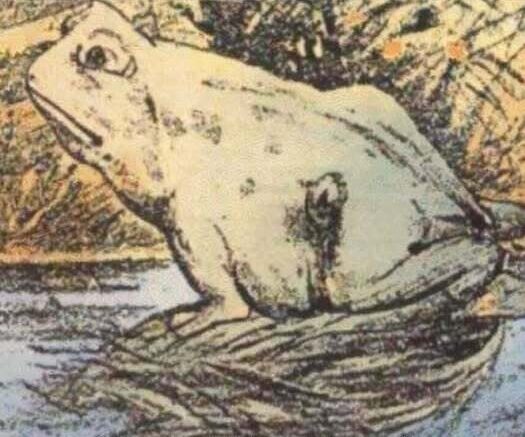
A seemingly simple drawing has captured widespread attention online after challenging viewers to identify two animals hidden within the same set of lines. Most people immediately recognize a frog sitting peacefully on what appears to be a lily pad, but the illustration contains another figure that is far less obvious.
Hidden inside the frog is the head and neck of a horse. The second animal is not placed in the background or concealed behind another object. Instead, the artist has arranged the frog’s body, legs, eyes, and surrounding shapes so that they create a completely different picture when viewed from another perspective.
The visual puzzle has prompted lively discussions across Facebook, where users have compared how quickly they noticed the hidden figure. Some people say the horse became clear within seconds, while others needed to rotate the drawing or receive a hint before they could recognize it.
A Frog Is the First Image Most People Notice
When viewers first examine the illustration, the frog is usually the strongest and most recognizable image. Its rounded body, bent legs, raised eyes, and resting position form a familiar scene that the brain can understand almost instantly.
The lily pad also supports that initial interpretation. Because frogs are commonly associated with ponds and floating leaves, the surrounding shape encourages viewers to accept the first image without searching for another explanation.
This immediate recognition is an important part of the illusion. Once the brain decides that the drawing represents a frog, every visible line tends to be interpreted as part of that animal.
The curves become limbs, the raised shapes become eyes, and the lower form becomes the surface beneath the frog. The viewer’s attention settles on the obvious picture, allowing the hidden horse to remain unnoticed even though it is formed from the same outlines.
The Horse Is Built Into the Frog’s Shape
The hidden horse is not a complete animal. The illustration contains only the horse’s head and neck, which are created by reorganizing the visual meaning of the frog’s features.
Parts that appear to belong to the frog take on different roles once the second image is recognized. The frog’s rear leg becomes part of the horse’s nose, while the shapes initially seen as the frog’s eyes can be interpreted as the horse’s ears.
Other lines that seem to define the frog’s body help create the horse’s face and neck. Nothing needs to be added or removed from the drawing. The transformation happens entirely through a change in how the viewer understands the existing shapes.
This is why the image can remain confusing for so long. People often search for a tiny horse hidden somewhere near the frog, expecting to find a separate outline or miniature figure. In reality, the frog itself must be mentally reorganized to reveal the horse.
Changing the Viewing Angle Reveals the Secret
One of the easiest ways to uncover the second animal is to rotate the image or look at it sideways. Changing the angle weakens the brain’s attachment to the original frog and allows the outlines to be considered in a new arrangement.
When the drawing is turned, the horse’s profile becomes easier to recognize. Lines that appeared natural in the frog scene begin to resemble the forehead, muzzle, ears, and neck of a horse.
Viewers who do not want to rotate the image can also shift their attention toward the area that resembles the lily pad. Focusing on its shape and texture rather than the frog’s face may help the alternative outline emerge.
The key is to stop examining the image as a picture of a frog. Instead, the viewer must temporarily treat the drawing as a collection of curves, edges, and spaces that could represent something else.
Once that mental shift occurs, the hidden horse often becomes surprisingly clear. Many people then wonder how they failed to notice such a large figure during their first look.
Why the Brain Chooses One Animal First
The puzzle works because human perception is designed to organize visual information quickly. Rather than studying every line individually, the brain searches for familiar patterns and combines them into recognizable objects.
In this case, the frog provides the strongest initial pattern. Its pose and setting are easy to identify, so the brain settles on that interpretation before seriously considering other possibilities.
This rapid process is useful in everyday life. It allows people to recognize faces, objects, animals, and surroundings without carefully analyzing every detail. However, the same efficiency can make ambiguous drawings difficult to interpret.
After the brain labels the figure as a frog, it begins to support that conclusion. Each line is assigned a role within the frog’s body, and the viewer may unconsciously ignore arrangements that do not fit the chosen image.
The horse remains hidden not because its outline is too small, but because the viewer’s perception has already committed to another answer. The drawing demonstrates how expectations can influence what a person believes is visible.
Two Animals Share One Continuous Illustration
The most impressive feature of the puzzle is that both animals are formed from one continuous design. The artist did not simply place two ordinary pictures on top of each other. Each line has been carefully positioned so that it can contribute to more than one interpretation.
From one viewpoint, the shapes form a frog resting calmly on a lily pad. From another, those same shapes create the side profile of a horse’s head connected to part of its neck.
Neither interpretation requires the viewer to imagine lines that are not present. Both animals are genuinely built into the drawing, but the brain usually recognizes them at different times.
The illusion also depends on balance. If the horse were made too clear, the frog might not dominate the first impression. If the frog were drawn with more ordinary or detailed features, the lines might no longer support the horse’s profile.
The final image succeeds because it remains simple enough to hold both meanings. Its limited details give the viewer’s mind room to switch between the two animals.
Why Some Viewers Spot the Horse Immediately
Not everyone experiences the puzzle in the same way. A small number of viewers recognize the horse before the frog or notice both animals almost at once.
This difference does not necessarily indicate that one person has better vision than another. It may reflect where the viewer looks first, how the image is positioned on the screen, or which shapes attract attention during the opening moment.
A person who focuses on the frog’s face is likely to remain with the frog interpretation. Someone whose attention lands on the lower curves or the outer profile may be more likely to notice the horse.
Previous experience with optical illusions can also affect the process. People who regularly solve visual puzzles may immediately search for alternative shapes rather than accepting the first recognizable image.
The size and orientation of the picture can make a difference as well. A sideways display, a cropped version, or a smaller preview may emphasize the horse’s outline before the frog becomes fully established.
Why the Horse Becomes Impossible to Ignore
An unusual part of ambiguous illusions is the lasting change that occurs after the hidden figure has been identified. Before recognizing the horse, a viewer may stare at the drawing and see nothing except a frog.
After the horse appears, the same viewer can usually locate it again without difficulty. The brain has learned a second way to organize the lines, and that new interpretation becomes part of the viewing experience.
This effect explains why people often say the horse cannot be unseen. The image itself has not changed, but the viewer’s understanding of it has expanded.
From that point forward, the eyes, legs, body, and lily pad no longer belong exclusively to the frog. They also serve as parts of the horse’s profile, allowing the mind to move back and forth between the two figures.
Some viewers may still see the frog first when returning to the illustration, but the hidden horse usually follows almost immediately. The puzzle becomes easier because the brain now knows exactly which pattern to search for.
The Essential Details Behind the Puzzle
The drawing contains two separate animal interpretations within a single arrangement of lines. The first is a complete frog shown in a resting position, while the second is limited to a horse’s head and neck.
Most viewers identify the frog during their initial inspection. Its familiar form and the apparent lily pad create a clear visual scene that dominates attention.
The horse becomes visible when the image is rotated, viewed sideways, or examined without focusing on the frog. The alternative angle helps transform the frog’s features into the horse’s muzzle, ears, face, and neck.
The frog’s rear leg contributes to the horse’s nose, while the frog’s eyes take on the appearance of the horse’s ears. The remaining outlines connect these features into a recognizable profile.
There is no separate horse concealed beside or behind the frog. The two animals occupy the same visual space and rely on the same structural elements.
Why Visual Puzzles Spread So Quickly Online
Optical illusions are particularly suited to social media because they can be understood and shared within moments. A viewer does not need special equipment, detailed instructions, or extensive background information to participate.
The challenge is immediate: look at the drawing and decide whether a second image is visible. That simple task naturally encourages people to compare their experiences with friends, relatives, and other users.
Those who see the horse quickly may share the puzzle to test whether others can do the same. Those who remain unable to find it may ask for clues, rotate their screens, or return repeatedly until the hidden figure appears.
The image also creates a harmless form of disagreement. One person may insist that the horse is obvious, while another may continue to see only the frog. The difference keeps conversations active without requiring a complicated subject.
Because the solution depends on perception rather than factual knowledge, nearly anyone can join the discussion. Age, education, and experience are less important than the viewer’s ability to shift perspective.
A Small Exercise in Attention and Pattern Recognition
Although the puzzle is mainly a source of entertainment, it also gives the mind a brief exercise. Searching for the horse requires viewers to challenge their first conclusion and reconsider how the shapes might fit together.
The process encourages flexible attention. Instead of remaining fixed on the most obvious pattern, the viewer must separate the lines from their original meaning and search for a second arrangement.
This makes ambiguous drawings memorable. They reveal that seeing is not simply a matter of receiving information through the eyes. The brain actively organizes that information and decides what it represents.
The frog-and-horse illusion offers a clear example of that process. The lines remain completely unchanged, yet the perceived subject can shift from one animal to another in an instant.
A slight rotation or a new point of focus can transform a peaceful pond scene into the profile of a horse. The experience shows how easily perception can change when the same details are viewed from a different direction.
A Timeless Puzzle With a Simple Message
The viral drawing continues to attract attention because it combines simplicity, surprise, and curiosity. A frog on a lily pad appears ordinary at first, but the hidden horse turns the image into a challenge that rewards careful observation.
Some viewers recognize both animals immediately. Others need to tilt the image, concentrate on specific lines, or receive a hint before the horse finally emerges.
Neither reaction changes the cleverness of the illustration. Its appeal comes from the moment when familiar shapes suddenly take on a new identity.
Once the horse is visible, the drawing no longer seems like a straightforward picture. It becomes two images sharing the same space, each waiting for the viewer’s attention to bring it forward.
The puzzle offers a lighthearted reminder that the first thing people notice is not always the only thing present. Sometimes a small change in angle is enough to reveal an entirely different picture.